

In the shift toward sustainable energy, tokenized green energy credits are bridging the gap between backyard solar panels and international trading floors. Traditional Renewable Energy Certificates (RECs), which verify the generation of clean power, have long been bogged down by paperwork, intermediaries, and regional silos. Blockchain energy tokenization changes that, converting these credits into digital tokens that flow seamlessly across borders, much like cryptocurrencies do today. This isn't mere hype; it's a data-backed pivot, with the blockchain in energy trading market projected to surge from $1.98 billion in 2025 to $31.80 billion by some estimates. Yet, as a veteran in commodities, I caution: liquidity is promising, but volatility and regulatory fog demand rigorous due diligence.

Unlocking Local Production Through Tokenization
Consider a small wind farm in rural Texas producing excess renewable energy. Under legacy systems, its RECs might languish in local registries, traded sporadically via brokers with high fees and settlement delays. Enter blockchain: platforms digitize these credits as unique, traceable tokens. Each token represents one megawatt-hour of green power, verified off-chain by standards bodies before minting on-chain. This process, central to DePIN renewable trading, empowers decentralized physical infrastructure networks where producers retain control without ceding to centralized exchanges.
The mechanics are straightforward yet profound. Smart contracts automate issuance upon proof of generation, ensuring no double-counting, a plague in carbon markets. Platforms like Xpansiv, the largest spot exchange for environmental commodities, are now enabling tokenized assets, blending RECs with carbon credits for hybrid instruments. Empirical studies on tokenized carbon markets affirm this: blockchain platforms convert verified credits into tokens, slashing costs by up to 50% while boosting auditability. But fundamentals matter; not all blockchains suit energy's scale. Ethereum's congestion has pushed innovators toward layer-2s or purpose-built chains for climate derivatives energy.
Pioneering Platforms in the Tokenized Frontier
Key Tokenization Platforms
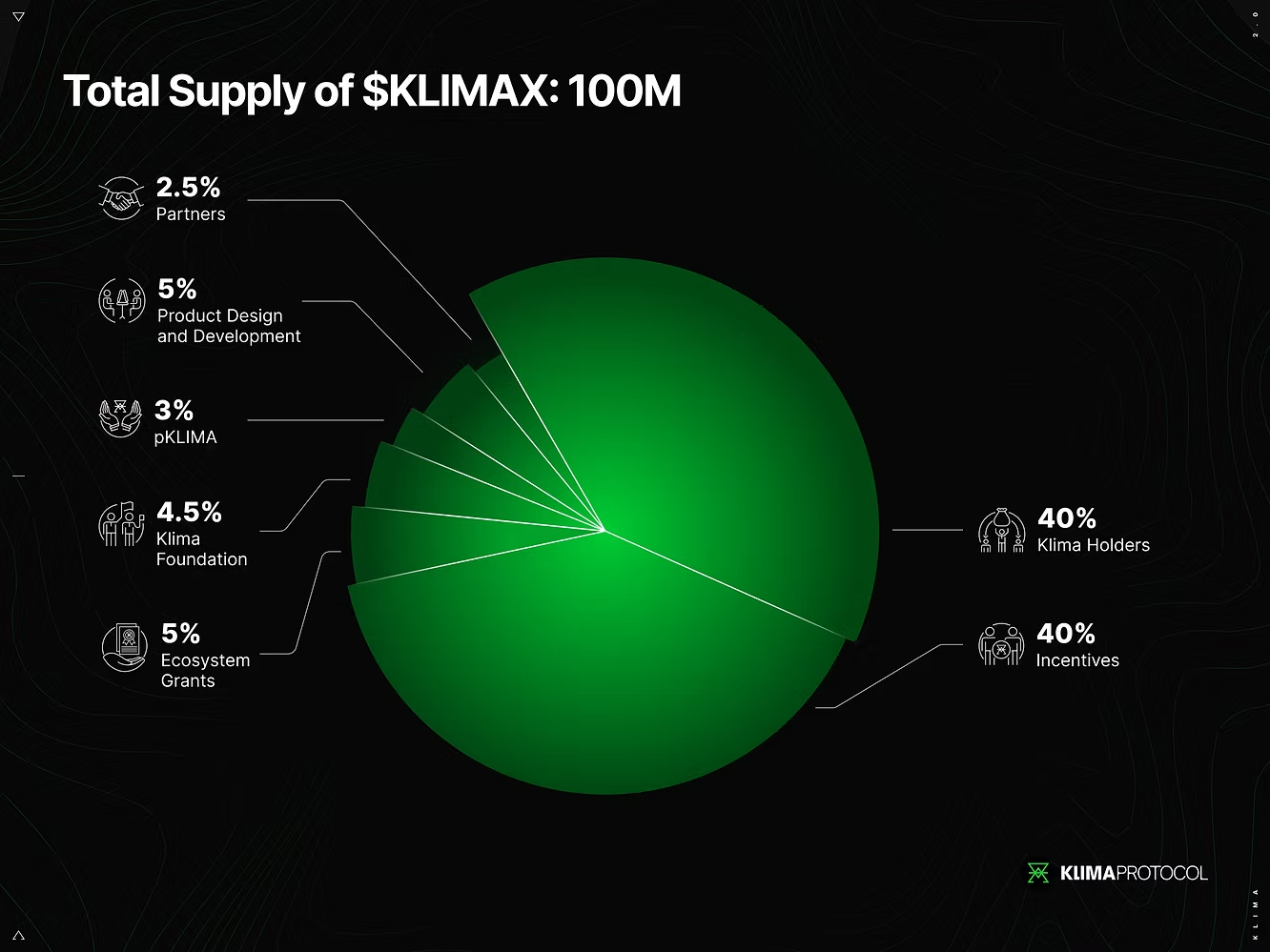
- KlimaDAO: DAO tokenizing carbon credits via KLIMA token backed by Base Carbon Tonne (BCT) units, with over $100 million locked value as of mid-2025, enhancing ESG alignment through deflationary mechanisms.
- Powerledger: Enables peer-to-peer energy trading with tokenized RECs on blockchain, supporting fractional investment in clean energy assets and automated settlements for ESG funds.

- Tokere: Specializes in tokenizing carbon offsets including CER, VER, and CDR, ensuring transparency and accountability on blockchain.

- PureWest & Proman: Mint tokenized CETs (Certified Environmental Tokens) representing verified emissions data on EarnDLT blockchain, preventing double-selling.
At the vanguard, KlimaDAO stands out with its KLIMA token backed by Base Carbon Tonne units. By mid-2025, it locked over $100 million, creating deflationary pressure through credit burns, a clever alignment with ESG mandates. Powerledger takes peer-to-peer further, letting households trade tokenized RECs directly, fractionalizing assets for retail access. Tokere, meanwhile, tokenizes offsets like CERs and CDRs, prioritizing transparency via immutable ledgers.
Real-world proof comes from PureWest and Proman's 2023 collaboration: they minted Certified Environmental Tokens on EarnDLT, verifying emissions data to prevent fraud. These aren't isolated cases; Zoniqx highlights top platforms driving a $15 billion ESG tokenization market toward exponential growth. My take? These tools excel in niche pilots, but scaling demands interoperability standards to avoid siloed ecosystems. Investors eyeing climate derivatives energy should prioritize platforms with proven throughput and oracle integrations for off-chain verification.
Core Advantages Fueling Market Momentum
Tokenization's edge lies in transparency: every transfer etches into an immutable ledger, eroding trust deficits that plague voluntary markets. Fraud drops, as double-spending becomes impossible, fostering confidence among institutions. Efficiency follows; smart contracts handle settlements in seconds, not days, trimming admin costs that once ate 20-30% of trade value.
Liquidity explodes too. Fractional tokens let a $10 investor buy into a gigawatt-scale project, democratizing access once reserved for funds. For eco-conscious institutions, on-chain proofs streamline ESG reporting, turning compliance from chore to competitive edge. Studies from Osler underscore this: barriers fall, drawing smaller players into carbon markets. Still, caution prevails, regulatory scrutiny looms. In the U. S. , if tokens mimic securities, SEC oversight applies, as with tokenized bonds. Platforms must navigate this wisely, or risk delisting cascades.
DePIN renewable trading amplifies these benefits, tying tokens to physical assets via IoT oracles for real-time proof. IBM's work on blockchain RECs exemplifies high-cost legacy fixes, while RedBlox touts green energy tokenization for wind and solar. Fundamentals trump speculation here; assess token economics, backing quality, and chain security before exposure.




No comments yet. Be the first to share your thoughts!