

Hedera Tokenized Soil Carbon Credits: On-Chain Verification for Farmers and ReFi Traders 2026

In 2026, as Hedera’s HBAR holds steady at $0.0998 with a 24-hour gain of and $0.002040 ( and 0.0208%), tokenized soil carbon credits are reshaping regenerative agriculture. Farmers across 2.5 million acres of U. S. farmland stand to gain from on-chain verification, while ReFi traders tap into verifiable assets blending climate impact with crypto liquidity. This fusion of Hedera soil carbon credits and blockchain is not just innovative; it’s a practical lifeline for sustainable farming amid volatile markets.


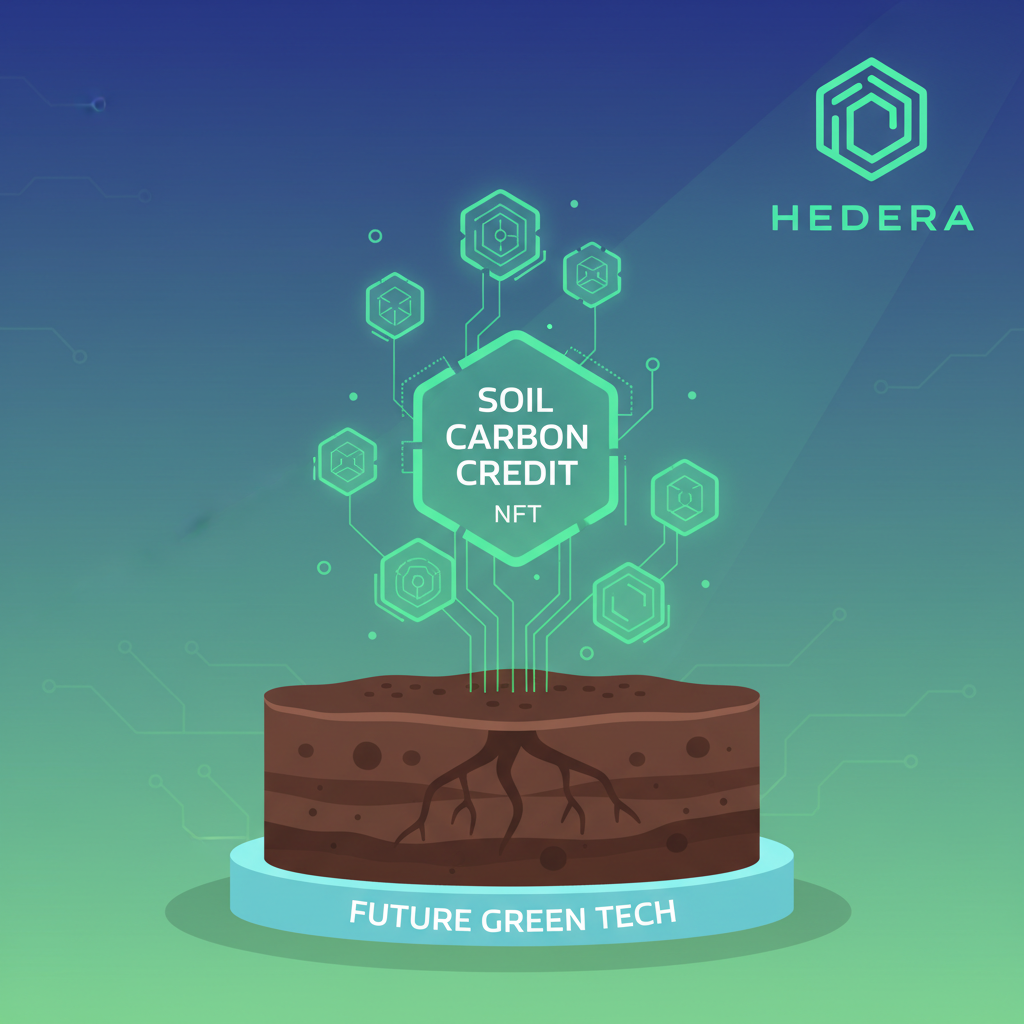
Veteran’s Carbon Holdings (VCH) and DOVU’s nine-year pact promises to tokenize $1.1 billion in soil carbon assets. VCH commits to distributing funds to farmers burying organic carbon, verified through DOVU’s Hedera-based system. Every credit becomes tamper-proof, traceable via Hedera’s Guardian framework. This setup turns soil sequestration into tradeable tokenized carbon credits on Hedera, empowering landowners with new income without middlemen.
Unlocking Farmer Revenue Through Verifiable Soil Credits
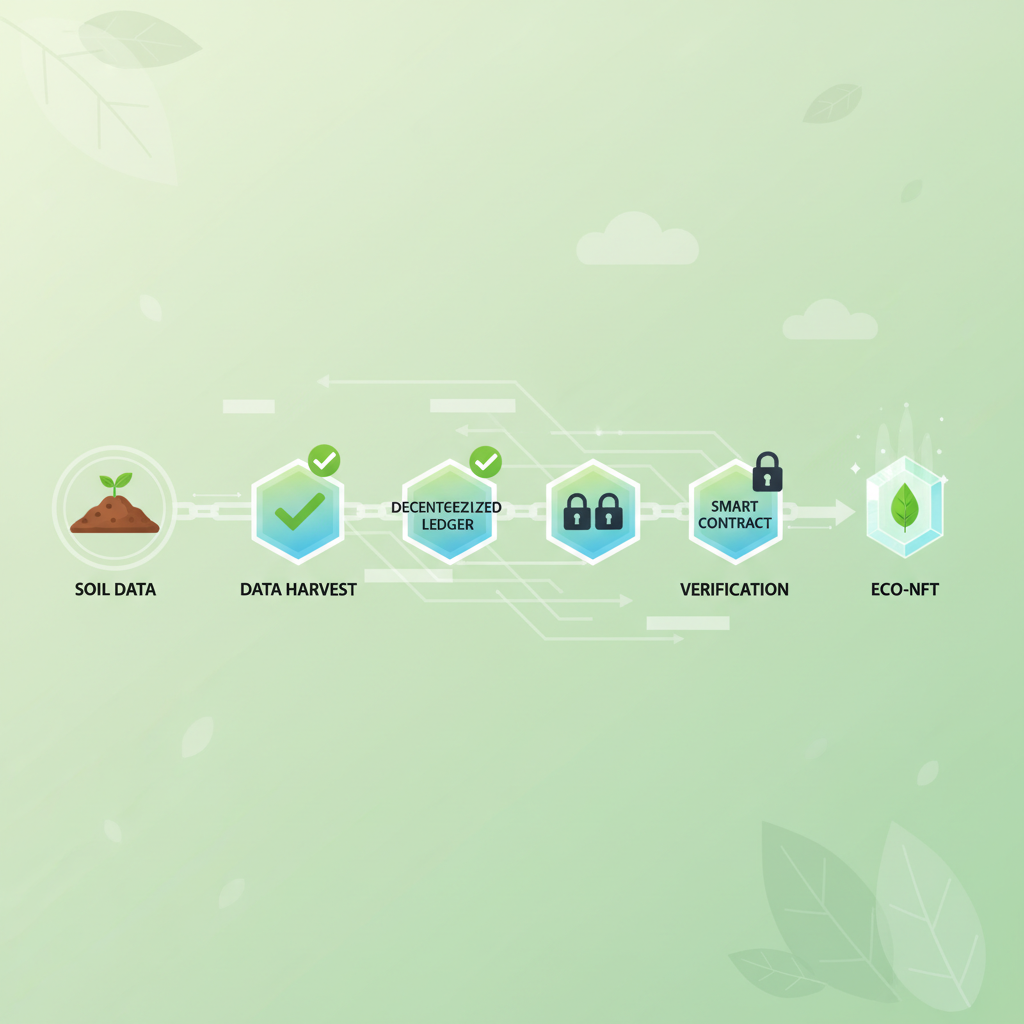
Farmers have long faced skepticism in carbon markets due to opaque verification. Hedera changes that with serialized tracking and digital audit trails. BCarbon’s migration of over 2 million credits to Hedera enhances methane abatement and soil projects alike. dNFTs from DOVU embed infinite on-chain proofs, audited reports, and data from IPFS/Filecoin storage. Imagine a farmer in Iowa uploading soil samples; within days, tokenized credits mint, ready for sale to eco-funds.
This transparency cuts fraud risks, boosts credit values, and aligns with World Economic Forum goals for scaled mitigation. VCH’s first BCarbon-verified soil credits mark the start, potentially generating billions for rural economies strained by climate shifts.
Hedera Guardian and Verra: Streamlining Carbon Methodologies
Hedera’s Guardian platform integrates with Verra’s Project Hub, digitizing over 20 methodologies by late 2025. This partnership automates workflows, from measurement to retirement, slashing verification times from months to hours. For on-chain carbon verification, it’s game-changing. Soil carbon, often undervalued due to variability, now carries premium pricing thanks to immutable ledgers.
ReFi traders benefit too. These regenerative finance tokens offer liquidity on Hedera’s carbon-negative DLT, outperforming traditional credits in speed and cost. With HBAR at $0.0998, network fees remain negligible, drawing volume from crypto natives eyeing green yields.
DOVU’s dNFT Tech Powers Transparent ReFi Trading
DOVU’s webinar spotlighted dNFTs tokenizing soil with layered proofs: satellite imagery, lab tests, all on-chain. No more PDF certificates lost in email chains. Traders access full provenance, hedging climate risks via climate derivatives blockchain primitives.
Market watchers note Hedera’s edge: low energy use suits ESG mandates, while 10,000 and TPS handles peak trading. With VCH’s $1.1 billion infusion, U. S. farmland becomes a tokenized powerhouse, verifiable at every tonne.
Soil carbon credits on Hedera aren’t just another green token; they’re a bet on resilient food systems. With HBAR trading at $0.0998, up $0.002040 or 0.0208% in the last 24 hours, the network’s stability underpins this growth. Farmers locking carbon in soil now command premiums, as buyers verify every gram without endless paperwork.
Tokenize Soil Carbon: DOVU x Hedera dNFT Guide for Farmers & Traders



Farmers Gain Edge in Volatile Ag Markets
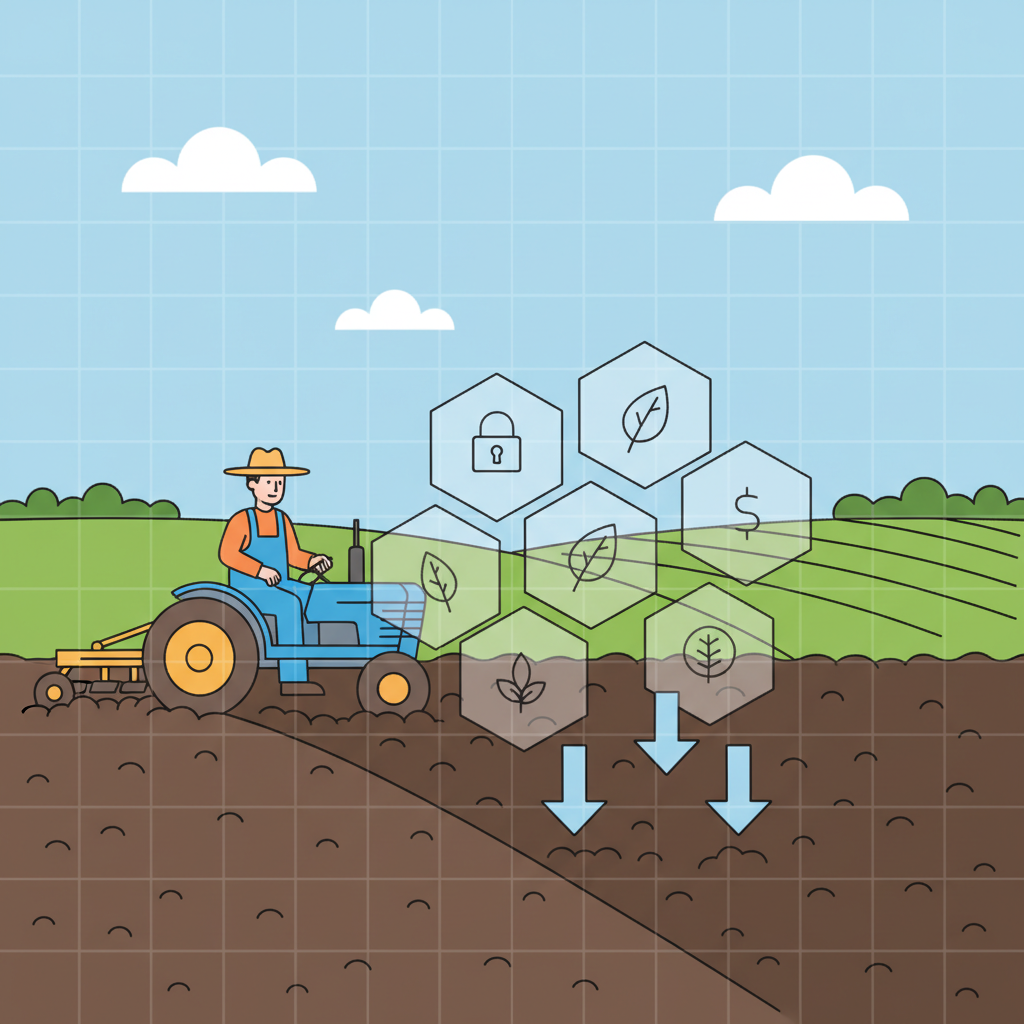
Picture a Midwest farmer staring down drought risks and subsidy cuts. Tokenized credits change the equation. VCH’s program funnels $1.1 billion over nine years directly to those enhancing soil health, verified on-chain. BCarbon’s move to Hedera, shifting 2 million credits, adds methane projects to the mix, broadening appeal. No longer sidelined, farmers trade credits alongside corn futures, diversifying income amid weather whiplash.
I see this as a quiet revolution. Traditional carbon markets drown in double-counting scandals; Hedera’s tamper-proof trails fix that. DOVU’s dNFTs layer in satellite data and lab results, inheriting proofs infinitely. A single Iowa field could yield credits worth thousands annually, minted fast and sold to institutional ReFi funds chasing yields.
ReFi Traders’ New Playground
For ReFi traders, tokenized carbon credits Hedera offers something rare: liquidity meets legitimacy. Verra’s tie-up with Hedera Guardian digitizes 20-plus methodologies, automating from soil sampling to retirement. This slashes costs, drawing crypto portfolios weary of volatile memes. At $0.0998 HBAR, transaction fees hover near zero, letting traders stack positions without friction.
Think layered strategies. Pair soil credits with HBAR staking for dual yields, or hedge via climate derivatives blockchain tools. DOVU’s IPFS-backed storage ensures data endures, even as protocols evolve. We’re witnessing regenerative finance tokens mature, where impact metrics drive alpha, not hype.

Hedera’s carbon-negative ledger aligns perfectly with ESG demands, outpacing proof-of-work rivals. As VCH rolls out across 2.5 million acres, volumes could eclipse tokenized renewables. BCarbon’s Guardian automation promises even faster scaling, turning soil into a staple asset class.
Farmers rebuild topsoil; traders capture upside. This ecosystem thrives because verification isn’t bolted on, it’s baked in. With HBAR’s 24-hour range from $0.0972 to $0.1012, the network proves resilient, mirroring the durable credits it hosts. U. S. agriculture, long a climate casualty, flips the script through blockchain precision.
Why Hedera Leads Soil Carbon Tokenization
Others talk tokenization; Hedera delivers. Guardian’s open-source workflows integrate seamlessly, unlike siloed registries. DOVU’s exclusive VCH deal spotlights this, with World Economic Forum nods for mitigation scaling. On-chain carbon verification here means real-time audits, not annual reports gathering dust.
Challenges remain, like standardizing soil protocols globally. Yet Hedera’s 10,000 TPS capacity handles surges, from harvest peaks to trader rushes. As 2026 unfolds, expect cross-chain bridges linking these credits to broader DeFi, amplifying reach. Farmers fund solar pumps; traders eye compounded returns. It’s pragmatic climate finance, grounded in verifiable earth.