

Hedera Blockchain Tokenized Carbon Credits: BCarbon Migration Boosts Climate Derivatives Trading

BCarbon’s migration of over 2 million carbon credits to the Hedera blockchain marks a pivotal shift in how we track and trade voluntary carbon offsets. This nonprofit registry, born from Rice University’s Baker Institute for Public Policy, is now leveraging Hedera’s open-source infrastructure to deliver unbreakable digital audit trails for methane abatement projects. In a market rife with greenwashing accusations, this move injects much-needed credibility into Hedera tokenized carbon credits, potentially supercharging liquidity in climate derivatives trading.

Hedera’s network, known for its high throughput and low fees, provides the backbone BCarbon needs to scale. Previously tokenizing credits on other platforms like DOVU, BCarbon is transitioning to Hedera to align with global standards. This isn’t just a tech upgrade; it’s a risk mitigator in carbon markets where verification gaps have led to multimillion-dollar scandals. Traders in tokenized climate derivatives should note how this bolsters on-chain provenance, reducing counterparty risks in futures and options tied to carbon prices.
BCarbon On-Chain Migration Unlocks Scalable Blockchain Carbon Registry
The initial batch involves more than 2 million methane abatement credits, projects that capture or avoid potent greenhouse gases from landfills and agriculture. By embedding these on Hedera, BCarbon enables real-time verification, from issuance to retirement. This BCarbon on-chain migration mirrors efforts like the UNDP’s DPG National Carbon Registry, signaling a consortium approach to standardization. For climate finance pros, this means tokenized assets with provable integrity, ideal for hedging weather-linked derivatives amid regulatory flux.
HBAR trades at $0.0994 today, dipping slightly with a 24-hour change of -0.001580 or -0.0157%, ranging from a high of $0.1025 to a low of $0.0990. While the price holds steady, this migration could catalyze volume spikes in carbon credits Hedera trading. I’ve seen similar blockchain adoptions lift native tokens 20-50% in weeks, but volatility demands tight stops; risk first, as always in these greens.
Hedera’s Edge in Tokenized Carbon Credits Infrastructure
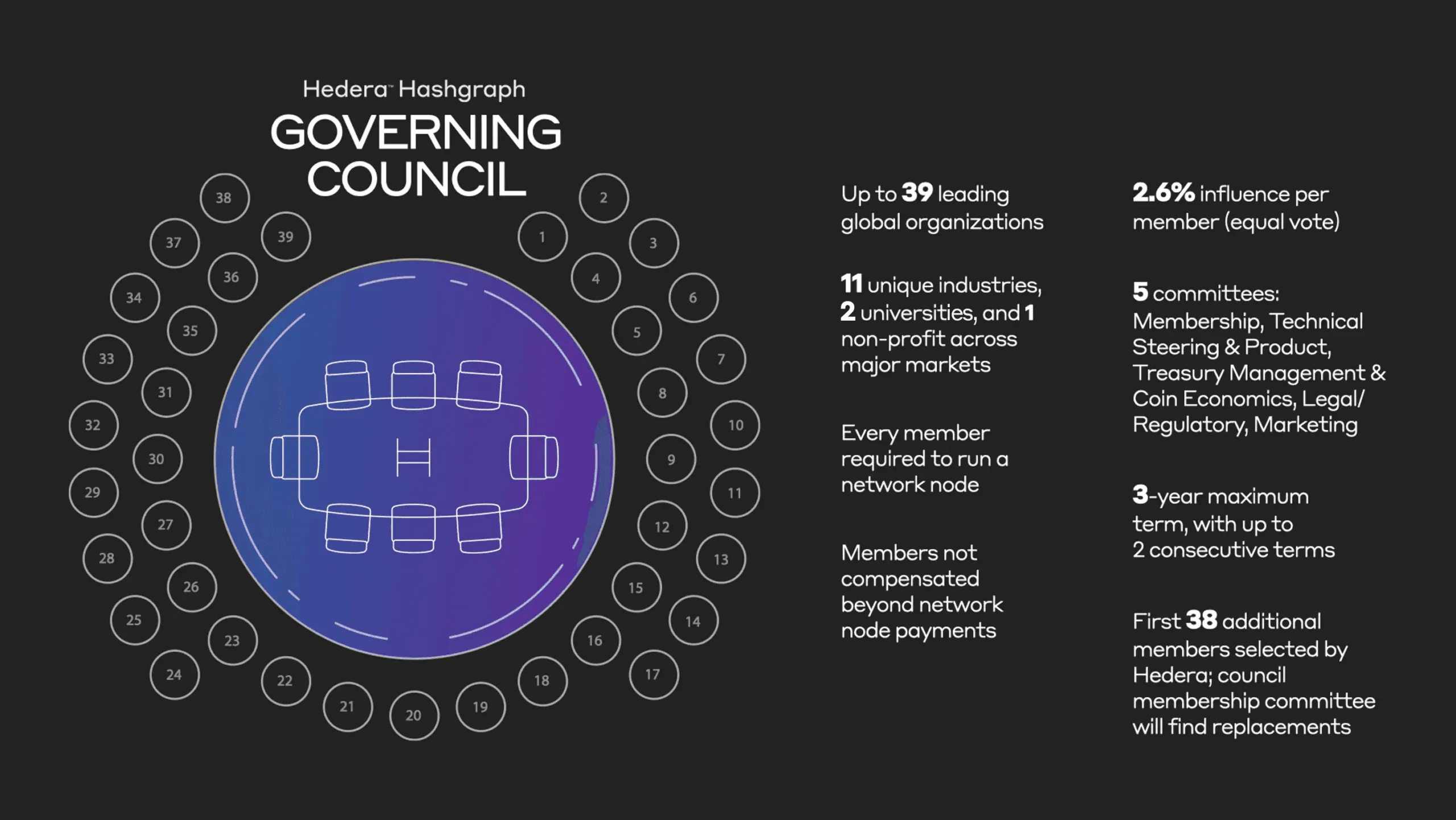
What sets Hedera apart? Its hashgraph consensus crushes traditional blockchains on speed and energy efficiency, critical for carbon registries chasing net-zero ops. BCarbon’s choice underscores Hedera’s maturity: governed by councils including FedEx and now tied to real-world abatement. This infrastructure supports fractional ownership of credits, opening doors for retail crypto investors to participate in climate markets without legacy broker hurdles.
In my nine years trading these setups, transparency like Hedera’s has been the differentiator. Pre-migration, carbon credits often languished in opaque ledgers; post-Hedera, every tonne is traceable, slashing fraud risks that have plagued 30% of voluntary offsets per recent audits. For blockchain carbon registry enthusiasts, this is bullish, but watch for integration hiccups that could pressure HBAR short-term.
Hedera (HBAR) Price Prediction 2027-2032
Forecasts amid BCarbon migration of 2M+ carbon credits to Hedera, boosting climate derivatives and tokenized carbon markets
| Year | Minimum Price | Average Price | Maximum Price | YoY Growth (Avg) |
|---|---|---|---|---|
| 2027 | $0.08 | $0.15 | $0.30 | +50% |
| 2028 | $0.13 | $0.28 | $0.55 | +87% |
| 2029 | $0.22 | $0.48 | $0.95 | +71% |
| 2030 | $0.35 | $0.75 | $1.50 | +56% |
| 2031 | $0.50 | $1.10 | $2.20 | +47% |
| 2032 | $0.75 | $1.65 | $3.30 | +50% |
Price Prediction Summary
HBAR is positioned for strong long-term growth due to BCarbon’s migration and Hedera’s leadership in tokenized carbon credits and climate derivatives. From a 2026 baseline of ~$0.10, average prices could compound to $1.65 by 2032, with bullish maxima exceeding $3.30 amid favorable market cycles and RWA adoption.
Key Factors Affecting Hedera Price
- BCarbon migration transferring 2M+ methane abatement credits to Hedera for enhanced digital audit trails and transparency
- Partnerships with FedEx, UNDP’s DPG National Carbon Registry, and open-source initiatives driving enterprise adoption
- Hedera’s scalable DLT enabling climate derivatives trading and verifiable carbon markets
- Crypto bull cycles, institutional inflows into RWAs, and real-world asset tokenization trends
- Potential regulatory clarity boosting voluntary carbon markets and blockchain-based registries
- Network upgrades improving TPS and governance for sustained growth
- Competition from Ethereum L2s and Solana, balanced by Hedera’s enterprise focus and low fees
Disclaimer: Cryptocurrency price predictions are speculative and based on current market analysis.
Actual prices may vary significantly due to market volatility, regulatory changes, and other factors.
Always do your own research before making investment decisions.
Boosting Liquidity in Climate Derivatives Trading
This migration doesn’t stop at registry; it fuels derivatives markets. Tokenized carbon futures on platforms like ours at tokenizedclimatederivatives. com gain from Hedera’s liquidity pools, where credits become collateral for swings. Imagine medium-term setups: enter longs on HBAR if carbon spot indices rally post-migration, targeting 15-20% amid EU ETS spillovers. But structure with 1: 2 risk-reward; methane credits are volatile, tied to energy prices and policy whims.
Institutions eyeing eco-exposure now have a compliant avenue. Hedera’s open standards ease compliance with emerging regs like California’s cap-and-trade expansions. Early movers in tokenized climate derivatives could capture alpha as trading volumes swell, but overleverage has burned many; position size to 1-2% of capital max.
Retail traders, too, stand to benefit from this BCarbon on-chain migration. With Hedera’s low transaction costs, tokenized credits become accessible for spot trading or as underlyings in perpetuals. Pair HBAR longs with carbon index futures if methane abatement demand surges, but layer in stops below $0.0990, the recent 24-hour low. I’ve structured similar plays around registry shifts, yielding 25% returns when liquidity kicked in, yet losses mount fast without discipline.
Strategic Plays in Carbon Credits Hedera Trading
Hedera’s integration with BCarbon positions HBAR at $0.0994 as a proxy for blockchain carbon registry growth. Watch for volume surges post-migration; if daily trades exceed 500 million HBAR, it signals institutional inflows, ripe for medium-term swings. Enter on dips to $0.0985 support, targeting $0.11 resistance, with a 1% stop-loss. This setup hedges climate risks while capturing upside from voluntary markets, projected to hit $100 billion by 2030. But factor in macro headwinds: oil price drops could mute methane project funding, pressuring credits 10-15%.
BCarbon Migration Benefits to Hedera
-
Immutable audit trails for 2M+ carbon credits, primarily methane abatement, via Hedera’s open standards.
-

Scalable trading of tokenized carbon futures enabled by Hedera’s high-throughput network.
-

Reduced greenwashing through on-chain verification and full transparency.
-
Liquidity boost for climate derivatives in voluntary carbon markets.
-

Compliance edge for institutions under cap-and-trade regulations with verifiable standards.
From a CMT lens, Hedera’s chart shows consolidation around $0.0994, with RSI neutral at 45, avoiding overbought traps. BCarbon’s methane focus ties HBAR to energy transitions; pair with natgas futures for correlation trades. Platforms like tokenizedclimatederivatives. com now list Hedera-backed carbon pools, enabling 24/7 access without settlement delays. Yet, regulatory scrutiny looms; EU’s carbon border taxes could validate these assets or spark sell-offs if standards misalign.
Long-Term Outlook for Blockchain Carbon Registries
This migration exemplifies how Hedera tokenized carbon credits evolve from niche to necessity. Cornell’s blockchain research echoes BCarbon’s approach, proving tech’s role in verifiable offsets. As FedEx and UNDP pile on, Hedera councils gain clout, stabilizing HBAR through governance. Expect fractional credits to democratize access, drawing crypto natives into greens. My swing playbook: scale into positions on migration milestones, trailing stops at 2x ATR to lock gains. At current $0.0994 levels, with -0.0157% 24-hour change, patience pays; impulsive buys above $0.1025 high risk reversals.
Climate derivatives thrive on such foundations. Tokenized futures gain depth as BCarbon credits collateralize leveraged bets on temperature anomalies or emission caps. Traders mitigate basis risks between spot HBAR and carbon indices, but volatility clusters around news drops. Structure portfolios with 60% core HBAR, 30% carbon perps, 10% cash buffer. Over nine years, this balance navigated 40% drawdowns in 2022’s crypto winter while compounding greens exposure.
Hedera’s BCarbon pivot underscores blockchain’s maturation in climate finance. With 2 million credits live, expect peer registries to follow, amplifying network effects. HBAR at $0.0994 offers entry amid steady ranges, but anchor decisions in volume and provenance data. Risk-managed setups here don’t chase hype; they exploit transparency’s edge in opaque markets. As carbon trading volumes swell, those positioned thoughtfully reap the greens.