
Structure the derivative contract
A tokenized climate derivative replaces traditional bilateral agreements with parametric smart contracts. Instead of relying on a counterparty to assess damage or verify weather data, the contract code itself holds the logic for payout triggers. This structure shifts the risk model from credit risk to execution risk, ensuring that payouts occur automatically when verified data meets the predefined conditions.
The contract defines the underlying asset (e.g., rainfall in millimeters, temperature in Celsius), the geographic location, the time period, and the trigger threshold. When an authorized oracle feeds data from a trusted source into the blockchain, the smart contract evaluates the outcome against the threshold. If the data meets or exceeds the condition, the contract instantly transfers the agreed-upon amount to the token holder. This automation eliminates the lag and ambiguity of traditional insurance claims.
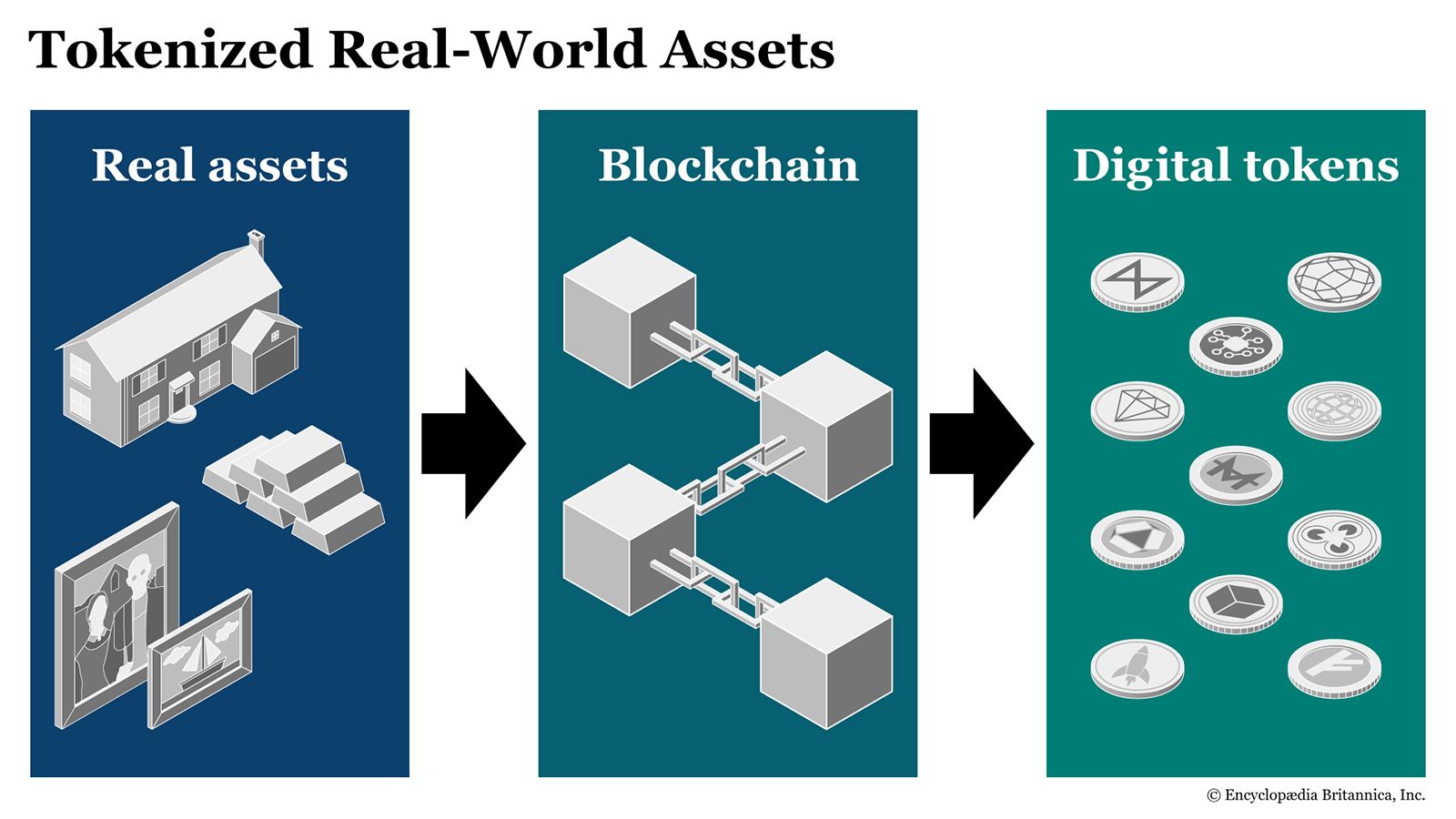
Counterparty risk is effectively removed because the funds are locked in the smart contract or backed by a stablecoin reserve, rather than held by a third-party insurer. This transparency allows smaller entities, such as individual farmers or small businesses, to access climate hedging tools that were previously restricted to large corporations with established credit lines. The smart contract acts as an impartial executor, enforcing the terms without human intervention or bias.
By tokenizing these derivatives, the market gains liquidity and accessibility. Each token represents a fraction of the derivative contract, allowing for fractional ownership and easier trading on decentralized exchanges. This structure democratizes access to climate risk management, turning complex financial instruments into programmable, transparent, and automated digital assets.
Connect real-time satellite oracles
Tokenized climate derivatives rely on data that is both accurate and tamper-proof. Traditional weather stations and ground sensors are sparse, expensive to maintain, and prone to local manipulation. To solve this oracle problem, the system connects directly to satellite imagery and AI verification layers. This ensures that the underlying metrics—such as carbon sequestration levels or severe weather events—are objective and verifiable before any smart contract triggers.
The process begins by pulling high-resolution multispectral data from orbit. Satellites scan specific geographic coordinates to measure vegetation health, soil moisture, or storm intensity. This raw data serves as the primary source of truth, capturing environmental changes in real-time without human intervention.

Raw images are processed by artificial intelligence models trained to detect specific climate indicators. The AI filters out noise, such as cloud cover or seasonal variations, and validates that the observed changes match the parametric conditions defined in the derivative contract. This step ensures the data is clean and directly relevant to the financial instrument.
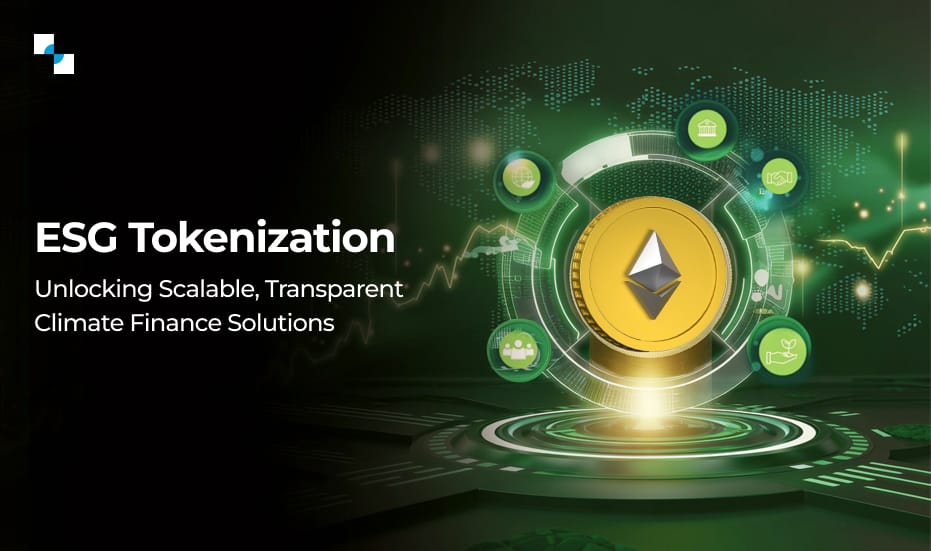
Once verified, the AI outputs a standardized data point to a decentralized oracle network. Oracles act as the bridge between off-chain reality and on-chain logic. They aggregate these satellite-derived metrics and transmit them to the blockchain, ensuring that the data cannot be altered or censored by any single party.
The smart contract monitors the oracle feed for specific threshold breaches. If the satellite-verified data meets the predefined conditions—such as rainfall dropping below a certain level—the contract automatically executes the payout. This eliminates the need for manual claims processing and ensures immediate liquidity for hedgers.
This automated workflow removes the friction from climate risk management. By relying on satellite oracles, tokenized weather derivatives offer a transparent and efficient way to hedge against environmental volatility. The integrity of the entire system depends on the accuracy of the satellite data and the reliability of the AI verification layer.
Tokenize the underlying carbon assets
To create a liquid secondary market, physical carbon credits or weather risk exposures must be converted into digital tokens. This process, known as tokenization, transforms illiquid environmental assets into standardized ERC-20 or similar tokens. These tokens represent fractional ownership or liability, allowing them to be traded on digital exchanges with the same speed and ease as traditional financial instruments.
The workflow begins with asset verification. A trusted oracle or registry confirms the existence and validity of the underlying carbon credit or weather index data. Once verified, the asset is locked in a smart contract. This contract then mints a corresponding number of tokens on the blockchain. Each token represents a specific unit of the underlying asset, such as one ton of CO2 equivalent or a specific weather threshold.
This fractionalization breaks down large, high-value assets into smaller, accessible units. Investors can now buy and sell fractions of a single carbon credit, lowering the barrier to entry. It also enables real-time settlement. Instead of waiting days for traditional clearing houses, trades settle instantly on-chain. This liquidity layer is essential for attracting institutional capital that requires flexible entry and exit points.
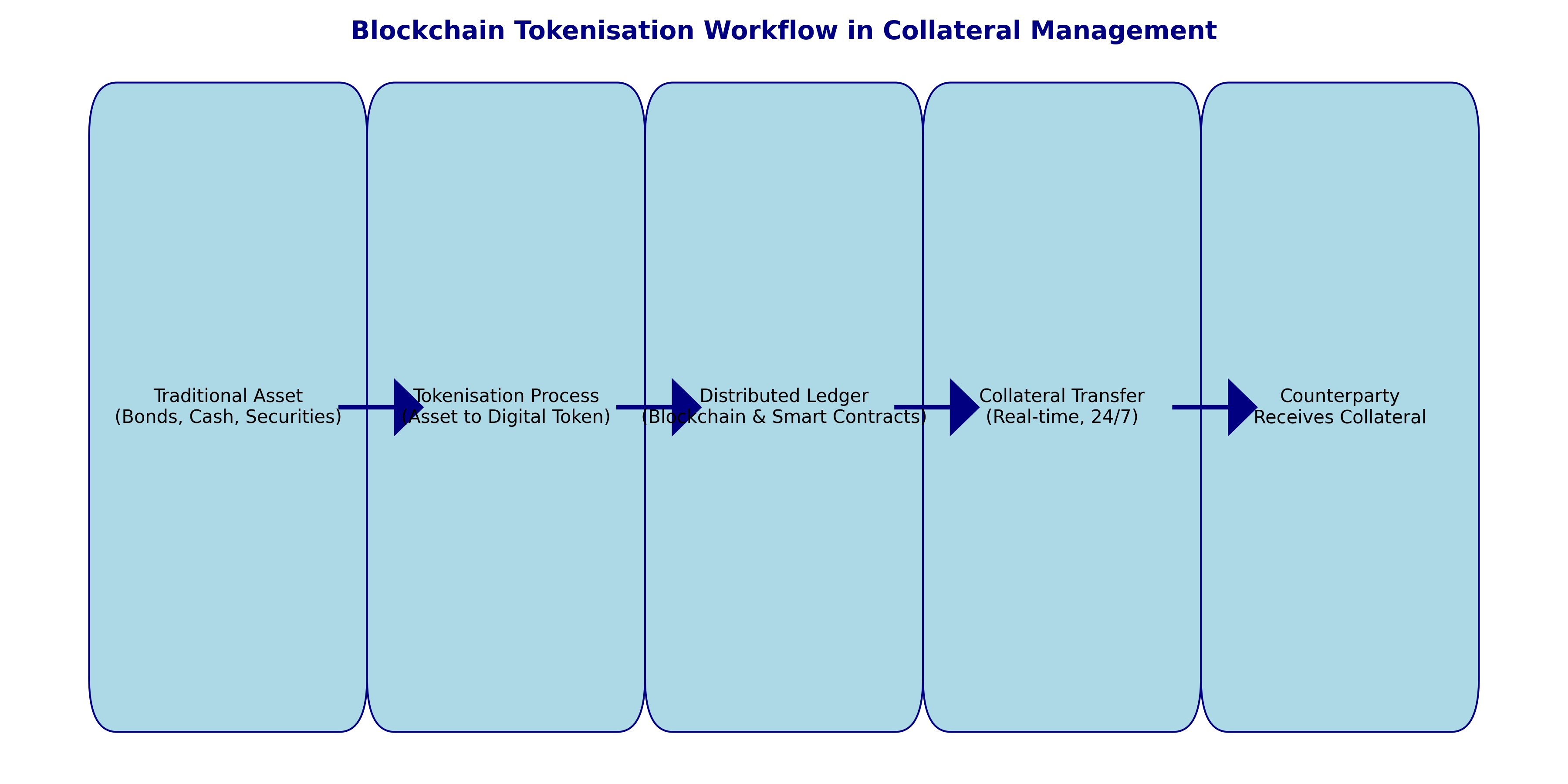
The result is a new market structure where climate assets behave like digital commodities. The tokenization of climate assets creates a transparent, auditable ledger of ownership and retirement. This transparency reduces counterparty risk and ensures that the environmental benefits are accurately tracked and attributed. By 2026, this infrastructure has shifted the conversation from experimental pilots to scalable, real-world applications of green finance.
Navigate regulatory compliance layers
Use this section to make the How Tokenized Climate Derivatives Work decision easier to compare in real life, not just on paper. Start with the reader's actual constraint, then separate must-have requirements from details that are merely nice to have. A practical choice should survive normal use, maintenance, timing, and budget. If a recommendation only works in an ideal situation, call that out plainly and give the reader a fallback path.
The simplest way to use this section is to write down the must-have criteria first, then compare each option against those criteria before weighing nice-to-have features.
Deploy and trade on-chain
Deploying tokenized climate derivatives requires coordinating smart contracts with reliable data feeds. The process moves from initial setup to active trading on secondary markets.
Common questions about climate tokens
Tokenized climate derivatives are a niche intersection of blockchain engineering and weather science. New entrants often struggle with how these contracts actually pay out, who verifies the data, and whether the current regulatory environment is safe for participation.
How are payouts triggered?
Payouts rely on parametric triggers rather than loss assessments. If satellite data shows rainfall below a specific millimeter threshold in a defined zone, the smart contract automatically executes the payment. This removes counterparty risk and delays, ensuring funds arrive when the weather event actually occurs, not after months of claims processing [src-serp-1].
Who verifies the satellite data?
The data usually comes from independent meteorological agencies or specialized oracle networks that bridge off-chain weather stations to the blockchain. These oracles verify the integrity of the feed before the contract reads it. This verification step is critical because the entire payout depends on the accuracy of that external data source [src-serp-2].
What is the current regulatory status?
Regulation remains fragmented. The CFTC and SEC have overlapping interests in these instruments, but no single unified framework exists yet. This creates a contested bucket where compliance requirements can shift depending on how the token is structured. Traders should monitor local guidelines closely before deploying capital [src-serp-3].
No comments yet. Be the first to share your thoughts!