
Define your hedging objective
Before executing a trade, you must determine exactly what risk you are trying to neutralize. Tokenized climate derivatives differ from traditional commodities because the underlying asset is often a physical phenomenon or a registry-based credit, not a fungible good stored in a warehouse.
1. Choose Settlement Mechanism
The first decision is whether you need physical delivery or cash settlement. Physical settlement requires the transfer of the actual commodity or credit, which is common in traditional futures but rare in tokenized climate products. Most tokenized weather and carbon derivatives use cash settlement, where the payout is determined by the difference between the contract price and the observed index value at expiration. This approach eliminates the logistical complexity of moving physical goods and allows for instant, on-chain settlement.
2. Identify the Underlying Variable
Next, specify the exact climate variable you wish to hedge. The market primarily trades three types of indices:
- Temperature: Measured in Heating Degree Days (HDD) or Cooling Degree Days (CDD). These are standard for energy utilities managing demand fluctuations.
- Rainfall/Precipitation: Used by agriculture and insurance sectors to hedge against drought or excessive flooding.
- Carbon Price: Linked to compliance markets or voluntary carbon credits, allowing companies to manage regulatory exposure. As noted by ISDA, companies subject to carbon compliance programs use these derivatives to meet obligations in the most cost-effective way.
3. Define the Time and Location Scope
Finally, lock in the geographic boundary and time period. A temperature contract for "London" is fundamentally different from one for "Greater London," and a "July" contract differs from a "June-August" aggregate. Precision here is critical; a mismatch between your operational risk and the derivative’s parameters will result in a hedge that fails to protect your actual exposure.
Choose the underlying climate asset
Selecting the right underlying asset is the first decision in tokenized climate derivatives trading. Your choice dictates liquidity, settlement mechanics, and regulatory exposure. You must decide between carbon credits and weather derivatives based on your specific risk profile and hedging objectives.
Carbon credit derivatives
Carbon credit derivatives track the price of verified emission reductions, such as Verified Carbon Units (VCUs) or Renewable Energy Credits (RECs). These instruments are ideal for entities needing to hedge against carbon price volatility or meet compliance obligations. The market is structured around specific project types (e.g., forestry, renewable energy), which introduces basis risk if the tokenized asset does not perfectly match your physical portfolio.
Liquidity varies significantly by region and standard. Compliance markets like the EU ETS offer deeper liquidity than voluntary markets. Settlement is often physical or cash-settled against recognized indices. Traders should verify the registry and vintage of the underlying credits, as older vintages may carry different market premiums or regulatory restrictions.
Weather derivatives
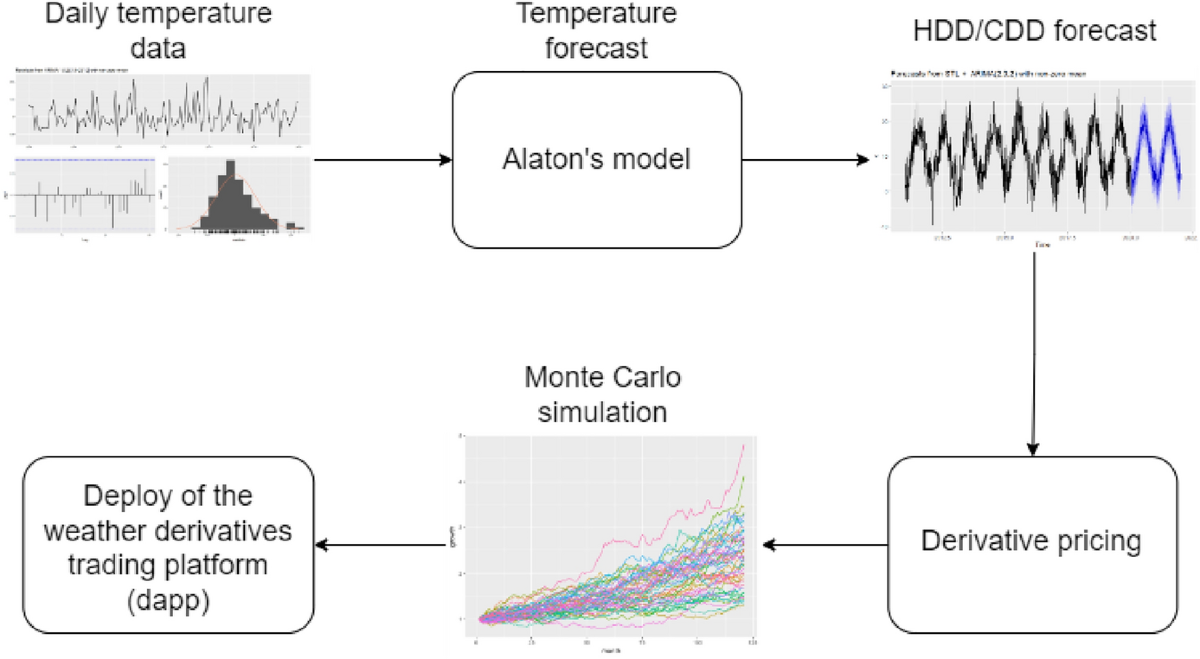
Weather derivatives hedge against physical climate risks using indices like Heating Degree Days (HDD) or Cooling Degree Days (CDD). These are financial instruments settled based on meteorological data from official stations, removing the need for physical delivery. They are particularly useful for agriculture, energy, and insurance sectors facing revenue volatility due to temperature or rainfall anomalies.
Tokenization of weather derivatives is emerging, with projects like VivoPower and KWeather building tokens for climate risk management [src-serp-2]. Research indicates that blockchain-based platforms can improve the viability of hedging electricity consumption through smart contracts [src-serp-3]. Settlement is purely financial, based on index values, which simplifies the process but requires accurate data feeds.
Comparison of options
The table below contrasts the key operational differences between carbon credit and weather derivative tokens.
| Feature | Carbon Credits | Weather Derivatives |
|---|---|---|
| Primary Risk | Carbon price volatility | Physical climate events |
| Settlement | Physical or cash | Cash (index-based) |
| Liquidity | Moderate (market-dependent) | Niche/Developing |
| Regulatory Status | High (compliance/voluntary) | Financial contract |
| Data Dependency | Registry verification | Meteorological stations |
Verify smart contract and oracle data
Before funding a position in tokenized climate derivatives, you must confirm that the smart contract logic and the data oracles feeding it are reliable. If the oracle data is corrupted or the contract contains hidden flaws, the derivative’s payout will be decoupled from the underlying climate metric, such as carbon credit retirement or temperature benchmarks. This section details the technical due diligence required to ensure the tokenized derivative's payout is tied to reliable, tamper-proof data oracles and verified registry data.
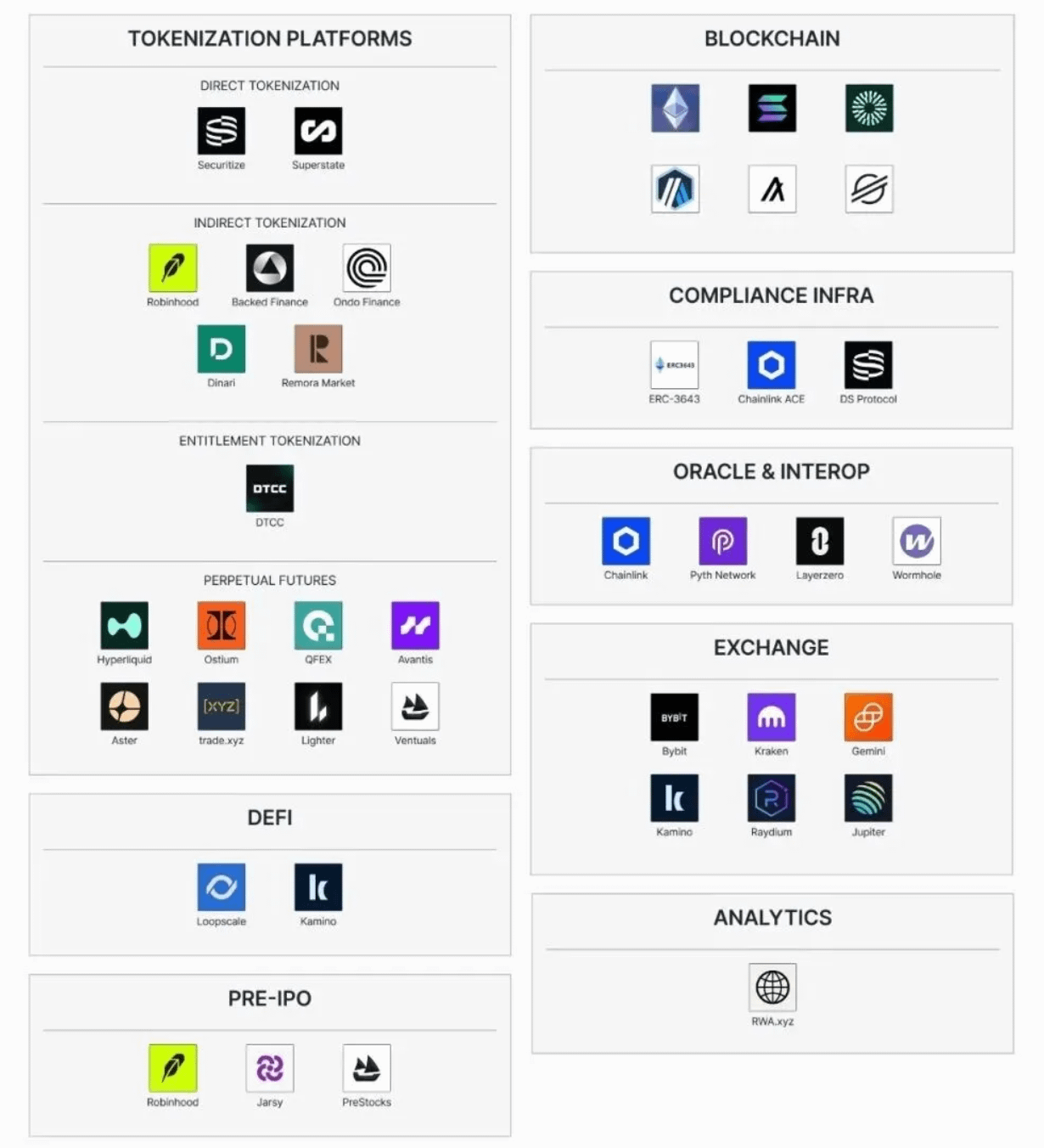
Tokenized derivatives rely on oracles to bridge off-chain climate data with on-chain execution. Verify that the protocol uses a decentralized oracle network, such as Chainlink, rather than a single centralized source. This decentralization prevents a single point of failure or manipulation. Check the oracle documentation to ensure it aggregates data from multiple independent providers and applies a medianizer to filter out outliers.
Locate the official contract address on the project’s verified GitHub repository or a reputable block explorer like Etherscan. Cross-reference this address with any announcements from the protocol’s official channels. Never trust contract addresses shared in unverified community forums or social media comments. Ensure the contract has been audited by a recognized security firm and that any identified critical vulnerabilities have been fully patched.
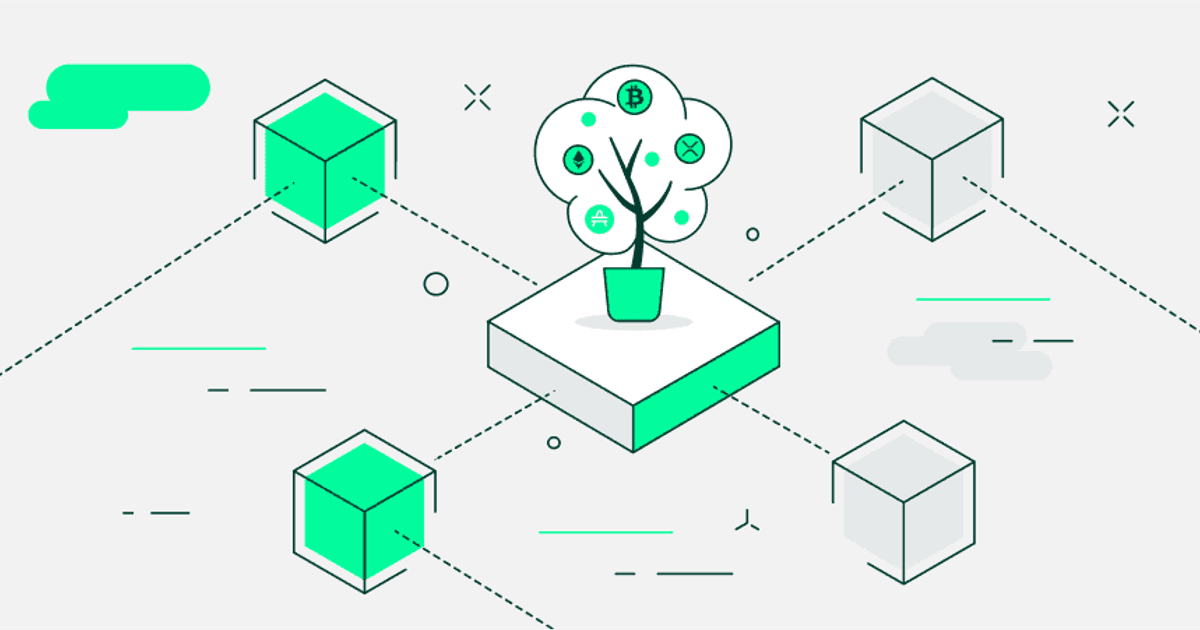
Climate derivatives are often backed by carbon credits or renewable energy certificates. Verify that the smart contract pulls data directly from a recognized carbon registry, such as Verra or Gold Standard. The oracle should be configured to fetch the latest retirement status and serial numbers of the underlying assets. This ensures that the tokenized derivative reflects the true, non-doubled existence of the climate asset.
Simulate a payout scenario using a testnet environment if available, or review the contract’s source code to understand the payout triggers. Ensure that the contract automatically executes the payout when the oracle reports that the climate threshold or carbon retirement event has occurred. Check for any manual intervention clauses that could allow the issuer to delay or alter payments.
By following this sequence, you establish a technical foundation for trading tokenized climate derivatives. This process minimizes the risk of relying on flawed data or compromised contracts, ensuring that your investment is protected by robust, transparent on-chain mechanisms.
Execute the trade on a compliant platform
Trading tokenized climate derivatives requires moving beyond standard crypto exchanges. You must use platforms that support regulated asset classes, such as tokenized carbon credits or weather derivatives. These platforms integrate traditional financial compliance layers, including KYC (Know Your Customer) and AML (Anti-Money Laundering) checks, directly into the onboarding flow.
The execution process mirrors traditional derivatives trading but settles on a blockchain. This ensures transparency while maintaining the regulatory oversight required for climate assets. Below is the step-by-step process to execute your first trade safely.
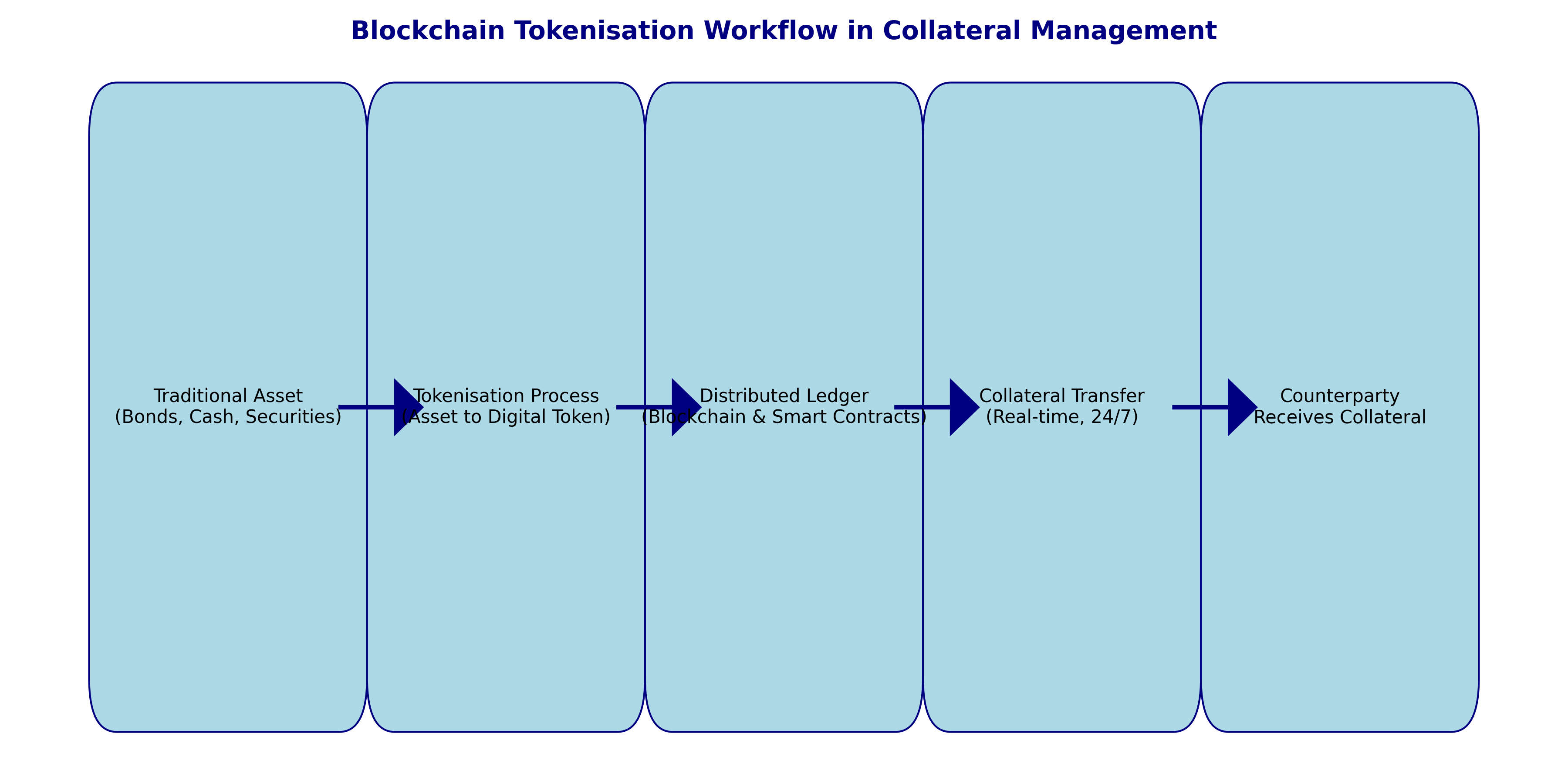
Before funding your account, complete the platform’s verification process. Regulated platforms require government-issued ID and proof of address. For climate derivatives, which often involve institutional or accredited investors, you may also need to provide financial documentation to prove eligibility. This step is mandatory to prevent money laundering and ensure market integrity.
Fund your trading account using supported methods. Most compliant platforms accept bank transfers for fiat currency or stablecoins like USDC for faster settlement. Ensure you deposit the correct currency pair for the derivative you intend to trade. Keep a small buffer for transaction fees, which vary by blockchain network.
Navigate to the derivatives section and choose your instrument. Tokenized climate derivatives include carbon offset futures, weather index options, and renewable energy certificates. Review the contract specifications, including expiration dates, underlying asset metrics, and settlement methods. Ensure the platform lists the specific asset you wish to trade, as liquidity varies significantly between different climate indices.
Enter your trade details: buy or sell, quantity, and price. You can use limit orders to set a specific entry price or market orders for immediate execution. Check the order book to assess liquidity depth before confirming. Thin liquidity can lead to significant slippage, so place orders during peak trading hours when volume is highest.
After execution, your position appears in your portfolio. Monitor the underlying asset’s performance against your entry price. At expiration, the contract settles automatically on-chain. Tokenized carbon credits are typically transferred to your wallet as NFTs or fungible tokens, while cash-settled derivatives credit your account with the profit or loss. Record these transactions for tax reporting purposes.
Tokenized climate derivatives are a new asset class. Regulations vary by jurisdiction and may change rapidly. Ensure you are trading on a platform that is compliant with your local financial authority’s rules.
Manage settlement and counterparty risk
Settlement is where the theoretical meets the actual. In tokenized climate derivatives, this means ensuring the smart contract executes correctly and the underlying asset—whether carbon credits or cash—is delivered to the right wallet. The process relies on oracles for data and registries for verification.
Monitor oracle status
Oracles feed external data (like carbon prices) to the blockchain. If an oracle fails or provides stale data, the derivative’s value becomes inaccurate, potentially triggering unfair liquidations or settlements. Before settlement day, verify that the oracle network is reporting current values and that there are no latency issues. This is the primary data layer; if it breaks, the contract cannot calculate the final payout.
Confirm registry balance
Tokenized carbon credits are often backed by physical credits held in a registry like Verra or Gold Standard. You must verify that the issuer holds the corresponding physical credits to back the tokens being settled. This prevents "double spending" or settlement of tokens that don’t exist. Check the registry’s public ledger or the platform’s proof-of-reserve dashboard to ensure the supply is fully collateralized.
Check withdrawal limits
Many platforms impose withdrawal limits or settlement windows to manage liquidity. Ensure your position is within the allowed settlement range and that you have sufficient gas or stablecoin balance to cover transaction fees. Failure to act within the settlement window may result in the position being auto-liquidated or rolled over at unfavorable rates.
Pre-settlement checklist
- Verify oracle data is current and not flagged as stale.
- Confirm the issuer’s registry balance matches token supply.
- Check platform withdrawal limits and settlement deadlines.
- Ensure wallet has sufficient funds for gas and fees.
The International Swaps and Derivatives Association (ISDA) has noted that derivatives help companies manage risk in carbon markets cost-effectively. However, this assumes the underlying digital infrastructure is robust. Always treat the smart contract as a tool, not a guarantee, and verify the off-chain assets it represents.
No comments yet. Be the first to share your thoughts!