
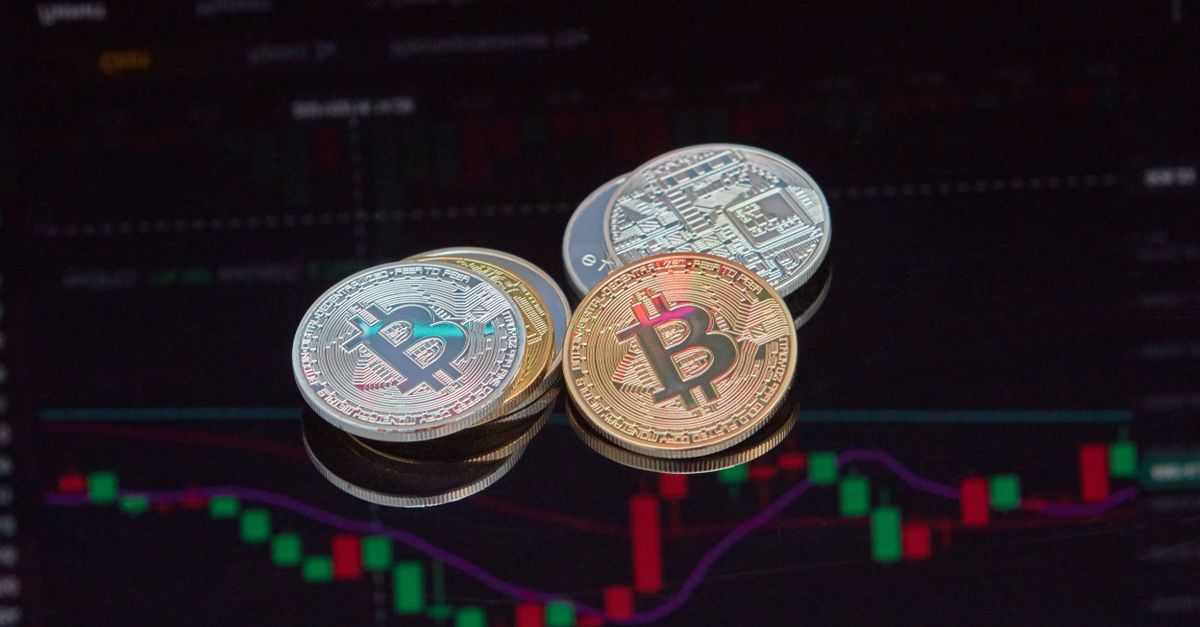
What tokenized climate derivatives actually do
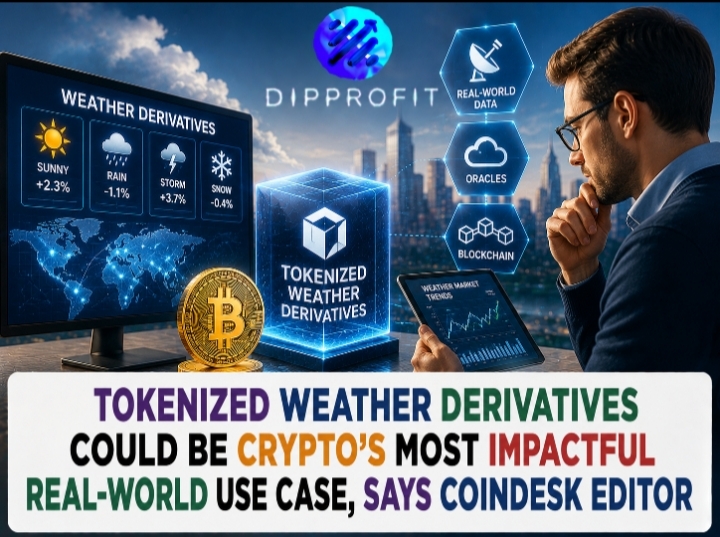
Tokenized climate derivatives are blockchain-based contracts that pay out based on specific weather or carbon metrics. They turn abstract climate risk into a liquid, tradable asset. Instead of relying on slow, paper-heavy insurance claims, these smart contracts automate payouts when predefined conditions are met.
This structure directly addresses the liquidity crunch in traditional carbon credits. Carbon markets have long suffered from fragmented data and high transaction costs. Tokenization breaks these illiquid assets into smaller, verifiable units that can be traded on public blockchains. This opens the door for smaller entities to hedge against climate volatility without navigating complex institutional frameworks.
The market is already shifting. The global weather derivatives market was valued at $4.6 billion in 2025 and is projected to reach $9.8 billion by 2034. This growth is driven by accelerating climate volatility and the widespread adoption of parametric risk transfer mechanisms. Tokenization is the technical layer that makes this scale possible.
Farmers, theme parks, and energy companies are the primary buyers. They use these instruments to hedge against poor harvests from failing rains or revenue dips from rainy weekends. By tokenizing these risks, the market moves from a niche institutional game to a broader, more accessible tool for climate resilience.
Tokenized climate derivatives choices that change the plan
Tokenized climate derivatives promise to bridge the gap between institutional risk management and retail accessibility, but the transition from paper contracts to smart contracts introduces distinct operational realities. When you evaluate these instruments, you are not just buying a hedge; you are integrating a blockchain workflow with traditional actuarial data.
The primary advantage lies in liquidity and transparency. Traditional weather derivatives are often bespoke, illiquid, and opaque. Tokenization fragments these contracts into tradeable units on public blockchains, allowing farmers, theme parks, and smaller enterprises to enter positions that were previously reserved for hedge funds. This democratization reduces counterparty risk through automated smart contract payouts, removing the need for manual verification and reducing settlement times from months to minutes.
However, this efficiency comes with significant tradeoffs. Regulatory uncertainty remains the most pressing hurdle. The CFTC and SEC have overlapping interests in how these tokens are classified, creating a contested legal bucket. Unlike traditional futures, there is no single, clear framework governing tokenized climate assets, which can complicate compliance for institutional players. Additionally, the reliance on oracles—external data feeds that trigger payouts—introduces a new layer of technical risk. If the oracle data is delayed or incorrect, the smart contract executes based on faulty premises, potentially leaving a buyer underinsured.
To evaluate these tradeoffs, you must weigh the benefits of automated execution against the risks of regulatory ambiguity and oracle dependency. The following comparison breaks down the key factors to consider when deciding whether to trade tokenized climate derivatives.
| Factor | Traditional Derivatives | Tokenized Derivatives |
|---|---|---|
| Liquidity | Low; bespoke contracts with limited buyers | High; fractionalized tokens trade on secondary markets |
| Settlement Time | Weeks to months; manual verification | Minutes to hours; automated smart contract execution |
| Counterparty Risk | High; depends on the issuer’s solvency | Low; collateralized in smart contracts |
| Regulatory Clarity | High; established CFTC/SEC frameworks | Low; contested classification and oversight |
| Accessibility | Low; high minimums, institutional focus | High; lower entry barriers for retail and SMEs |
| Data Dependency | Moderate; relies on established index providers | High; vulnerable to oracle delays or manipulation |
The market for these instruments is expanding rapidly. The global weather derivatives market was valued at $4.6 billion in 2025 and is projected to reach approximately $9.8 billion by 2034, driven by increasing climate volatility and the adoption of parametric risk transfer mechanisms. As tokenization matures, it will likely capture a significant share of this growth, provided regulatory frameworks catch up to the technology.
How to evaluate tokenized climate derivatives for liquidity
Tokenized weather derivatives are blockchain-based contracts that derive value from climate metrics like rainfall or temperature. They automate payouts via smart contracts, reducing counterparty risk and opening climate-risk management to smaller players who previously lacked access to these instruments. For carbon credit markets, this liquidity is critical. Traditional carbon credits often suffer from fragmented trading and slow settlement, but tokenization can streamline the process.
To determine if tokenized climate derivatives are right for your strategy, follow this decision framework.
Climate derivatives rely on parametric triggers. Ensure the smart contract uses a reputable oracle to feed real-world weather or carbon data. If the data source is manipulated or delayed, the contract fails. Look for oracles with transparent, audited historical data feeds.
One major advantage of tokenization is the removal of traditional intermediaries. Check if the platform uses collateralized smart contracts to guarantee payouts. This reduces the risk of default, which is common in over-the-counter climate derivative deals. A fully on-chain settlement process is preferable.
Liquidity is the main challenge for niche derivatives. Before investing, examine the trading volume on decentralized exchanges (DEXs) or specialized platforms. Thin markets can lead to significant slippage. Look for platforms with deep liquidity pools or institutional backing that ensures consistent buy and sell orders.
Climate derivatives are financial instruments. Ensure the platform complies with relevant regulations in your jurisdiction. Tokenized assets may fall under securities laws. Verify that the issuer has undergone proper audits and that the smart contract code has been reviewed by security firms.
By following these steps, you can assess the complexities of tokenized climate derivatives. This approach helps you avoid common pitfalls and leverage the liquidity benefits of blockchain technology for carbon credit trading.
Spotting Weak Tokenized Climate Derivatives
Tokenized climate derivatives promise to democratize access to weather and carbon risk, but the sector is still filtering out weak options. As the global weather derivatives market expands toward $9.8 billion by 2034, investors must distinguish between genuine liquidity solutions and speculative wrappers. The primary keyword cluster here—tokenized climate derivatives—requires scrutiny of both the underlying asset and the blockchain infrastructure.
Verify the Underlying Data Source
A tokenized derivative is only as reliable as its oracle. If the smart contract relies on unverified or delayed weather data, payouts will fail when volatility spikes. Look for protocols that integrate with official meteorological agencies or established parametric indices. Weak options often obscure their data feeds, leaving buyers exposed to manipulation or settlement errors.
Check Counterparty Risk and Liquidity
While tokenization reduces counterparty risk by automating payouts via smart contracts, it does not eliminate market risk. Many tokenized climate instruments suffer from thin order books, making it difficult to exit positions without significant slippage. Ensure the protocol has sufficient liquidity pools or institutional backing. A derivative that cannot be traded is merely a locked bet.
Assess Regulatory Compliance
Climate derivatives are financial instruments subject to evolving regulations. Weak options often operate in gray areas, lacking clear legal frameworks for dispute resolution or tax reporting. Verify that the issuer complies with relevant financial regulations in your jurisdiction. Non-compliant tokens may be delisted or frozen, rendering your hedge worthless.
Evaluate Cost Efficiency
The value of tokenization lies in reduced transaction costs and faster settlement. If the gas fees or platform charges exceed the potential hedge benefit, the product is not viable. Compare the total cost of ownership against traditional over-the-counter derivatives. Transparent fee structures are a hallmark of robust climate derivatives platforms.
Tokenized climate derivatives: what to check next
These answers address the practical objections readers face when evaluating tokenized climate derivatives and carbon credit liquidity.
No comments yet. Be the first to share your thoughts!