
What Are Tokenized Climate Derivatives?
Tokenized climate derivatives are blockchain-based financial instruments that represent exposure to climate variables, such as carbon prices or weather metrics. Unlike traditional derivatives traded on centralized exchanges, these assets exist on public ledgers, enabling transparent, programmable, and fractional ownership of climate risk. This definition is the center of gravity for the 2026 market, distinguishing these tools from simple digital carbon credits.
It is critical to distinguish tokenized climate derivatives from tokenized carbon credits. While both operate on blockchain, their purposes diverge sharply. Tokenized carbon credits represent a specific amount of CO₂e removed or avoided, primarily used for offsetting emissions and retirement. In contrast, weather derivatives and carbon price derivatives are hedging instruments designed to manage financial risk from volatility in temperature, precipitation, or carbon markets. One buys protection; the other buys compliance or offset.
In 2026, the scope of this asset class has expanded beyond niche agricultural hedging. Weather derivatives, once the domain of large insurers and farmers, now include tokenized versions accessible to smaller entities and institutional investors alike. Similarly, carbon price derivatives allow traders to speculate on or hedge against future carbon credit prices without holding the underlying physical or digital credits. This distinction defines the landscape: one side manages physical or compliance risk, the other manages price risk.
Tokenize carbon credits on chain
Converting traditional carbon credits into blockchain-based tokens bridges the gap between physical climate projects and digital finance. This process transforms static registry entries into liquid, programmable assets, reducing administrative friction and enabling real-time verification. The workflow relies on a strict chain of custody between off-chain registries and on-chain smart contracts.
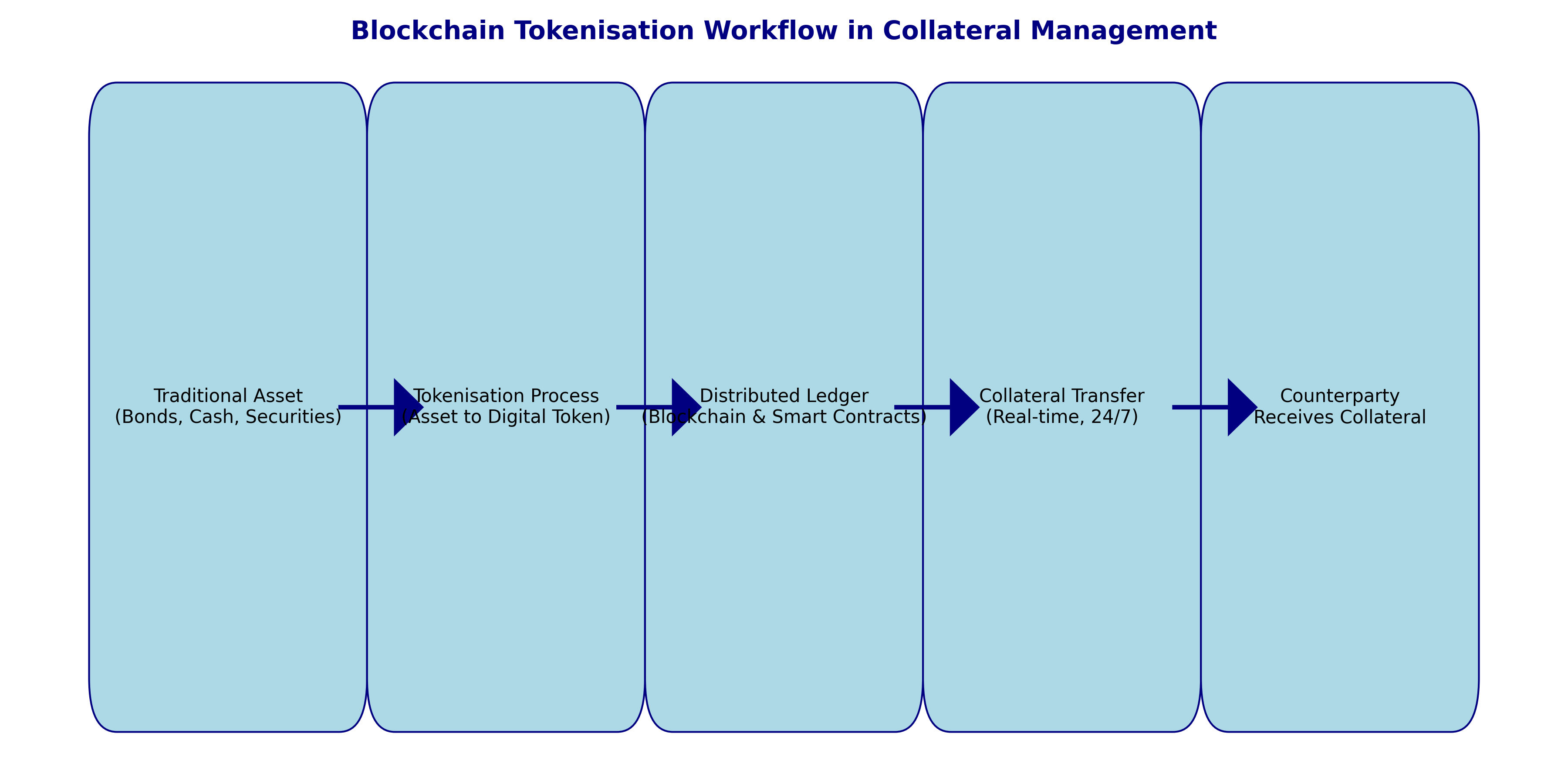
The process begins with a recognized registry such as Verra or Gold Standard. Before any digital representation can be created, the underlying carbon credit must be verified and issued in the traditional registry. This ensures the asset has a tangible basis in verified emissions reductions or removals.
To prevent double-counting, the original credit is either locked in a registry-specific smart contract or burned entirely. This step is critical for integrity. By removing the original from active circulation, the system guarantees that the on-chain token is the sole representation of that specific ton of CO₂e.
Once the off-chain asset is secured, a corresponding token is minted on a blockchain. Each token typically represents one metric ton of CO₂ equivalent. These tokens are often issued as standard assets like ERC-20 tokens, allowing them to be easily traded, held, or integrated into existing decentralized finance (DeFi) protocols.

Oracles act as the bridge between the traditional registry and the blockchain. They continuously monitor the status of the underlying credit, syncing data such as retirement status or vintages. This ensures that if a credit is retired or disputed in the registry, the on-chain token reflects that change immediately, maintaining trust.

The final step is utility. Tokenized credits can be traded on secondary markets for liquidity or retired to claim a carbon offset. Retirement is recorded on-chain, providing an immutable, transparent audit trail that proves the credit has been used and cannot be resold or double-counted by another entity.
This tokenization workflow reduces the time and cost associated with traditional carbon markets. By leveraging blockchain technology, stakeholders gain access to a more transparent and efficient market for climate assets. For more on the regulatory landscape, see the Osler report on tokenized carbon credits.
Structure weather risk derivatives
Tokenized climate derivatives convert raw meteorological data into financial payouts. Unlike traditional insurance, which relies on subjective loss assessment, these instruments use objective indices such as rainfall depth or temperature averages. When a specific weather threshold is breached, the smart contract automatically calculates and executes the payout, removing the need for claims adjusters.
The process begins by defining the underlying weather variable. A farmer might hedge against a dry growing season by linking a token to local rainfall data, while a utility company might hedge against a mild winter by tracking heating degree days. This data is sourced from trusted meteorological agencies and fed into the blockchain via decentralized oracles.
Once the contract terms are set—such as a strike price of $50 per millimeter of rain below 100mm—the system waits for the period to close. If the oracle confirms the actual rainfall was 80mm, the contract triggers a payout of $1,000 to the holder. This mechanism allows businesses to hedge against higher-probability climate variations that traditional insurance often excludes.
This structure democratizes access to climate risk management. By removing the friction of manual claims, tokenized derivatives make it feasible for smaller entities to protect against weather volatility. As noted in recent industry developments, partnerships between energy firms and data providers are expanding these instruments beyond traditional agricultural sectors.
Navigate CFTC and regulatory pilots
Tokenized climate derivatives operate within a shifting regulatory framework that is currently defined by experimental pilots rather than permanent statute. In 2026, the Commodity Futures Trading Commission (CFTC) has taken the lead in establishing the ground rules for how digital assets interact with traditional derivatives markets. The agency’s primary focus is on ensuring that tokenized collateral meets the same legal and financial standards as conventional margin.
The CFTC pilot program allows specific digital assets, including Bitcoin, Ethereum, and USDC, to be used as margin for derivatives contracts. This initiative is not merely a technical test; it is a legal framework update designed to support tokenized assets within the existing commodity trading infrastructure. By permitting these assets as collateral, the CFTC is effectively bridging the gap between blockchain technology and regulated financial markets.
Navigating this landscape requires understanding the legal nuances of token ownership and custody. The International Swaps and Derivatives Association (ISDA) has been instrumental in clarifying these complexities through initiatives like the "Clarity on Chain" webinar. These discussions focus on how legal titles to tokenized assets are recognized and enforced, providing the necessary legal certainty for institutional participants.
For market participants, the path forward involves adhering to the specific requirements of the CFTC pilot. This includes rigorous custody solutions and transparent reporting mechanisms. As the regulatory environment evolves, staying aligned with these official guidelines is essential for any entity looking to trade tokenized climate derivatives in 2026.
Access tokenized climate assets
Buying or hedging with tokenized climate derivatives requires navigating a mix of specialized platforms and traditional gateways. Unlike spot crypto markets, these instruments are often restricted to accredited investors or institutional counterparties due to regulatory frameworks surrounding derivatives and carbon assets.
Choose the right platform type
Access points vary based on whether you are seeking exchange-traded products (ETPs) or over-the-counter (OTC) agreements. Tokenized collateral can reduce settlement risk and improve capital efficiency, making it increasingly viable for both ETD and OTC markets [src-serp-7]. For smaller positions, look for regulated crypto exchanges that list climate-linked tokens. For larger institutional hedging needs, dedicated OTC desks or private tokenization platforms offer more tailored contracts.
Verify regulatory compliance
Before funding an account, confirm that the platform operates within your jurisdiction’s securities and commodities laws. Tokenization offers a direct way to integrate environmental performance tracking, but this utility is only accessible if the underlying legal structure is sound [src-serp-8]. Ensure the platform provides clear KYC/AML procedures and transparent reporting on the climate metrics backing the derivative.
Check liquidity and settlement terms
Climate derivatives can suffer from lower liquidity compared to standard financial assets. Review the platform’s order book depth or dealer quotes to ensure you can enter and exit positions without excessive slippage. Additionally, understand the settlement mechanism: is it cash-settled based on weather indices, or physical delivery of carbon credits?
-
Confirm platform registration with relevant financial authorities (e.g., SEC, FCA, ASIC).
-
Verify that the underlying climate data source (e.g., NOAA, Verra) is reputable and immutable.
-
Check minimum investment thresholds and fee structures for trading and custody.
-
Assess the liquidity provider network to estimate execution costs for your trade size.
Climate blockchain initiatives FAQ
These questions address common points of confusion around tokenized climate derivatives and the broader blockchain ecosystem supporting them.
No comments yet. Be the first to share your thoughts!