
What are tokenized climate derivatives
Tokenized climate derivatives are financial instruments built on blockchain technology that allow traders to hedge against climate-related risks or trade carbon assets. This emerging asset class splits into two distinct categories: tokenized carbon credits and weather derivatives. Understanding the difference between offsetting emissions and hedging weather volatility is the first step in trading these instruments.
Tokenized carbon credits
Tokenized carbon credits are blockchain-based assets that represent a specific amount of carbon dioxide equivalent (CO2e) removed or avoided. Unlike speculative crypto assets, these tokens are "digital twins" backed 1:1 by verified offsets held in traditional registries like Verra or Gold Standard [Chainlink]. This structure aims to create a more efficient and transparent system for trading carbon credits, reducing the friction and opacity often found in traditional over-the-counter carbon markets [Osler].
Weather derivatives
Weather derivatives function differently from traditional insurance. While insurance covers low-probability, catastrophic events like hurricanes, derivatives cover higher-probability events, such as a dryer-than-expected summer or temperature variabilities during a growing season [Climate Adapt EEA]. These contracts allow farmers, energy producers, and other climate-sensitive businesses to hedge against financial losses caused by shifting weather patterns. Recent initiatives, such as the partnership between VivoPower and KWeather, are building weather derivative tokens to make this risk management tool more accessible [Artemis BM].
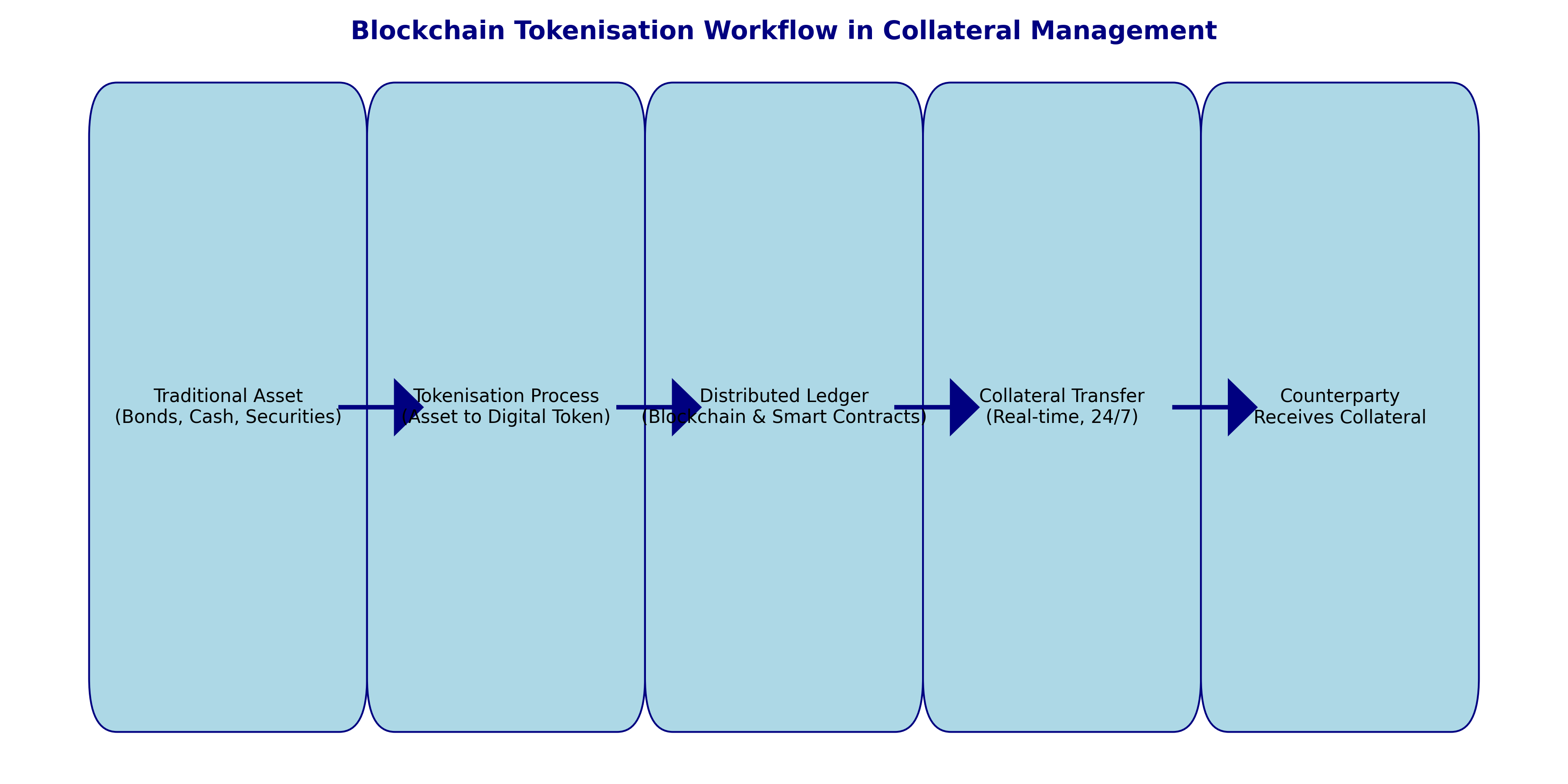
Step 1: Verify the underlying asset source
Before you execute a trade, you must confirm that the tokenized climate derivative is backed by a legitimate, verified underlying asset. Tokenized carbon credits and weather derivatives are "digital twins" of real-world environmental data or offsets. If the source registry is not recognized, the token has no intrinsic value.
This step prevents exposure to speculative assets that lack regulatory backing or physical verification. You are essentially auditing the bridge between the blockchain and the physical world.
Start by checking the project documentation to see which registry issues the underlying asset. For carbon credits, look for major standards like Verra or Gold Standard. For weather derivatives, identify the data provider, such as a recognized meteorological agency or a trusted oracle network like Chainlink. If the project does not name a specific, reputable source, proceed with extreme caution.
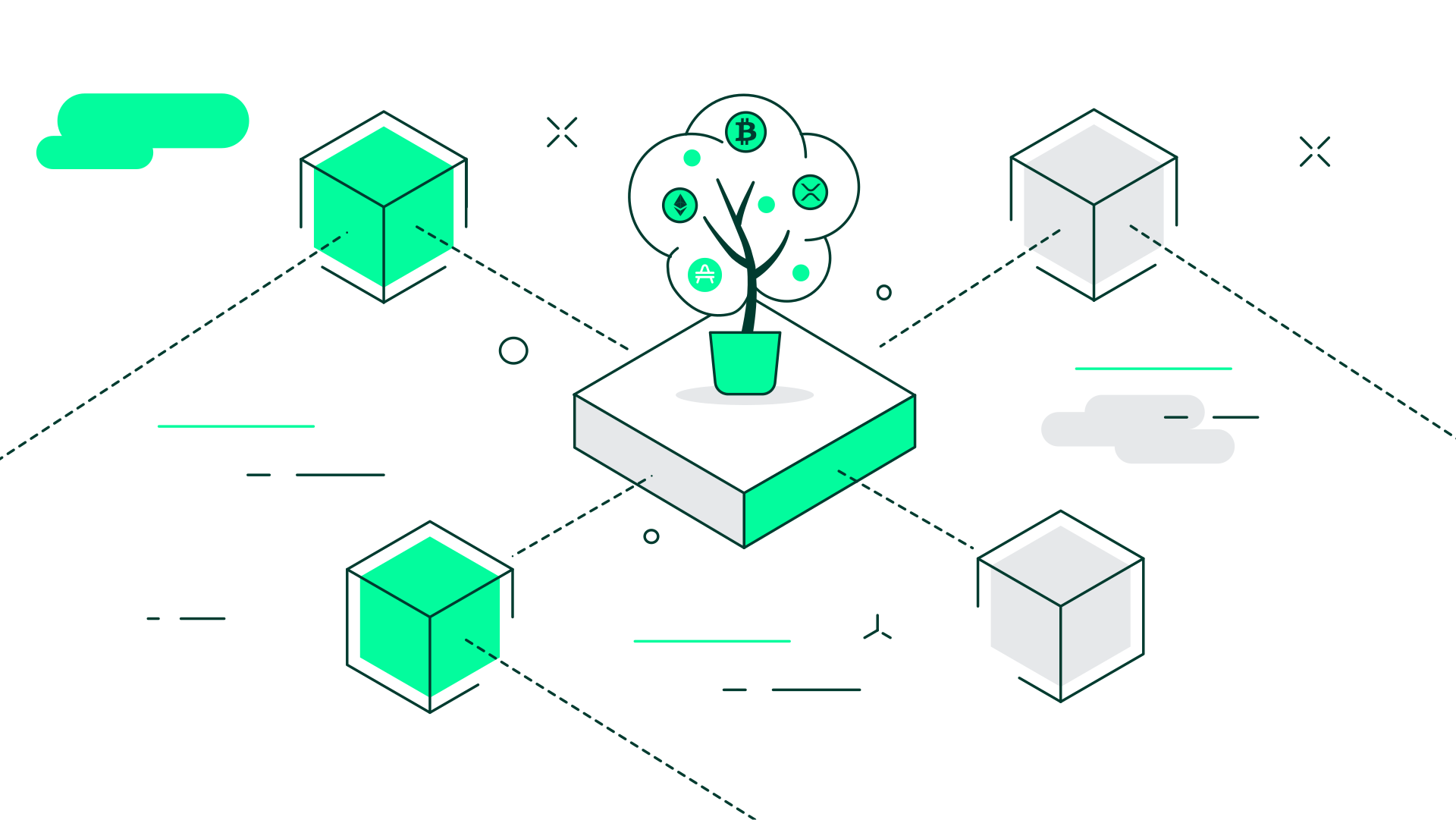
Verify that the token is fully collateralized. A valid tokenized carbon credit must represent a specific amount of CO2e removed or avoided, held 1:1 in the traditional registry. Check if the registry allows for tokenization and if the specific credits are "retired" or locked in a smart contract to prevent double-counting. The Global Digital Finance report notes that tokenization provides a market-based mechanism to finance emission reductions, but only if the underlying asset is secure.
Look for independent verification of the tokenization process. Reputable projects undergo regular audits to ensure that the on-chain supply matches the off-chain registry records. This step is critical for high-stakes trading, as it confirms that the digital twin accurately reflects the physical asset. Without this audit trail, you cannot be sure the derivative is not a purely speculative instrument with no real-world link.
Step 2: Choose a compliant trading platform
Selecting a venue for tokenized climate derivatives requires verifying regulatory alignment before executing trades. Unlike spot crypto markets, derivatives involving carbon credits or weather data often touch on CFTC jurisdiction. A compliant platform provides the legal clarity needed to hold positions without unexpected asset freezes.
The CFTC’s recent pilot program testing tokenized collateral for derivatives (Bitcoin, Ethereum, USDC) signals a shift toward regulated on-chain trading. Platforms participating in or aligned with these pilots offer a safer environment for climate assets. ISDA’s recent webinars have further clarified the legal framework for tokenized collateral, helping traders understand their obligations.
When evaluating platforms, prioritize those that explicitly support tokenized climate assets and maintain clear custody solutions. Look for platforms that integrate with traditional registries for carbon credits. Liquidity is secondary to compliance in this niche; a platform with poor liquidity but clear legal standing is preferable to a high-volume venue with ambiguous oversight.
| Platform | Regulation | Asset Types | Custody |
|---|---|---|---|
| Platform A | CFTC Pilot | Carbon Credits, Weather | Institutional |
| Platform B | SEC/State | Carbon Credits | Cold Storage |
| Platform C | Unregulated | Weather, Carbon | Hot Wallet |
Step 3: Execute the trade and manage settlement
Once you have selected the appropriate tokenized climate derivative, the execution phase bridges your digital wallet with the exchange or decentralized protocol. Unlike traditional equity trades that settle days later, tokenized derivatives leverage blockchain infrastructure to compress timelines, though margin requirements still apply to mitigate counterparty risk.
1. Connect wallet and verify margin
Before placing an order, ensure your wallet holds sufficient collateral. In many tokenized derivative markets, you can use crypto assets like USDC or ETH as collateral instead of fiat currency. This tokenized collateral approach improves capital efficiency by reducing the friction of moving funds between traditional banks and crypto exchanges [[src-serp-7]]. Check the protocol’s specific margin ratio requirements; under-collateralized positions may trigger immediate liquidation.
2. Place the order
Navigate to the trade interface and select the specific climate asset, such as a weather index or carbon credit token. Enter your position size and order type (market or limit). The interface should display real-time pricing based on the underlying oracle data. Confirm the transaction details, including any gas fees, and sign the transaction with your wallet to broadcast it to the network.
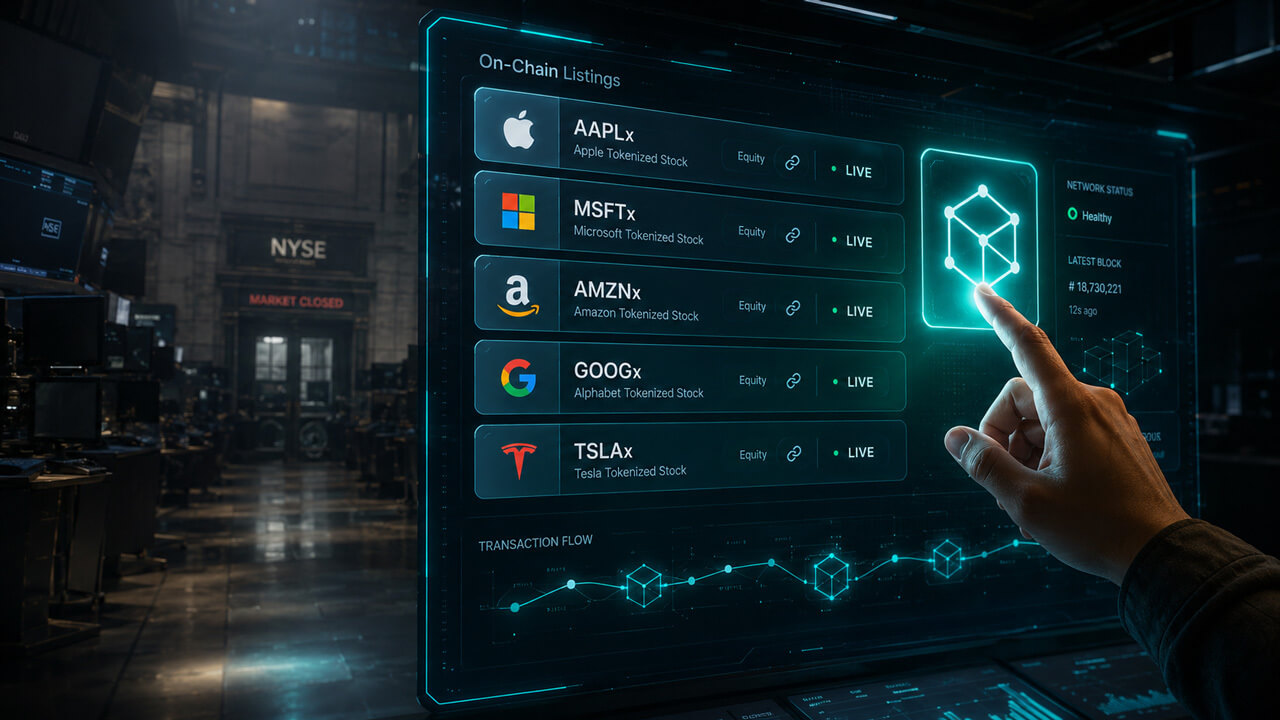
Review the gas fees and slippage tolerance settings before confirming the trade. High network congestion can delay settlement, so consider using a Layer 2 solution if the protocol supports it to reduce costs and increase speed.
Track the transaction hash on a block explorer. Unlike centralized exchanges that provide internal order books, tokenized derivatives rely on public ledger confirmations. Wait for the required number of block confirmations before assuming the position is active.
The smart contract automatically manages the position. For weather derivatives, this means the oracle will eventually feed real-world data (like temperature or rainfall) into the contract to calculate the payout. You do not need to manually claim profits; the contract distributes tokens to your wallet upon settlement.
Automated settlement via smart contracts
The core advantage of tokenized climate derivatives is the removal of manual settlement. Once the derivative’s conditions are met—such as a specific rainfall threshold being breached—the smart contract executes the payout automatically. This process relies on trusted oracles to provide accurate, tamper-proof data from the real world, ensuring that the digital token’s value aligns with the actual climate event. This automation reduces settlement risk, a major inefficiency in traditional over-the-counter derivatives markets [[src-serp-7]].
Note: Always verify the oracle provider used by the protocol. The integrity of the settlement depends entirely on the accuracy and reliability of the data feed. If the oracle is compromised or delayed, the contract may settle incorrectly.
Avoid common tokenized climate market pitfalls
Tokenized climate derivatives promise transparency, but the technology introduces specific risks that traditional traders rarely face. Double-counting remains the most persistent threat to integrity. Without strict registry integration, a single carbon credit or weather risk metric can be issued as multiple tokens, diluting value and breaking the 1:1 backing required for legitimate offsets. Oracle manipulation is another critical vulnerability; if the data feeds for temperature or emissions are compromised, the smart contract executes based on false premises, leading to incorrect payouts.
Regulatory uncertainty adds friction to every transaction. While platforms like Amberdata provide infrastructure, the legal status of these tokens varies significantly across jurisdictions. A derivative considered a compliant insurance product in one region may be classified as an unregistered security in another. Traders must verify that the underlying asset is recognized in their local market to avoid frozen funds or legal penalties.
To mitigate these risks, adopt a rigorous pre-trade verification process. Do not rely on the platform’s marketing materials; audit the smart contract’s source code and the oracle provider’s reputation. Ensure the token is backed by verified offsets in reputable registries, and confirm that the registry has implemented mutual exclusion protocols to prevent double-spending.
-
Verify smart contract audit status
-
Confirm oracle data source reliability
-
Check registry exclusion protocols
-
Validate local regulatory compliance
Treat tokenized climate assets with the same caution as high-yield fixed-income products. The technology is still maturing, and the cost of error is high. Focus on platforms that prioritize registry integration over speculative trading features.
Frequently asked questions about tokenized derivatives
What is tokenization of derivatives?
Tokenized derivatives are financial agreements represented as smart contracts on a blockchain. Like traditional derivatives, their value is linked to the performance of an underlying asset, such as Bitcoin, gold, the S&P 500, or even weather patterns (Chainlink).
Who buys weather derivatives?
Farmers can use weather derivatives to hedge against poor harvests caused by failing rains during the growing period, excessive rain during harvesting, high winds in case of plantations or temperature variabilities in case of greenhouse crops. Theme parks may also want to insure against rainy weekends during peak summer.
Can carbon credits be tokenized?
Yes. Tokenized carbon credits are blockchain-based assets that represent a specific amount of carbon dioxide equivalent (CO2e) removed or avoided. Unlike speculative crypto assets, these tokens are "digital twins" backed 1:1 by verified offsets held in traditional registries like Verra or Gold Standard (Chainlink).
What is a derivative climate?
Weather derivatives are similar to insurance, but they function differently. Insurance covers low-probability, catastrophic weather events such as hurricanes, earthquakes, and tornadoes. In contrast, derivatives cover higher-probability events such as a dryer-than-expected summer (Climate Adapt).
No comments yet. Be the first to share your thoughts!