
Define your climate risk exposure
Before buying tokenized climate derivatives, determine whether you are hedging against physical weather events or managing regulatory carbon liabilities. These are distinct financial instruments with different risk profiles, settlement mechanisms, and market participants. Confusing the two can lead to significant capital allocation errors.
Weather derivatives for operational hedging
Weather derivatives function similarly to insurance but are traded as financial contracts. They protect businesses from revenue volatility caused by adverse weather conditions, such as droughts, hurricanes, or unseasonably warm winters. If a specific weather index (like heating degree days) falls below an agreed threshold, the contract pays out to offset lost revenue.
These instruments are primarily used by energy companies, agriculture firms, and retail chains. For example, a utility company might use a temperature-based swap to hedge against a mild winter that reduces heating demand. The payout is determined by objective data, eliminating the need for traditional insurance claims assessments. Munich Re remains a market leader in offering these structured risk management solutions, leveraging decades of meteorological and trading expertise Munich Re.
Tokenized carbon credits for compliance and ESG
Tokenized carbon credits are blockchain-based assets that represent a specific amount of carbon dioxide equivalent (CO2e) removed or avoided. Unlike speculative crypto assets, these tokens are "digital twins" backed 1:1 by verified offsets held in traditional registries like Verra or Gold Standard Chainlink.
They serve two main purposes: compliance with government-mandated carbon caps, and voluntary ESG reporting. Companies use them to meet net-zero commitments or satisfy regulatory requirements. The tokenization process increases transparency and liquidity, allowing for fractional ownership and faster settlement compared to traditional offset markets. Platforms like Carbon Trade eXchange (CTX) facilitate spot trading for these digital assets, providing a more efficient marketplace for voluntary carbon credits CTX.
Matching exposure to instrument
Your choice depends on the nature of your risk. If your primary concern is physical disruption to operations (e.g., a factory shutdown due to flooding), weather derivatives are appropriate. If your concern is regulatory compliance or reputational ESG goals, tokenized carbon credits are the correct tool. Many large corporations use a combination of both to create a comprehensive climate risk strategy.
Select a regulated trading platform
Choosing the right venue is the first step in trading tokenized climate derivatives. You need a platform that bridges traditional compliance with blockchain infrastructure. The goal is to find an exchange or OTC desk that offers both regulatory security and sufficient liquidity for carbon offset tokens.
Start by verifying the platform's jurisdiction. Legitimate tokenized derivatives require oversight from bodies like the SEC or FCA. Avoid unregulated crypto exchanges that list carbon assets without clear custody solutions. Look for platforms that partner with established custodians to hold the underlying verified offsets, such as those registered with recognized standards.
Liquidity depth matters more than in spot crypto markets. Tokenized carbon credits are niche assets. If the order book is thin, you will face high slippage when entering or exiting positions. Prioritize platforms with dedicated market makers for climate instruments.
| Platform Type | Custody Solution | Liquidity Depth | Regulatory Jurisdiction |
|---|---|---|---|
| Traditional Exchange | Segregated Bank Custody | High (Institutional) | SEC / CFTC / FCA |
| Specialized OTC Desk | Qualified Custodian | Medium (B2B) | Local Financial Authority |
| Digital Asset Exchange | Self-Custody / Hot Wallet | Low to Medium | Varies (Often Offshore) |
The workflow for tokenized collateral management relies on transparent on-chain records. This transparency ensures that the digital token matches the physical or registry-backed offset it represents.
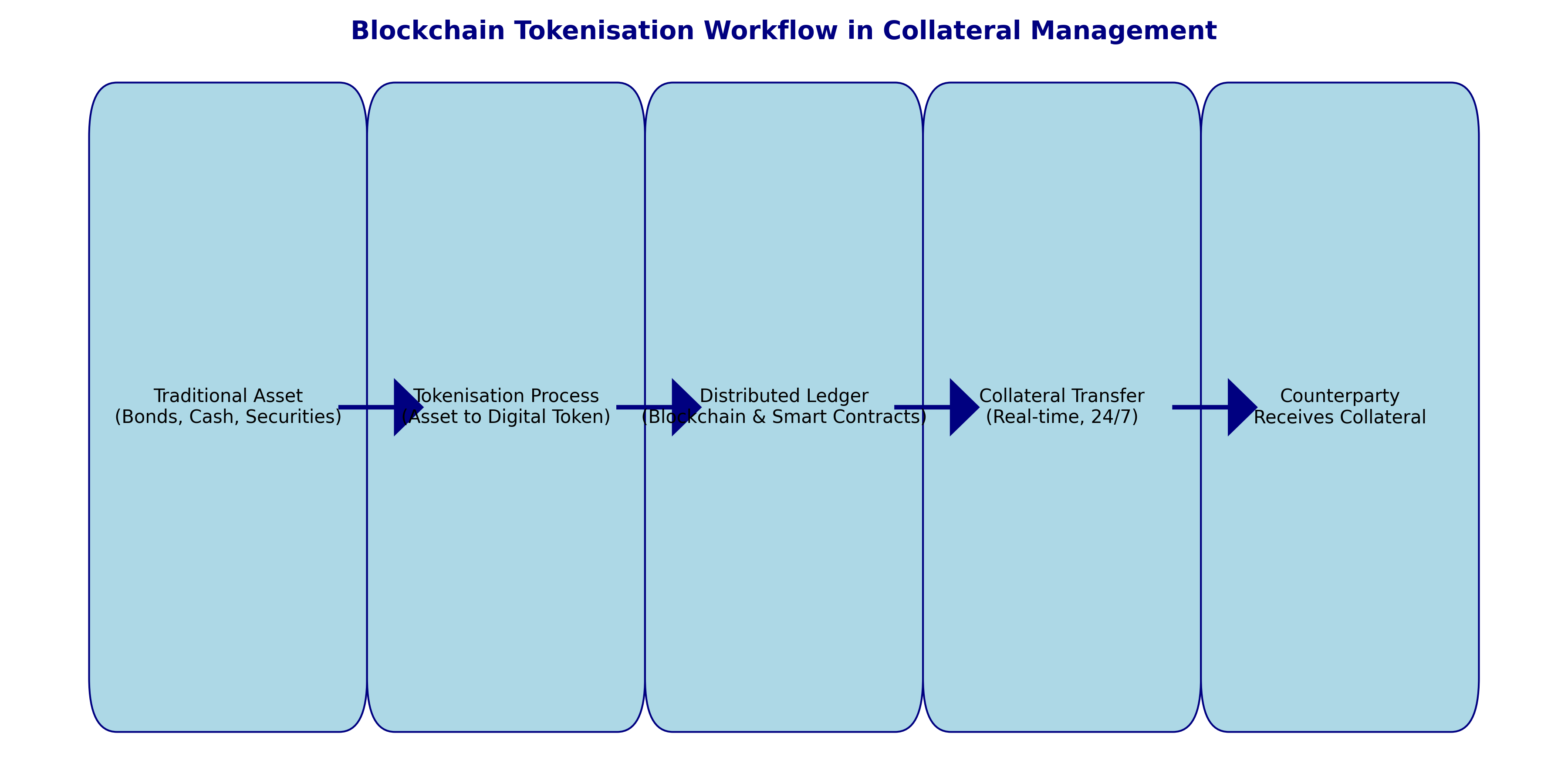
Tokenization enhances liquidity and transparency through improved price discovery mechanisms, according to industry analysis from Osler. This makes regulated platforms essential for accurate valuation. Investors can use the price signals from these derivatives to assess climate transition risk in their portfolios.
Execute the derivative contract
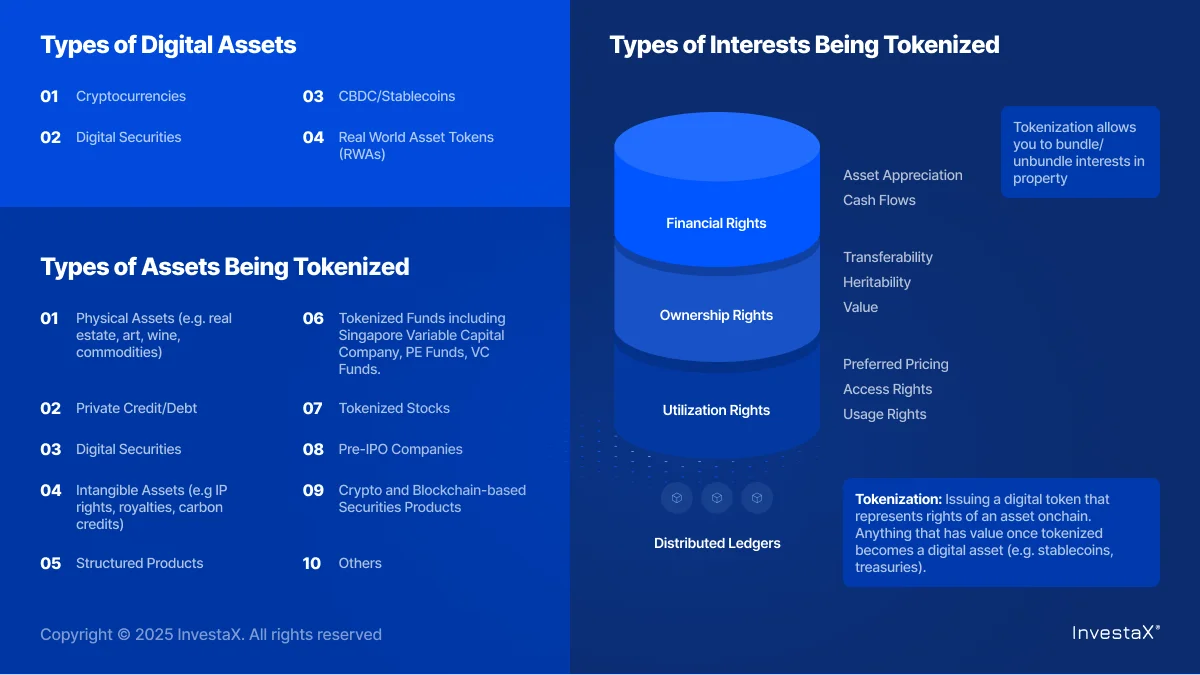
Trading tokenized climate derivatives requires connecting a compatible digital wallet to a specialized exchange and interacting directly with smart contracts. Unlike traditional equity markets, these transactions occur on-chain, meaning every step—from selecting a contract to final settlement—is recorded on the blockchain. This process eliminates many intermediaries but demands precise attention to network fees and contract specifics.
Begin by installing a Web3 wallet such as MetaMask or Phantom and ensuring it supports the blockchain network where the derivative is issued (e.g., Ethereum, Polygon, or Avalanche). Navigate to the trading platform and click "Connect Wallet." The platform will request permission to view your address and approve transactions. Verify the network matches the asset's location to avoid failed transactions.
Browse the exchange’s market list for the specific climate derivative you intend to trade. Tokenized carbon credits often trade against stablecoins like USDC or native gas tokens. Review the contract details, including the underlying asset (e.g., Verra VCS credits), expiration date, and settlement mechanism. Confirm the liquidity depth to ensure you can enter or exit the position without significant slippage.
Once you input the trade amount, the platform generates a transaction payload. Carefully review the gas fees and the smart contract address. High gas fees on networks like Ethereum can erode profits on smaller trades. If the details are correct, approve the transaction in your wallet. The blockchain will process the trade, and the derivative tokens will appear in your wallet balance upon confirmation.
Hold the derivative until expiration or close the position early on the secondary market. If holding to expiration, the smart contract will automatically settle based on the verified index price or physical delivery schedule. For physical delivery, ensure your wallet can interact with the registry to receive the underlying carbon credits. Digital settlement transfers the equivalent value to your wallet instantly.
Verify the underlying carbon asset
Tokenized carbon credits are blockchain-based assets that represent a specific amount of carbon dioxide equivalent (CO2e) removed or avoided. Unlike speculative crypto assets, these tokens are "digital twins" backed 1:1 by verified offsets held in traditional registries. To prevent double-counting and ensure the derivative is valid, you must audit the token before trading.
Start by checking the token contract against the official registry. Look for a unique serial number or batch ID that matches the credit in the registry database. This number is the primary link between the on-chain asset and the off-chain environmental benefit. If the registry does not list the serial number, the token is likely unbacked or fraudulent.
Next, confirm the retirement status of the credits. Verified credits must be retired or held in a locked escrow account to prevent them from being sold twice. Check the registry’s public ledger to see if the credits are listed as "available for transfer" or "retired." Tokens representing retired credits cannot be traded as derivatives, as the environmental benefit has already been claimed.
Finally, verify the project type and vintage. Ensure the underlying project is approved by a recognized standard. Check the vintage year to ensure the credits are not expired or from a project with known integrity issues. This due diligence protects you from trading tokens that do not represent real, additional, and permanent carbon removal.
Manage settlement and retirement
Settlement is the final step in trading tokenized climate derivatives, where the digital instrument is converted into its underlying value or permanently retired to satisfy ESG reporting requirements. Unlike traditional futures that often require physical delivery of commodities, tokenized credits typically settle in cash or through on-chain retirement, depending on the platform’s architecture and the specific contract terms.
Cash Settlement for Financial Derivatives
For weather or price-based derivatives, settlement usually occurs in fiat currency based on the difference between the contract price and the market index at expiration. The smart contract automatically calculates the payout and transfers funds to the winner’s wallet. This process eliminates counterparty risk because the code enforces the settlement terms without manual intervention.
On-Chain Retirement for ESG Compliance
If you are trading tokenized carbon credits for corporate net-zero goals, you must retire the tokens to claim the environmental benefit. Retirement is a one-time, irreversible action that burns the token on the blockchain, removing it from circulation. This creates a permanent, auditable record that the credit cannot be resold or double-counted, which is essential for compliance with recognized standards.
Verifying the Settlement Record
After settlement or retirement, download the transaction hash and the retirement certificate from the registry. These documents serve as proof of compliance for auditors and ESG reports. Ensure the metadata on the blockchain matches the registry entry to prevent discrepancies during external verification.
No comments yet. Be the first to share your thoughts!