
Define your climate risk exposure
Before selecting a tokenized instrument, categorize the specific financial threat your portfolio faces. Climate risk generally falls into two distinct buckets: physical variance from weather patterns and regulatory pressure from carbon emissions. Identifying which one drives your exposure determines whether you need weather derivatives or carbon credit tokens.
Weather derivatives for physical variance
Weather derivatives are financial instruments that pay out based on specific weather-related parameters such as temperature, wind, sunshine, or rainfall levels. They are designed to hedge against predictable variance rather than catastrophic events. For example, a ski resort might buy a temperature derivative to offset losses during a mild winter, while a utility company might hedge against a cooler-than-expected summer that reduces electricity demand.
When trading these tokens, you are not buying physical weather data; you are buying a contract that settles based on verified indices. Ensure you understand the settlement metric—whether it is heating degree days (HDD) or cooling degree days (CDD)—as this dictates your payout structure.
Carbon credit tokens for regulatory exposure
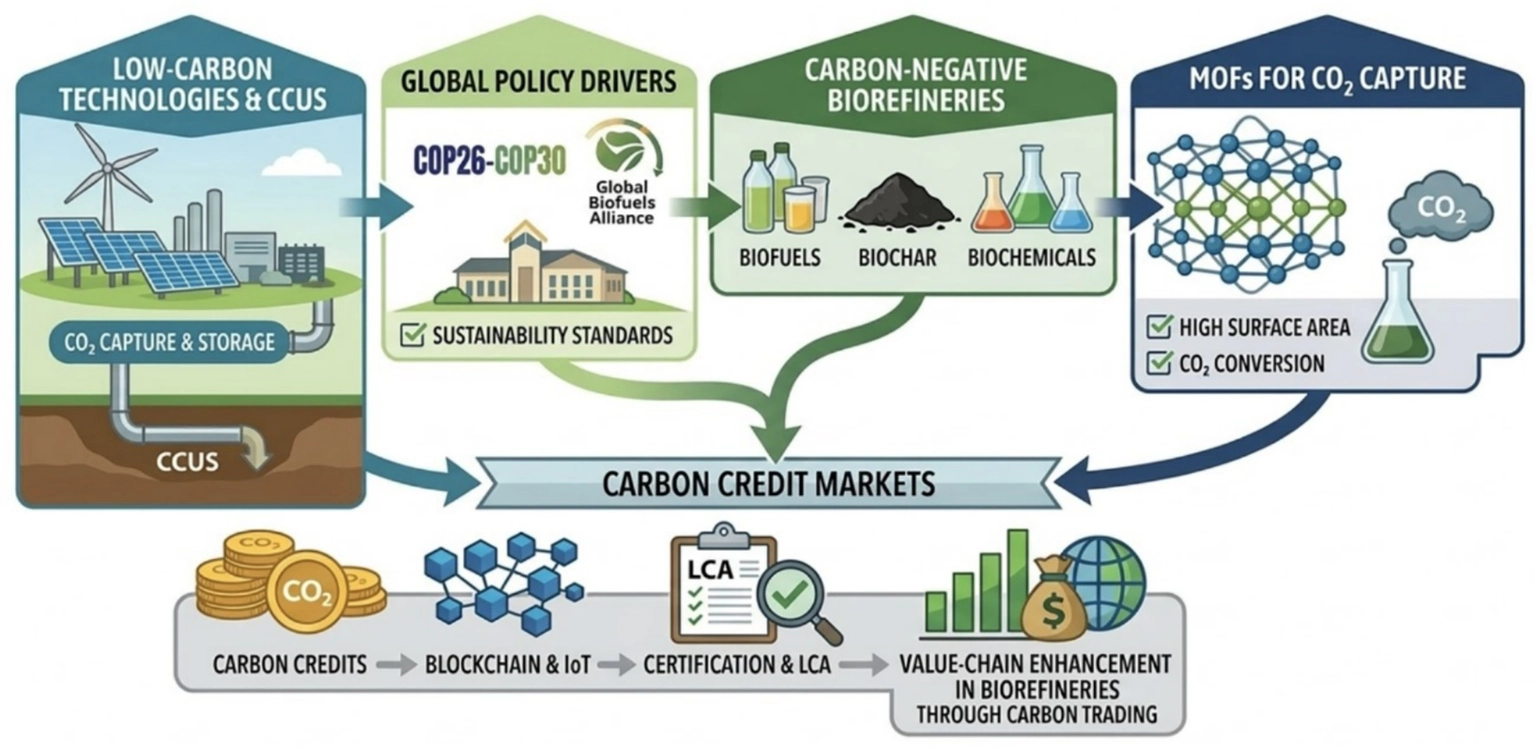
If your risk is tied to carbon pricing or compliance, tokenized carbon credits offer a liquid alternative to traditional offset markets. A carbon credit represents the right to emit one metric ton of CO₂ (or equivalent greenhouse gases). When tokenized, it becomes a digital representation of that right, tradable on blockchain platforms. Each token equals one ton of CO₂ offset, verified by registries like Verra or Gold Standard.
Tokenized carbon credits allow for fractional ownership and faster settlement than traditional paper-based credits. This is particularly useful for entities facing Scope 3 emissions reporting requirements or those looking to hedge against rising carbon tax rates. By holding these tokens, you effectively lock in the cost of your carbon footprint, protecting your balance sheet from regulatory spikes.
Verify the underlying asset registry
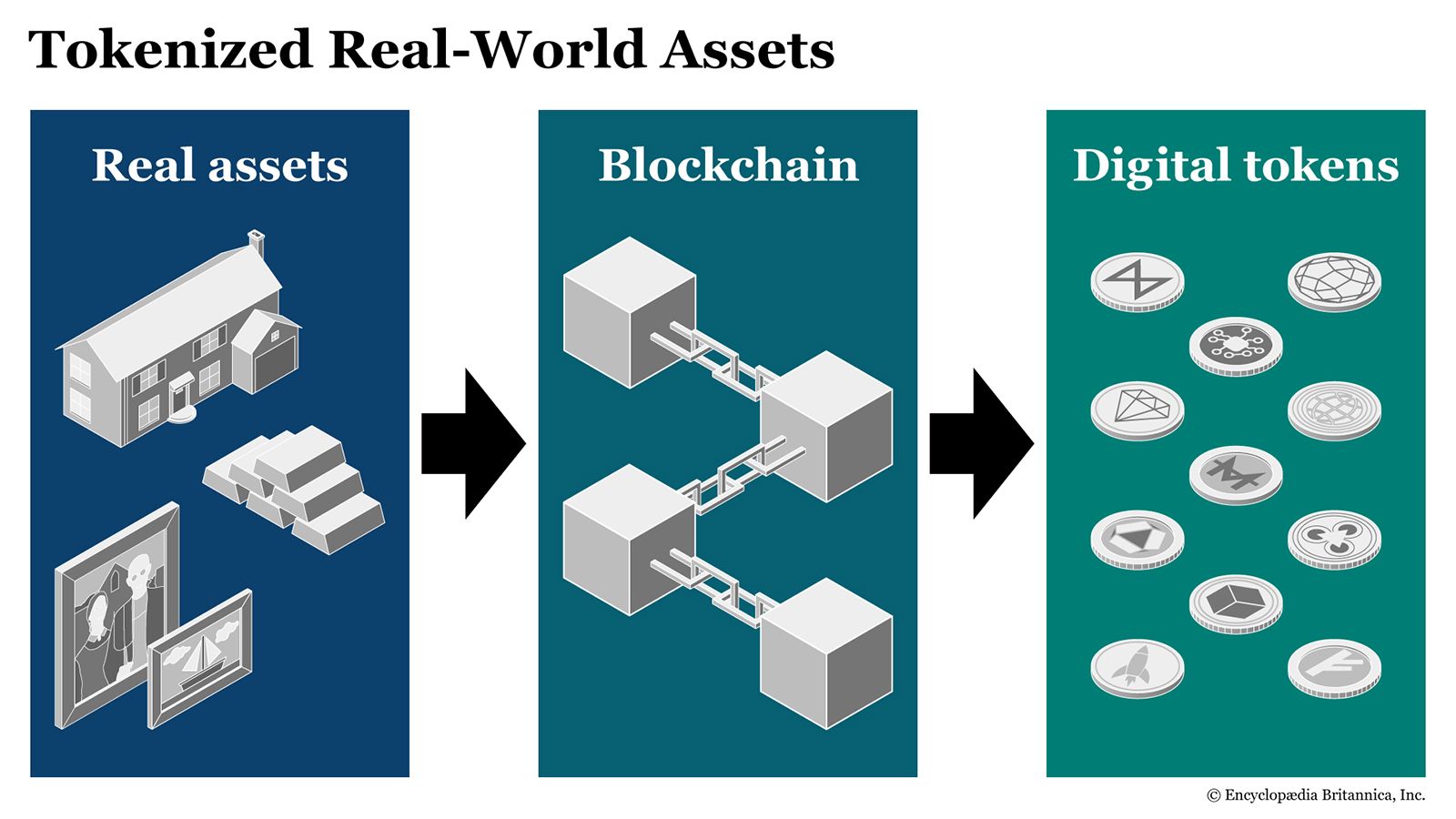
Before executing a trade, confirm that the digital token maps directly to a legitimate, audited physical asset. Tokenized climate derivatives—whether carbon credits or weather indices—are only as valuable as the registry backing them. If the source is unverified or double-counted, the derivative loses its utility as a risk management tool.
Start by identifying the registry of origin. For carbon credits, look for tokens issued by recognized standards like Verra or Gold Standard. These organizations maintain the public ledger of emission reductions. Each token should represent one metric ton of CO₂ equivalent, with a clear history of retirement or transfer. If the token lacks this traceability, it is likely speculative rather than a true hedge against climate risk.
For weather derivatives, the verification process shifts from physical registries to data indices. Ensure the contract references a transparent, third-party index such as the enwex index, which uses ECMWF gridpoint forecasts. This data source provides the objective baseline for settlement, removing ambiguity about whether a weather event actually occurred. Without this data anchor, the derivative becomes a bet on data manipulation rather than a hedge against weather variability.
Global Digital Finance emphasizes that tokenization aims to create an efficient, transparent system for trading these assets. However, this efficiency only works if the underlying entry in the physical registry is accurate. Cross-reference the token’s smart contract address with the registry’s public database to ensure the asset has not been retired elsewhere or sold twice.
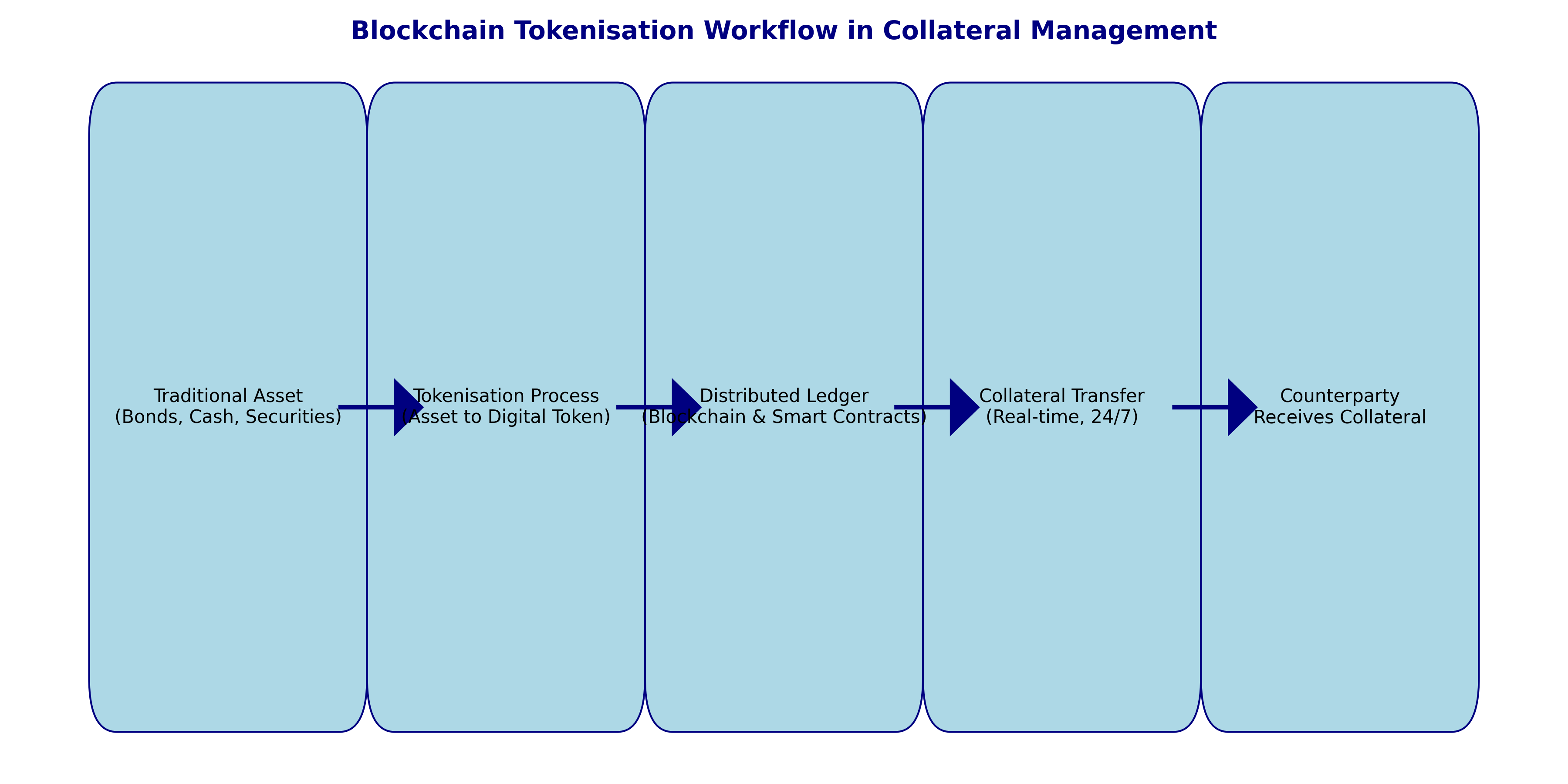
This step is non-negotiable. A tokenized asset without a verified registry is just a digital IOU. By anchoring your trade to a legitimate source, you protect yourself from the primary risk in this emerging market: the disconnect between the digital token and the physical reality it claims to represent.
Select a compliant trading platform
Choosing the right venue for tokenized climate derivatives requires balancing regulatory safety with the specific technical requirements of blockchain settlement. Traditional financial institutions often lack the infrastructure to handle on-chain assets, while purely crypto-native exchanges may not offer the depth of liquidity needed for weather or carbon contracts.
You need a platform that bridges these two worlds. Look for venues that are either registered with traditional financial authorities or operate under strict digital asset compliance frameworks. This ensures your counterparty risk is managed and that the smart contracts governing your derivatives are audited for code vulnerabilities.
When comparing options, focus on three pillars: regulatory oversight, settlement mechanism, and liquidity depth. Traditional weather desks like TP ICAP rely on established financial clearinghouses, whereas blockchain-native platforms use smart contracts for automated, transparent settlement. Understanding this distinction is critical for pricing and execution.
The table below compares the operational differences between traditional desks and blockchain-native platforms to help you evaluate which model fits your trading strategy.
| Feature | Traditional Desk | Blockchain-Native | Primary Risk |
|---|---|---|---|
| Regulatory Oversight | Central Bank/SEC | Varies (DeFi/Audited) | Counterparty Default |
| Settlement Speed | T+2 or T+3 | Real-time (On-chain) | Smart Contract Bug |
| Liquidity Source | Institutional Flow | LP Pools/Order Book | Slippage |
| Transparency | Limited (OTC) | Public Ledger | Oracle Manipulation |
Execute the hedge transaction
Executing a tokenized climate derivative requires precise interaction with smart contracts. Unlike traditional over-the-counter trades, these transactions settle automatically on-chain based on verified data. You must configure your wallet, approve the smart contract, and submit the order with the correct underlying parameters.
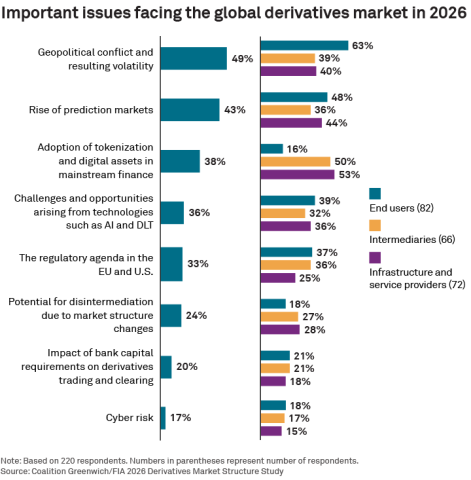
Access the trading platform using a Web3 wallet such as MetaMask or a hardware wallet. Ensure your wallet is connected to the correct network (e.g., Ethereum, Polygon, or a specialized L2). Verify that your balance covers both the premium cost and network gas fees.
Before trading, you must grant the derivative contract permission to spend your collateral. This is a one-time approval per contract address. Review the contract address carefully to ensure it matches the official platform documentation. Sign the transaction to allow the contract to lock your funds or tokens.
Select the specific climate variable, such as temperature, wind speed, or precipitation, based on the underlying index (e.g., ECMWF gridpoint forecasts). Choose the maturity date and the notional value. For weather derivatives, ensure the strike price aligns with your risk exposure, such as a threshold for excessive rainfall or heat.
Review the trade summary, including the premium, settlement date, and counterparty details. Submit the transaction to the blockchain. Once confirmed, the smart contract locks your collateral. The contract will automatically settle based on the oracle data feed, releasing payouts or losses without manual intervention.
Settlement occurs automatically when the oracle data is finalized. Ensure you understand the oracle provider, such as enwex or a similar verified source, as this determines the accuracy of the payout. Keep records of the transaction hash for compliance and auditing purposes.
Monitor settlement and compliance
Tokenized climate derivatives settle against real-world data, meaning the blockchain must accurately reflect physical index movements. Unlike traditional derivatives that settle based on exchange prices, these instruments rely on oracle feeds and registry data to determine final payouts. You must verify that the settlement price matches the underlying carbon metric or weather index before recognizing any gain or loss.
Track the derivative’s performance by monitoring the oracle updates that feed into the smart contract. For carbon credits, this means checking the registry (such as Verra or Gold Standard) for retirement or transfer events. For weather derivatives, verify the index calculation against the source (e.g., ECMWF data) to ensure the payout triggers correctly. Discrepancies between the on-chain token value and the off-chain index should be flagged immediately.
Compliance requires strict adherence to regulatory reporting standards. As noted by the Global Digital Finance (GDF) report on tokenization for net zero, these instruments serve as market-based mechanisms to incentivize emission reductions, but they also attract scrutiny from financial authorities. You must maintain records of all transactions, including the underlying asset’s provenance, to satisfy anti-money laundering (AML) and know-your-customer (KYC) obligations.
Use the checklist below to ensure your post-trade settlement and compliance tasks are completed accurately.
No comments yet. Be the first to share your thoughts!