
What tokenized climate derivatives actually are
Tokenized climate derivatives are blockchain-based financial contracts that derive their value from specific environmental variables, such as temperature, rainfall, or carbon emission levels. They merge the hedging mechanics of traditional weather derivatives with the transparency and programmability of tokenized assets. Unlike standard carbon credits, which represent a one-time offset, these derivatives function as insurance-like instruments that pay out when predefined climate metrics hit certain thresholds.
To understand this shift, it helps to distinguish them from two other common instruments. Traditional weather derivatives are financial contracts that pay out based on specific weather-related parameters like temperature or wind speed, primarily used by agricultural or energy companies to manage risk [GARP]. Standard carbon credits are digital representations of verified emission reductions, bought to offset a specific amount of pollution. Tokenized climate derivatives sit at the intersection: they are tradable contracts where the underlying asset is a climate outcome, not just a static offset.
This structure allows for more granular risk management. Instead of buying a credit to neutralize emissions, a company might buy a derivative to hedge against the financial loss of a drought disrupting its supply chain. The "tokenized" aspect means these contracts are recorded on a blockchain, enabling faster settlement, greater liquidity, and automated execution via smart contracts. This transparency reduces the counterparty risk often associated with over-the-counter climate finance deals.
The rise of these instruments reflects a broader trend in climate finance: moving from static offsets to dynamic, data-driven hedging. By tokenizing these derivatives, the market opens up to a wider range of participants, from institutional investors to smaller enterprises, allowing them to manage climate exposure with the same precision they apply to currency or commodity risks.
Market liquidity and price discovery
Traditional carbon markets are notoriously illiquid. Buyers and sellers often struggle to find each other in opaque, bilateral negotiations, leading to wide bid-ask spreads and delayed settlements. Tokenized climate derivatives solve this by bringing carbon credits onto public blockchains, where they can be traded with the speed and transparency of traditional securities.
This shift enables fractional ownership and real-time pricing. Instead of buying a whole credit, investors can trade smaller units, lowering the barrier to entry for ESG-focused funds and retail participants. The result is a deeper, more responsive market where prices reflect current supply and demand dynamics rather than stale, quarterly valuations.
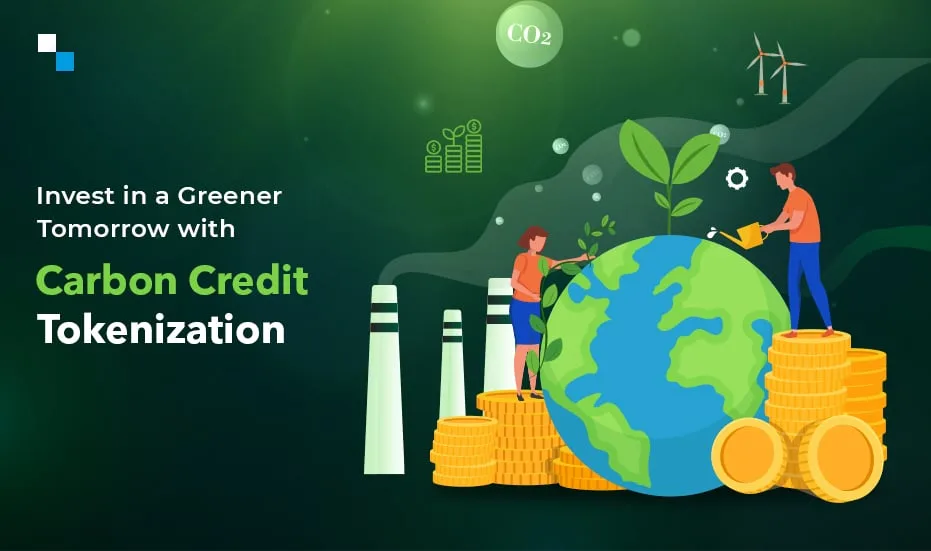
The impact is already visible in emerging markets. As noted by Osler, tokenization enhances liquidity and transparency through improved price discovery mechanisms, helping banks and institutions manage their ESG exposure more effectively. Meanwhile, prime brokers like FalconX are positioning tokenized commodity derivatives as a potential $5 billion market segment, signaling strong institutional interest.
| Feature | Traditional Carbon Credits | Tokenized Derivatives |
|---|---|---|
| Liquidity | Low (bilateral, OTC) | High (24/7, global) |
| Settlement Time | Days to weeks | Seconds to minutes |
| Fractional Ownership | No (whole units only) | Yes (sub-unit trading) |
| Price Transparency | Low (private negotiations) | High (public ledger) |
| Accessibility | High barrier (institutional) | Lower barrier (retail-friendly) |
Regulatory pilots and institutional adoption
The path from experimental pilot to institutional standard is being paved by regulatory clarity, not just technological promise. The U.S. Commodity Futures Trading Commission (CFTC) has moved beyond theoretical discussions, launching a pilot program that explicitly allows Bitcoin, Ethereum, and USDC to serve as collateral in derivatives markets. This regulatory stamp of approval signals that tokenized assets are no longer fringe instruments but viable components of traditional risk management frameworks.
This shift addresses a core friction point in climate derivatives: settlement risk. By integrating tokenized collateral, traditional finance institutions can reduce the time and counterparty exposure associated with clearing trades. As noted in industry analysis, this transformation is reshaping derivatives markets by improving capital efficiency and streamlining the settlement process, making tokenized climate contracts more attractive to institutional players who require rigorous risk controls.
The convergence of regulatory support and operational efficiency is creating a feedback loop. As more institutions adopt tokenized collateral for non-climate derivatives, the infrastructure and legal precedents become readily available for climate-specific products. This reduces the barrier to entry for carbon credit derivatives, allowing them to leverage existing, robust financial plumbing rather than building parallel systems.
To visualize the market activity surrounding these foundational assets, we look at the broader crypto-ESG landscape where tokenized derivatives are increasingly traded.
Hedging Climate Risk for ESG Mandates
Institutional investors are shifting from passive carbon offsetting to active risk management using tokenized climate derivatives. These instruments allow funds to hedge against physical climate risks and meet strict ESG compliance requirements without the volatility of traditional markets.
Tokenized derivatives provide real-time exposure to carbon prices, enabling precise hedging strategies. Unlike standard offsets, which are binary and often lack liquidity, these derivatives offer continuous pricing and transparent settlement on the blockchain. This transparency is critical for institutional auditors verifying ESG claims.
The integration of these assets into broader portfolios helps mitigate exposure to carbon pricing shocks. By using tokenized futures, investors can adjust their climate risk profiles dynamically, aligning with regulatory frameworks that demand measurable impact rather than simple charitable contributions.
No comments yet. Be the first to share your thoughts!