
What tokenized climate derivatives 2026 actually are
Tokenized weather derivatives are smart contracts that pay out based on real-world climate data, such as temperature or rainfall levels. Unlike traditional over-the-counter (OTC) contracts, which are private agreements between two parties, these derivatives exist on public blockchains. This shift removes the need for trusted intermediaries and allows anyone with a crypto wallet to participate.
In 2026, this asset class is moving from niche institutional tools to broader accessibility. The core value proposition is automation. When predefined weather conditions are met, oracle feeds trigger automatic payouts via smart contracts. This reduces counterparty risk and eliminates the lengthy settlement processes typical of traditional insurance or hedging products. As noted in recent industry analysis, this democratization could mark one of crypto’s most significant real-world use cases.
The market structure differs fundamentally from traditional finance. Traditional weather derivatives are often illiquid, with narrow participant bases limited to large corporations and specialized hedge funds. Tokenization opens these instruments to a global pool of liquidity. Traders can now hedge against specific climate risks or speculate on weather patterns without needing a direct physical exposure to the underlying asset.
This liquidity is critical for 2026’s market growth. By standardizing the underlying data and payout mechanisms, tokenized derivatives create a transparent, verifiable market for climate risk. While traditional markets still dominate high-volume institutional hedging, the on-chain ecosystem is rapidly gaining traction for its speed, transparency, and accessibility. The distinction lies not just in the technology, but in who gets to play.
On-chain platforms compared for carbon risk
The landscape for tokenized climate derivatives is shifting from experimental pilots to structured markets. As real-world asset (RWA) volume approaches $300 billion, the subset of climate-linked instruments is gaining institutional attention. However, not all platforms operate under the same risk parameters or regulatory frameworks. Investors must distinguish between pure carbon credit hedging, weather-indexed products, and hybrid structures.
The primary divergence lies in the underlying data source and counterparty model. Carbon platforms typically rely on verified registry data (Verra, Gold Standard) or satellite-verified offsets, whereas weather derivatives depend on meteorological indices. Regulatory clarity remains fragmented; the CFTC and SEC have overlapping interests, creating a contested bucket for tokenized derivatives without a single unified framework.
The table below compares leading platform archetypes based on liquidity depth, asset backing, and compliance posture. Note that specific TVL figures fluctuate daily; the comparison focuses on structural characteristics and market positioning.
| Platform Type | Underlying Asset | Liquidity Model | Counterparty Risk | Regulatory Status |
|---|---|---|---|---|
| Carbon Registry-Linked | Verified Carbon Units (VCUs) | Fragmented, OTC-heavy | Registry custody + Smart contract | Emerging (CFTC/SEC overlap) |
| Weather Index Protocol | Temperature/Rainfall Indices | High (parametric payout) | Oracle-based (e.g., NOAA) | CFTC-regulated as swaps |
| Hybrid RWA Derivative | Carbon + Weather Basket | Moderate (institutional pools) | Custodian + Oracle | Varies by jurisdiction |
| Decentralized Carbon Exchange | Tokenized Offsets | Low to Moderate (retail-driven) | Smart contract only | Unregulated / Grey area |
Liquidity remains the biggest bottleneck for carbon-specific platforms. Unlike weather derivatives, which pay out based on transparent meteorological data, carbon credits require complex verification of additionality and permanence. This creates a "liquidity penalty" for pure carbon tokens. Platforms that integrate weather indices often see higher trading volumes because their payouts are deterministic and instantaneous.
Counterparty risk also varies significantly. Registry-linked platforms depend on the integrity of the underlying carbon standard. If a registry reverses credits due to fraud or error, the token value can drop to zero. In contrast, weather index protocols rely on oracle accuracy, which is generally more auditable and less prone to subjective adjustment. For institutional hedgers, the latter offers a cleaner risk profile.
Regulatory uncertainty adds another layer of complexity. The lack of a single framework means platforms often operate in a grey area, particularly those dealing with tokenized offsets. Investors should prioritize platforms that explicitly engage with CFTC or SEC guidelines, even if full compliance is not yet achieved. The market is moving toward regulated structures, but the transition is uneven.
Smart contracts automate climate payouts
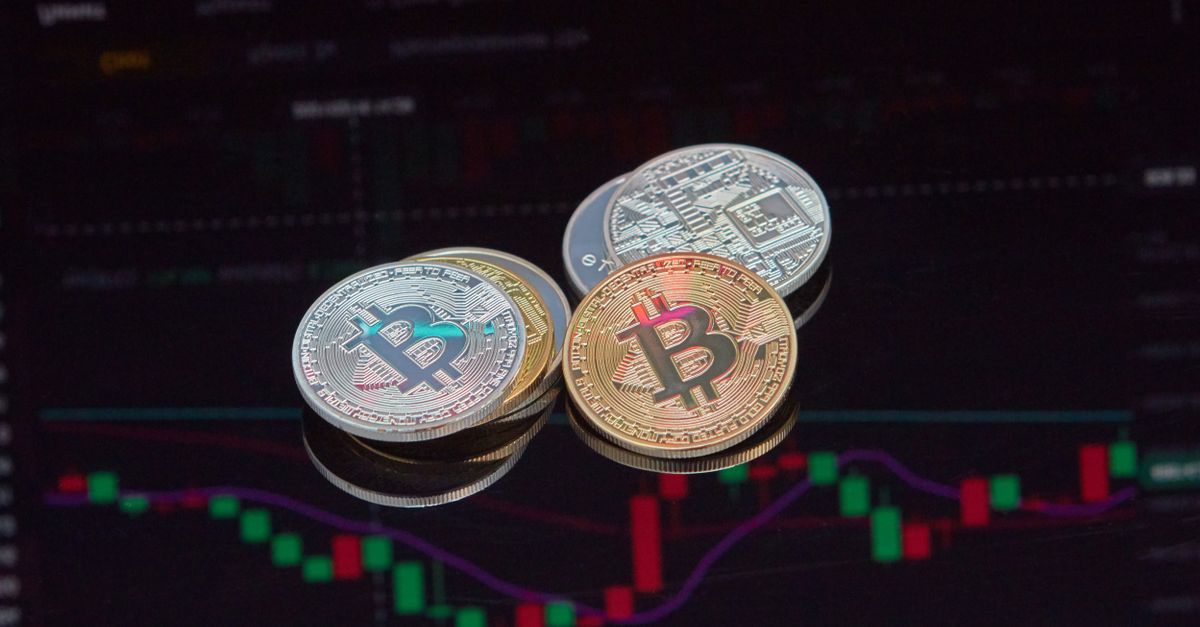
Smart contracts remove the need for manual claim processing by linking climate data directly to programmable financial logic. When a predefined threshold is met—such as rainfall dropping below a certain level or carbon emissions exceeding a set limit—the contract executes automatically. This mechanism replaces weeks of administrative negotiation with instantaneous settlement, ensuring that capital reaches farmers and municipalities exactly when they need it most.
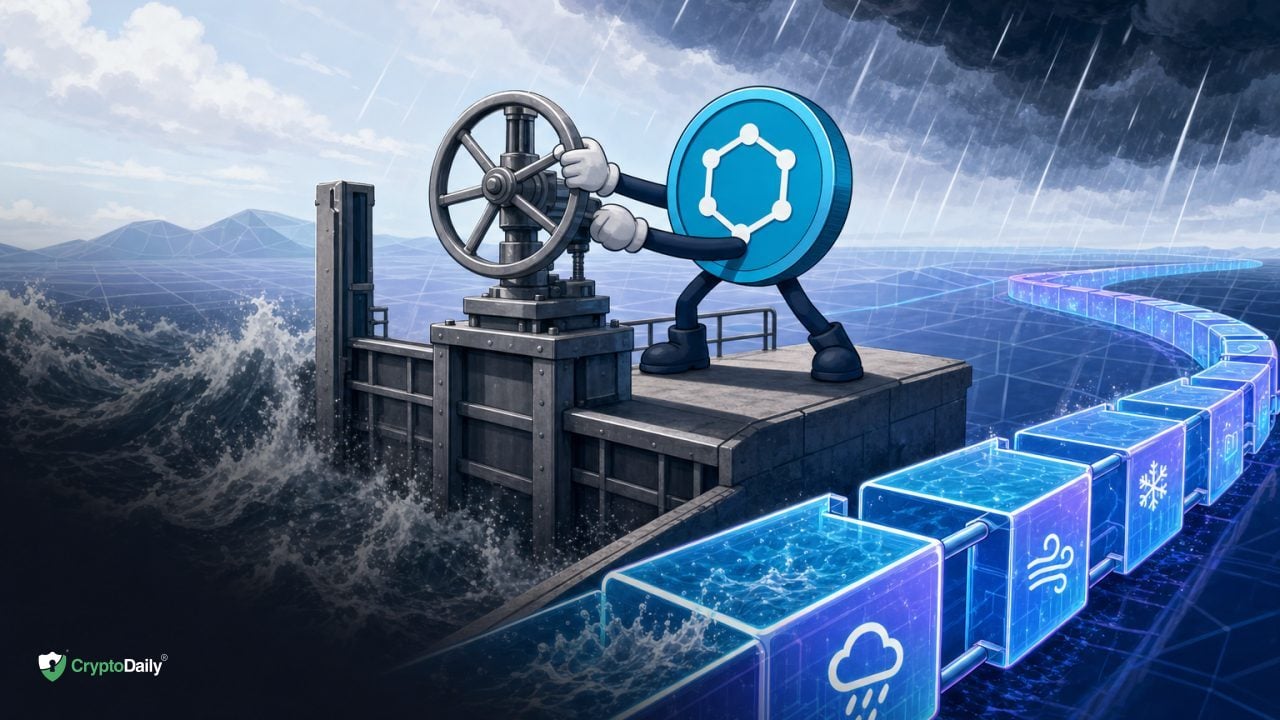
The technical backbone of this automation is the oracle network. Oracles act as trusted bridges between off-chain physical data and on-chain execution. They pull verified metrics from weather stations, satellite imagery, and government environmental agencies, then feed them into the smart contract. Without this reliable data feed, the contract would be unable to distinguish between a genuine climate event and a data error, making the oracle the single point of trust in an otherwise trustless system.
By automating the payout, tokenized climate derivatives significantly reduce counterparty risk. In traditional over-the-counter (OTC) derivatives, one party might default on a settlement payment or dispute the data source. On a public blockchain, the funds are locked in escrow and released only when the oracle confirms the trigger conditions. This transparency ensures that the hedge is real and the payout is guaranteed, provided the oracle data is accurate.
This shift from manual verification to automated execution transforms climate risk management. It allows smallholders and local governments to access sophisticated hedging instruments that were previously available only to large corporations. The technology does not just speed up payments; it fundamentally changes who can participate in the climate risk market by removing the administrative and financial barriers of traditional insurance.
Regulatory Friction Shapes Market Access
Tokenized climate derivatives currently operate in a contested regulatory bucket. The CFTC and SEC maintain overlapping interests, creating a fragmented framework that complicates market entry. Unlike traditional commodities, carbon credits and weather derivatives do not fit neatly into existing securities or commodities definitions. This ambiguity forces participants to navigate two distinct regulatory regimes simultaneously.
The CFTC generally views weather derivatives and certain carbon instruments as commodities, focusing on market integrity and anti-manipulation. The SEC, however, scrutinizes tokenized structures for securities characteristics, particularly when tokens represent ownership or profit-sharing rights. This dual oversight means that a single tokenized climate product may need to satisfy requirements from both agencies to achieve full compliance.
For participants in 2026, this friction translates to higher barriers to entry. Institutional players with dedicated compliance teams can absorb the cost of dual registration, but smaller entities face significant hurdles. The lack of a single, unified framework limits liquidity and slows innovation, as developers must design products that satisfy the most restrictive regulatory interpretation. Until clarity emerges, market access remains restricted to well-capitalized participants who can manage this complexity.
Democratizing climate risk for smallholder farmers
Tokenized climate derivatives are shifting climate risk management from an institutional luxury to a practical tool for smallholder farmers, particularly in regions like Africa where agricultural volatility is high. By linking trusted climate data directly to programmable financial contracts on the blockchain, these instruments allow farmers to hedge against droughts, floods, or irregular rainfall without navigating the opaque, slow, and expensive traditional insurance markets.
The process begins with on-chain oracles that ingest real-world weather data from reliable sources. When specific thresholds—such as rainfall dropping below a certain millimeter count—are met, smart contracts automatically trigger payouts. This automation removes the need for lengthy claims processing, ensuring that farmers receive funds quickly enough to purchase alternative seeds or inputs before the growing season is lost. The result is a more resilient supply chain where financial protection scales alongside the farmer’s plot size.
To understand the economic context of these micro-transactions, it helps to look at the settlement currency. Many of these protocols utilize stablecoins or major crypto assets to ensure cross-border liquidity and minimize exchange rate friction. The following widget tracks the live market value of Bitcoin, which serves as a benchmark for the underlying liquidity often used in these on-chain derivative settlements.
No comments yet. Be the first to share your thoughts!