
The market shift toward tokenized weather risk
The broader real-world asset (RWA) market is undergoing a structural expansion, with total derivative volume approaching $300 billion by mid-2026. According to data from The Block, approximately $20 billion of this volume now trades on weekends, signaling a shift toward continuous, permissionless settlement. Within this expanding ecosystem, tokenized weather derivatives have emerged as a distinct and rapidly growing segment, moving from niche agricultural hedges to institutional-grade climate risk management.
This growth is not merely speculative; it reflects a concrete demand for liquidity in previously illiquid risk pools. Traditional weather derivatives, which rely on indices like heating or cooling degree days, have long been used by energy companies and agricultural firms to hedge against volatility. However, the friction of bilateral contracts and limited counterparty access has historically constrained market depth. Tokenization resolves these bottlenecks by fractionalizing exposure and enabling automated settlement via smart contracts, thereby attracting a wider array of capital providers.
The convergence of regulatory clarity and technological maturity has accelerated this transition. As major financial institutions begin to integrate tokenized commodities into their balance sheets, weather-linked instruments are gaining traction as a viable tool for diversification. This shift is reshaping how climate risk is priced and transferred, creating a more transparent and efficient market for participants ranging from farmers to global insurers.
Why traditional weather markets are failing
The legacy weather derivatives market is an exclusive club. Historically, accessing these instruments required institutional-grade capital and direct relationships with major clearinghouses. This high barrier to entry has left a massive gap in coverage for smaller agricultural operations, regional utilities, and individual investors who face significant climate risk but lack the balance sheet to trade OTC swaps.
Beyond access, the mechanics of settlement are archaic. Traditional contracts rely on manual verification of weather data from specific stations, a process prone to delays and disputes. Counterparty risk remains a persistent concern; if one party defaults, the payout is stalled or lost entirely. Settlement can take weeks, leaving hedgers exposed during the critical window when risk is most acute.
Note: Tokenized derivatives automate payouts via smart contracts, reducing counterparty risk and opening climate-risk management to a broader audience. By moving to public blockchains, these instruments offer 24/7 liquidity and transparent, immutable settlement.
This inefficiency creates a clear opening for tokenization. By replacing manual clearing with automated smart contracts, tokenized weather derivatives can settle instantly based on verifiable oracle data. This shift not only lowers the cost of execution but also democratizes access, allowing smaller entities to hedge against weather volatility with the same efficiency as institutional players.
How smart contracts automate climate payouts
The core innovation of tokenized climate derivatives lies in removing the human element from the settlement process. Traditional weather insurance relies on manual claims verification, a slow and expensive procedure prone to disputes over data interpretation. By contrast, tokenized contracts execute automatically when specific, pre-defined conditions are met, as verified by decentralized oracles.
Smart contracts function as self-executing code stored on a blockchain. They do not require a claims adjuster to assess damage or verify rainfall totals. Instead, the contract is programmed with exact triggers—for example, "if the average temperature in Chicago exceeds 95°F for five consecutive days, pay out $10,000 per token." Once the oracle confirms the data meets this threshold, the payout is instantly transferred to the holder’s wallet.
This automation significantly reduces basis risk, which occurs when a hedge fails to perfectly offset actual losses due to data discrepancies or administrative delays. With on-chain data feeding directly into the contract, the timeline from event to settlement shrinks from weeks to minutes. This speed is critical for businesses that need immediate liquidity to cover operational disruptions caused by extreme weather.
Administrative overhead also drops dramatically. There are no underwriting teams to review individual claims, no legal fees for dispute resolution, and no intermediary fees for clearing houses. The code itself acts as the final authority, ensuring that payouts are objective, transparent, and immutable. This efficiency makes weather derivatives accessible to smaller entities that previously found the transaction costs prohibitive.
The regulatory split
Tokenized climate derivatives operate in a contested regulatory bucket. The CFTC and SEC both claim overlapping interests, creating a fragmented enforcement landscape with no single unified framework. This ambiguity complicates compliance for issuers and investors alike.
The CFTC generally views weather derivatives as commodity contracts, focusing on market integrity and anti-manipulation. The SEC, however, scrutinizes the token structure for securities law implications, particularly if the token represents an investment contract. This dual jurisdiction creates uncertainty for market participants trying to manage compliance across these rules.
Without a clear regulatory path, the market faces higher legal costs and slower adoption. Industry players are calling for a coordinated approach to define the boundaries between commodities and securities in the tokenized space.
Who benefits from tokenized weather insurance
The shift toward tokenized climate derivatives addresses a structural gap in global risk management: the exclusion of non-institutional actors from hedging tools. Historically, weather derivatives have been the domain of large utilities, multinational agribusinesses, and sophisticated hedge funds. The barriers to entry—complex contract structures, high minimum notional values, and reliance on traditional clearinghouses—left farmers, renewable energy operators, and small businesses exposed to volatile climate risks without viable financial offsets.
Tokenization lowers these barriers by fragmenting risk into tradable, liquid units on blockchain networks. This democratization allows smaller entities to participate in markets that were previously inaccessible. For a smallholder farmer, buying a tokenized rainfall derivative is now as straightforward as purchasing a commodity, providing a direct hedge against drought without navigating the opaque over-the-counter (OTC) markets that dominate traditional insurance.
Agricultural producers
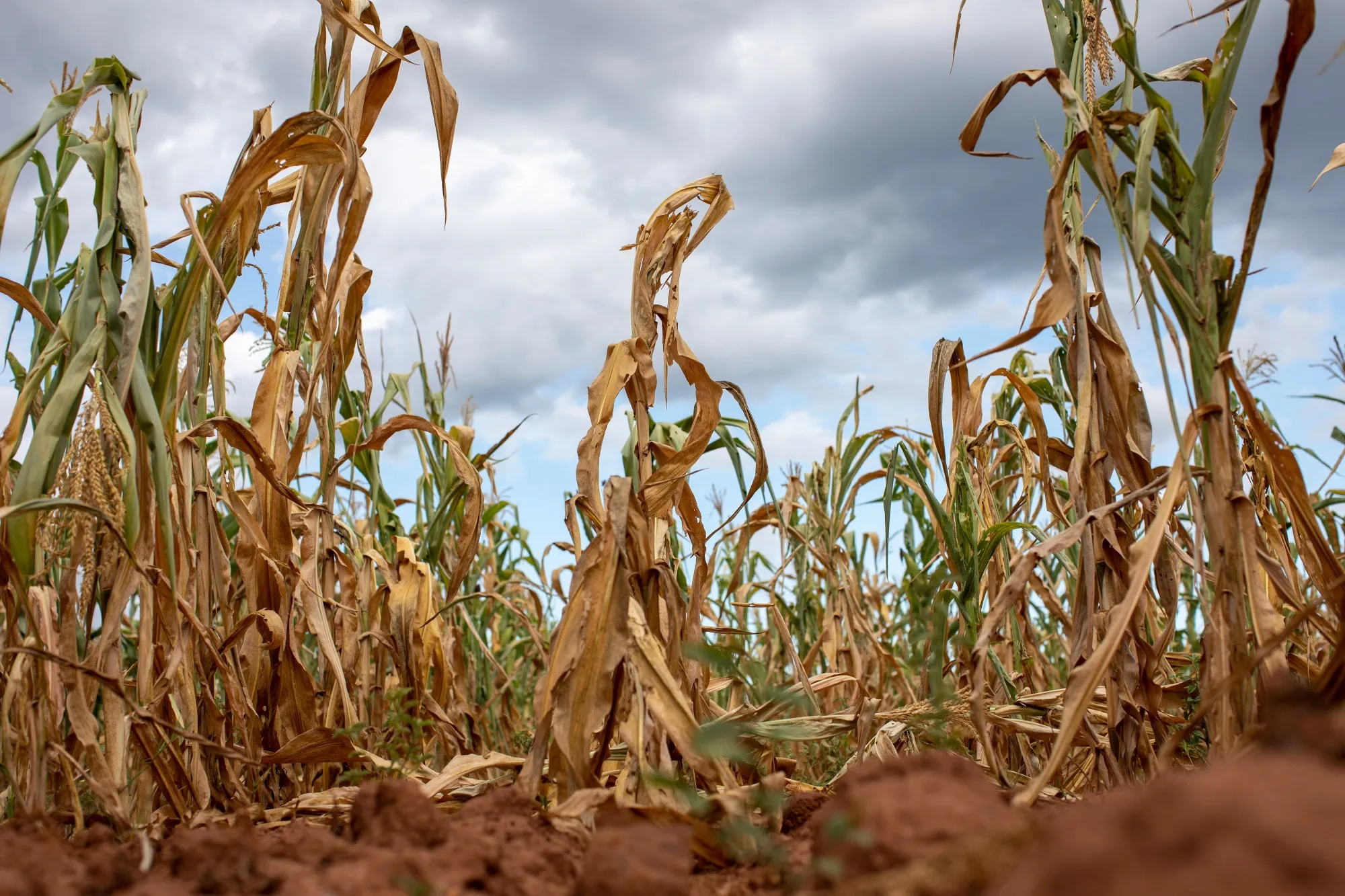
For farmers, weather volatility directly threatens revenue stability. Traditional crop insurance often involves lengthy claims processes and basis risk, where the payout index does not perfectly match the farmer’s specific loss. Tokenized parametric derivatives settle automatically based on verified oracle data, such as regional rainfall or temperature readings. This speed and precision provide immediate liquidity during crises, allowing producers to cover operational costs or reseed crops without waiting for bureaucratic approval.
Renewable energy providers
Wind and solar power generation are inherently tied to weather patterns. A drop in wind speeds or sunlight can significantly reduce revenue for independent power producers. By holding tokenized weather derivatives, these providers can hedge against underperformance. If the weather data triggers a payout, it offsets the lost energy revenue, stabilizing cash flows and making project financing more predictable for lenders and investors.
Small businesses and retailers
Beyond primary production, small businesses face indirect climate risks. A ski resort operator, a beachfront hotel, or a retail chain with seasonal inventory relies on favorable weather conditions. Tokenized derivatives allow these entities to hedge against specific weather events—such as unseasonably warm winters or excessive rainfall—that would otherwise depress foot traffic or sales. This level of tailored risk management was previously available only to corporations with dedicated treasury departments.
No comments yet. Be the first to share your thoughts!