
The liquidity gap in carbon markets
Traditional carbon credit markets operate as fragmented silos, creating a structural inefficiency that stifles capital formation and risk management. The voluntary carbon market (VCM) and compliance-based systems remain disconnected, preventing the free flow of liquidity necessary for price discovery. This fragmentation forces participants to navigate disparate registries, manual verification processes, and opaque settlement mechanisms, resulting in high transaction costs that disproportionately burden smaller actors. The result is a market where capital is trapped, and climate risk remains largely unhedged.
The scale of this inefficiency is substantial. Industry assessments indicate approximately $2 trillion in unhedged weather risk, a figure that underscores the inadequacy of current financial instruments. Tokenized climate derivatives emerge as a potential mechanism to bridge this gap, offering a pathway to automate payouts and reduce counterparty risk through smart contracts. However, the transition from traditional, illiquid carbon credits to tokenized derivatives is not merely a technological upgrade; it is a fundamental restructuring of market infrastructure. Without reliable data oracles, these tokenized instruments risk becoming speculative vehicles detached from physical reality.
The current landscape is characterized by low media density but high regulatory scrutiny. Legal frameworks in major jurisdictions are still grappling with the classification of tokenized assets, creating uncertainty that dampens institutional adoption. Unlike traditional derivatives, which benefit from decades of standardized legal precedent, tokenized climate derivatives operate in a regulatory gray area. This ambiguity increases compliance costs and limits the pool of eligible counterparties, further exacerbating the liquidity gap. As the market evolves, the ability to integrate seamlessly with existing legal structures will determine whether tokenized derivatives can achieve the scale necessary to impact global climate finance.
The integration of tokenization into climate finance requires more than just blockchain infrastructure. It demands a reimagining of how risk is priced, transferred, and settled. As regulatory bodies clarify the rules, the market will likely consolidate around platforms that offer transparent, auditable, and legally compliant solutions. Until then, the liquidity gap remains a critical barrier to scaling climate risk management tools.
How tokenization changes settlement
Tokenized climate derivatives represent a structural shift in how climate risk is priced, traded, and settled. Unlike traditional over-the-counter (OTC) derivatives, which rely on bilateral agreements and manual reconciliation, tokenized instruments embed the contract logic directly into smart contracts on a blockchain. This architectural change transforms settlement from a delayed, counterparty-dependent process into an automated, deterministic event.
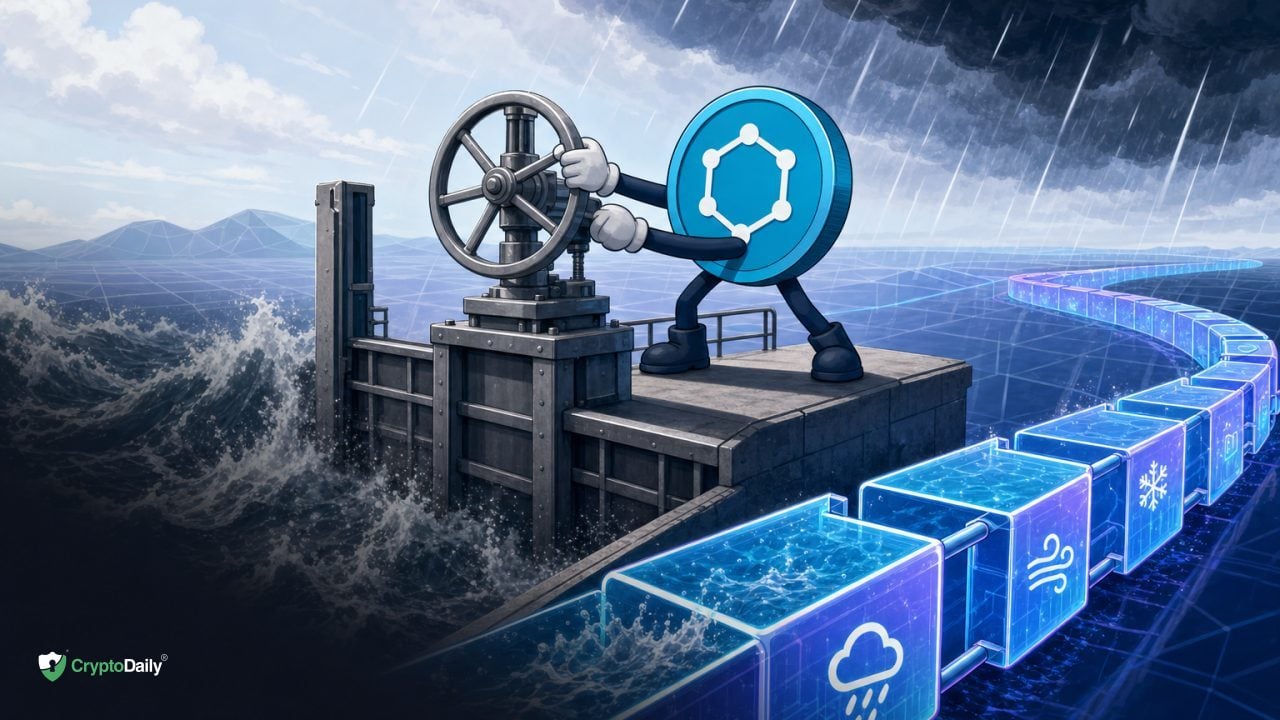
Tokenization divides a single derivative contract into smaller, digital units. This fragmentation allows institutional investors, agricultural cooperatives, and retail participants to acquire fractional exposure to climate risk without the high capital requirements of traditional OTC desks. By tokenizing the underlying asset or liability, liquidity is unlocked across a broader investor base, reducing the friction of entry and exit.
Settlement is triggered by predefined parametric conditions rather than manual loss assessment. When a smart contract detects that a specific climate metric—such as wind speed exceeding 100 mph or rainfall falling below a set threshold—has been met, the payout is executed automatically. This eliminates the basis risk and delay associated with indemnity-based insurance, ensuring that capital is available immediately when a climate event occurs.
In traditional OTC markets, the risk that the other party defaults on their obligation is a constant concern. Tokenized derivatives mitigate this by using blockchain infrastructure to hold collateral in escrow or via automated clearing mechanisms. The smart contract enforces the terms transparently, removing the need for trust in a specific counterparty and significantly lowering the cost of credit risk assessment.
The convergence of these elements creates a more resilient market for climate hedging. By removing intermediaries and automating the settlement process, tokenized climate derivatives offer a level of efficiency and transparency that traditional financial instruments struggle to match. This shift not only protects against climate volatility but also integrates climate risk directly into the broader financial ecosystem.
The Regulatory Overlap Threatening Tokenized Climate Derivatives
The path to mainstream adoption for tokenized climate derivatives is currently blocked by a fractured regulatory landscape. Unlike traditional financial instruments that fit neatly into established silos, tokenized derivatives occupy a contested space where the Commodity Futures Trading Commission (CFTC) and the Securities and Exchange Commission (SEC) claim overlapping jurisdiction. This ambiguity creates a high-stakes compliance environment for issuers and traders alike, as no single unified framework currently governs these on-chain assets.
For climate derivatives, the distinction often hinges on the underlying index. If the derivative is based on a commodity like temperature or precipitation levels, the CFTC typically asserts authority. However, if the token is structured in a way that implies an investment contract or security-like features, the SEC may intervene. This dual-overlap means that a single tokenized climate product could potentially face scrutiny from both agencies, creating a compliance paradox that stifles liquidity and innovation.
Traditional over-the-counter (OTC) climate derivatives operate within well-defined, albeit complex, regulatory boundaries. In contrast, tokenized versions introduce new variables: immutable smart contracts, global accessibility, and pseudonymous trading. These features clash with traditional KYC/AML (Know Your Customer/Anti-Money Laundering) requirements and reporting standards designed for centralized exchanges. The lack of a clear roadmap forces issuers to navigate a patchwork of interpretations, increasing legal costs and operational risk.
Compliance Comparison: Traditional vs. Tokenized
The following table highlights the key differences in compliance requirements between traditional OTC climate derivatives and emerging on-chain tokenized derivatives.
| Aspect | Traditional OTC | On-Chain Tokenized |
|---|---|---|
| Jurisdiction | CFTC (Commodity) or SEC (Security) | Overlapping CFTC/SEC; unclear |
| KYC/AML | Centralized counterparty verification | Challenge: On-chain pseudonymity vs. identity |
| Reporting | Real-time trade reporting to swap data repositories | Unclear; on-chain transparency vs. regulatory reporting |
| Enforcement | Clear legal recourse via centralized entities | Complex; smart contract immutability vs. legal orders |
Data integrity and oracle risks
Tokenized climate derivatives function as automated financial instruments, but their validity depends entirely on the accuracy of the underlying data. Unlike traditional derivatives, which may rely on negotiated settlements or established indices, tokenized contracts execute based on immutable smart code. This creates a critical dependency on oracles—the external data feeds that bridge blockchain ledgers with real-world climate metrics. If the oracle provides flawed weather or carbon data, the smart contract executes an incorrect payout, regardless of the actual physical risk.
The core challenge is not merely data collection, but data verification. Climate data, particularly from localized weather stations or satellite imagery, can be subject to sensor error, calibration drift, or even tampering. A single erroneous data point can trigger a catastrophic payout or deny a legitimate claim. As noted in industry analysis, without reliable and tamper-proof data, a tokenized weather derivative is "just a smart contract in search of a fact" [src-serp-7]. The blockchain ensures the code runs as written, but it cannot verify if the input data reflects reality.
To mitigate these risks, developers are increasingly turning to decentralized oracle networks that aggregate data from multiple independent sources. However, the legal and regulatory framework for holding oracles accountable remains underdeveloped. In the event of a data failure that leads to significant financial loss, determining liability is complex. Is the fault with the sensor provider, the oracle aggregator, the smart contract developer, or the platform issuing the token? Current legal precedents are sparse, leaving investors and issuers exposed to operational risk that is difficult to insure or litigate.
Also, the standardization of climate data feeds is inconsistent. Different protocols may use different baselines for temperature, precipitation, or carbon intensity, leading to discrepancies that can be exploited. For tokenized climate derivatives to gain institutional traction, the industry must establish rigorous, auditable standards for data integrity. Until then, the oracle problem remains the primary technical and legal barrier to the widespread adoption of these instruments.
Market participants and adoption
Institutional adoption of tokenized climate derivatives is currently concentrated among risk managers in insurance, agriculture, and energy sectors. These entities use on-chain instruments to hedge against volatile weather patterns and carbon pricing, leveraging smart contracts for automated payouts when specific climate triggers are met.
Despite this institutional interest, barriers to broader adoption remain significant. Regulatory uncertainty surrounding the legal status of tokenized assets in the United States and the European Union creates hesitation for smaller market participants. Compliance costs and the need for standardized oracles to verify climate data also limit the reach of these instruments beyond specialized institutional investors.
The transition to mainstream use requires clearer regulatory frameworks and more accessible infrastructure. As noted in industry analysis, tokenized weather derivatives could eventually offer Main Street firms a new way to hedge climate risks, but this future depends on resolving current legal and technical hurdles.
Evaluate Tokenized Climate Derivative Offerings
Tokenized climate derivatives occupy a contested regulatory space where the CFTC and SEC have overlapping interests. Because no single framework governs these instruments, investors and corporations must perform rigorous due diligence before capital allocation. The absence of a unified regulatory umbrella means that compliance is not guaranteed by the token’s existence alone.
The integrity of any tokenized climate derivative rests on the underlying data. Verify that the oracle provider is independent, audited, and resistant to manipulation. Weather data, in particular, is susceptible to localized anomalies that can trigger false settlements. Ensure the source feeds directly from recognized meteorological agencies rather than third-party aggregators.
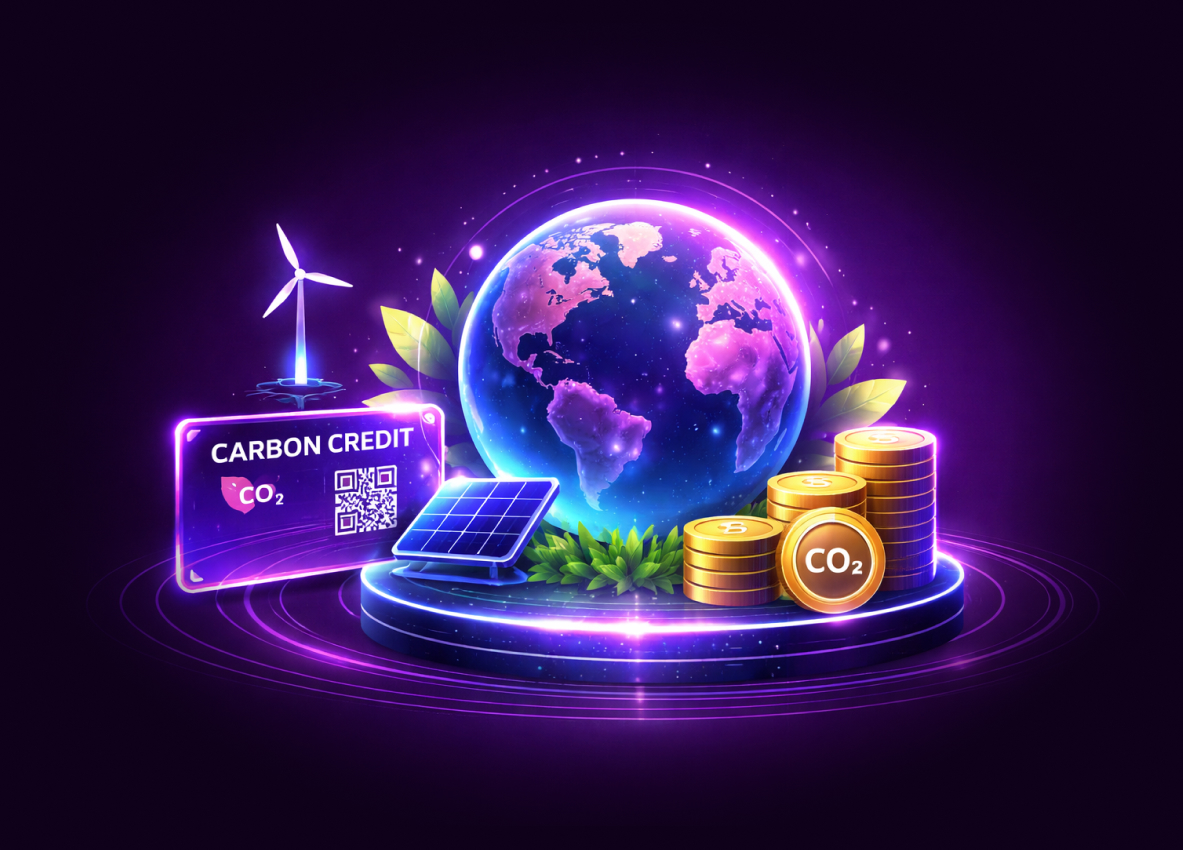
Determine whether the token is classified as a security, commodity, or utility. This distinction dictates which federal agencies oversee the offering and what disclosures are mandatory. Projects operating without clear regulatory alignment face significant legal risk, including potential delisting or enforcement actions. Consult official guidance from the CFTC and SEC to understand the current landscape.
Require a formal security audit from a reputable firm before any transaction. The code must clearly define the settlement logic and oracle interaction mechanisms. Look for evidence of bug bounties and continuous monitoring programs. Unaudited contracts introduce existential risk, as exploits can result in total loss of the underlying climate asset value.
Evaluate the depth of the order book and the solvency of the clearinghouse. Thin liquidity can lead to severe slippage during market stress, especially for niche climate events. Verify that the counterparty has sufficient capital reserves to honor settlements. Insufficient liquidity can trap capital and prevent exit during critical periods.
This checklist provides a foundational framework for navigating the complexities of tokenized climate assets. Always prioritize transparency and regulatory clarity over projected returns.
Common Questions About Tokenized Derivatives
Tokenized climate derivatives represent a convergence of blockchain technology and traditional risk management, but they operate within a complex and often contested regulatory environment. The CFTC and SEC maintain overlapping interests in these instruments, and no single unified framework currently governs the space. This section addresses specific queries regarding definitions, market participants, and legal status to clarify the operational reality of tokenized weather derivatives.
The intersection of climate risk and digital assets continues to evolve, with industry participants navigating a landscape defined by regulatory ambiguity and technological innovation. As tokenized climate derivatives gain traction, market participants must remain vigilant regarding compliance requirements and the specific mechanics of smart contract execution.
No comments yet. Be the first to share your thoughts!