
What Is a Tokenized Climate Derivative?
Tokenized climate derivatives are blockchain-based financial contracts that derive their value from underlying climate variables, such as temperature, rainfall, or snowfall. Unlike traditional insurance, which requires claims processing and manual verification, these instruments use parametric smart contracts to automate payouts. When a specific weather threshold is breached, the contract triggers automatically, removing counterparty risk and reducing settlement times from months to minutes.
This technology democratizes access to weather derivatives. Historically, hedging against adverse weather conditions was limited to large organizations with significant capital. Now, farmers, theme parks, and small businesses can purchase tokenized contracts to hedge against poor harvests, excessive rain, or temperature variability. By tokenizing these assets on public blockchains, the market becomes more liquid and accessible to a broader range of participants.
Climate derivatives typically focus on metrics like Heating Degree Days (HDD) or Cooling Degree Days (CDD). HDD measures how many degrees a day's average temperature falls below 65°F, indicating a need for building heating. These metrics are crucial for pricing derivatives in sectors like agriculture and construction, where weather directly impacts operational costs and revenue. Tokenization ensures that these complex calculations are transparent and immutable.
Tokenized climate derivatives choices that change the plan
Moving climate risk from traditional reinsurance markets to public blockchains introduces specific operational and structural tradeoffs. While tokenization promises to democratize access to weather derivatives—allowing farmers, theme parks, and regional utilities to hedge against rainfall or temperature variability—it also shifts risk profiles from bilateral counterparty agreements to code-based execution. Readers evaluating these instruments must weigh liquidity gains against smart contract exposure and data integrity concerns.
Smart contract risk vs. counterparty default
Traditional derivatives rely on the financial solvency of the issuer to pay out claims. Tokenized weather derivatives replace this with parametric smart contracts that automatically trigger payouts when oracle data meets predefined thresholds. This eliminates counterparty default risk but introduces code risk. If the smart contract contains a vulnerability or the oracle data feed is manipulated, the payout may fail or be incorrect. Investors must audit the contract’s source code and verify the reliability of the data provider, such as KWeather or similar meteorological services, rather than relying solely on the issuer’s credit rating.
Liquidity fragmentation
Public blockchains offer 24/7 trading and fractional ownership, potentially increasing market depth for niche climate risks like heating degree days (HDD) or cooling degree days (CDD). However, liquidity can be fragmented across multiple chains and decentralized exchanges. Unlike centralized exchanges with deep order books, tokenized derivatives may suffer from wide bid-ask spreads, making it difficult to enter or exit large positions without significant price impact. Traders should monitor volume across major DeFi protocols and consider the stability of liquidity pools before committing capital.
Oracle dependency and data integrity
The accuracy of a tokenized derivative hinges entirely on the oracle that feeds real-world weather data to the blockchain. If the oracle reports incorrect temperature or rainfall data, the smart contract will execute based on false premises. This is particularly critical for HDD derivatives, which rely on precise temperature tracking. A single data error can lead to massive mispricing or incorrect payouts. Users must verify that the oracle uses a diversified, tamper-resistant data aggregation method from reputable meteorological sources.
Regulatory clarity and compliance
Tokenized derivatives exist in a evolving regulatory landscape. While they offer efficiency, they may face scrutiny under securities laws depending on how they are structured and marketed. Unlike traditional derivatives, which are governed by established frameworks like the Dodd-Frank Act, tokenized versions may lack clear legal precedents. Companies should ensure their tokenization structures comply with local securities regulations and that the underlying asset is properly classified to avoid legal penalties.
| Factor | Traditional Derivatives | Tokenized Derivatives | Risk Profile |
|---|---|---|---|
| Counterparty Risk | High (issuer default) | Low (code execution) | High |
| Liquidity | Low (OTC markets) | Variable (DeFi pools) | Medium |
| Data Integrity | Managed by broker | Oracle-dependent | High |
| Regulatory Clarity | Established | Evolving | Medium |
Build a Climate Derivative Decision Framework
Tokenized climate derivatives convert weather data into programmable financial contracts. This structure reduces counterparty risk and automates payouts through parametric smart contracts, making it easier for businesses to hedge against climate volatility [[src-serp-1]].
To evaluate these instruments for ESG compliance or liquidity, follow this four-step framework.
Identify the exact environmental variable threatening your operations. Weather derivatives rely on underlying measures like rainfall, temperature, or snowfall. For example, a greenhouse operation might track temperature variability, while a retailer could monitor heating degree days (HDD) to manage energy costs during cold snaps [[src-serp-2]].
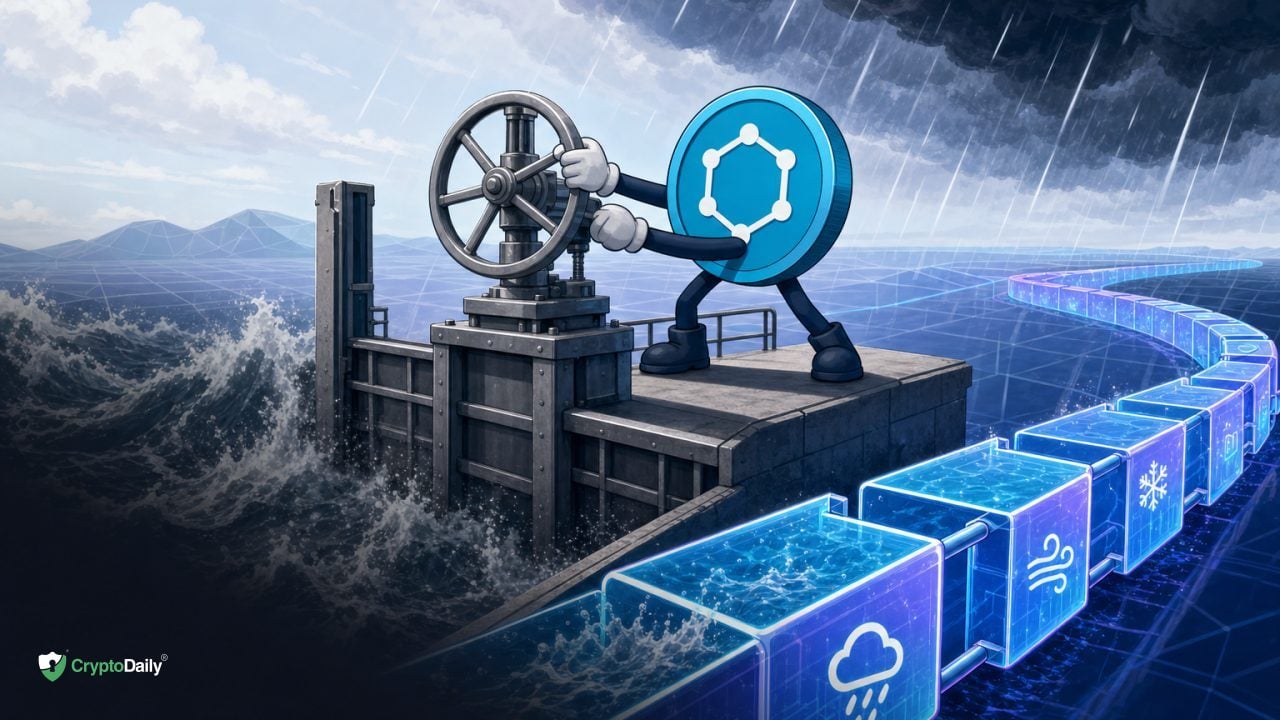
Choose a contract that matches your risk profile. Farmers often use these instruments to hedge against poor harvests from failing rains or excessive wind. Theme parks may insure against rainy weekends during peak seasons. The goal is to offset specific revenue losses rather than betting on general market trends [[src-serp-2]].
Since payouts are automatic, the accuracy of the weather data source is critical. Ensure the smart contract pulls data from reputable, tamper-proof oracles. Any discrepancy in the reported temperature or precipitation can trigger incorrect payouts or leave you exposed to actual losses [[src-serp-1]].

Tokenization allows these derivatives to trade on public blockchains, potentially increasing liquidity compared to traditional over-the-counter contracts. Evaluate the depth of the market for your specific tokenized instrument to ensure you can exit your position without significant slippage [[src-serp-1]].
This framework helps you move from abstract ESG goals to concrete risk management. By focusing on specific variables and reliable data, you can leverage tokenized derivatives to stabilize your financial exposure to climate events.
Watch out for these weak tokenized climate derivative options
Tokenized climate derivatives promise to automate ESG compliance and unlock carbon credit liquidity, but the market is still maturing. Several platforms make bold claims that don’t hold up under scrutiny. Here are the common pitfalls to avoid when evaluating these tools.
1. Vague underlying data sources
Many tokenized weather derivatives rely on parametric triggers, such as heating degree days (HDD) or rainfall levels. If a platform doesn’t clearly specify which weather station or index feeds its smart contracts, the payout logic is opaque. Always verify that the data source is official and immutable, not a third-party API that could be manipulated or delayed.
2. Hidden counterparty risk
While tokenization can reduce counterparty risk by automating payouts via smart contracts, it doesn’t eliminate it entirely. Some platforms still rely on centralized oracles to report weather data. If that oracle fails or is compromised, the derivative’s value becomes uncertain. Look for decentralized oracle networks that aggregate data from multiple independent sources to ensure the trigger conditions are met fairly.
3. Illiquid carbon credit pools
Tokenized carbon credits are often marketed as a way to increase liquidity, but many pools have minimal trading volume. This makes it difficult to exit positions without significant slippage. Before investing, check the daily volume and the number of active traders. A platform with high token supply but low demand is a red flag, especially if the underlying carbon credits are not verified by reputable standards like Verra or Gold Standard.
4. Misaligned ESG compliance claims
Some platforms claim their tokenized derivatives automatically satisfy ESG reporting requirements. This is rarely true. ESG compliance often requires manual verification and third-party audits that smart contracts cannot replicate. Use tokenized derivatives as a hedging tool, not a compliance shortcut. Always cross-reference your ESG reports with regulatory guidelines to ensure you are meeting legal obligations.
5. Complex fee structures
Tokenized derivatives often involve multiple fees, including minting, trading, and oracle data fees. These can add up quickly, especially for small positions. Compare the total cost of ownership across platforms. A platform with low trading fees but high oracle costs may be more expensive in the long run. Transparency in fee structures is essential to avoid unexpected costs that erode your hedging benefits.
Tokenized climate derivatives: what to check next
What is a tokenized derivative?
Tokenized derivatives are blockchain-based financial contracts that derive their value from an underlying asset, such as a cryptocurrency, stock, or commodity. By placing these contracts on a public ledger, issuers can automate payouts through smart contracts, significantly reduce counterparty risk, and open climate-risk management to a broader range of investors beyond traditional institutional players.
What are climate derivatives?
Climate derivatives, often referred to as weather derivatives, are financial instruments used to hedge against the financial impact of adverse weather conditions. They are linked to specific underlying measures such as rainfall, temperature, humidity, or snowfall. If the measured weather data deviates from a predetermined threshold, the contract triggers a payout to offset the resulting financial loss.
Who buys weather derivatives?
Farmers and agricultural businesses frequently buy these instruments to hedge against poor harvests caused by failing rains or excessive heat. Other buyers include theme parks, which insure against rainy weekends during peak seasons, and energy companies managing demand fluctuations. Essentially, any entity with financial exposure to unpredictable weather patterns can use these derivatives to stabilize their cash flow.
What are HDD weather derivatives?
Heating Degree Days (HDD) derivatives measure how many degrees a day's average temperature falls below 65°F, indicating the need for building heating. These contracts are crucial for pricing and risk management in sectors like energy, construction, and agriculture, where heating demand directly correlates with revenue or operational costs during colder months.
No comments yet. Be the first to share your thoughts!