
Why 2026 changes carbon trading
For years, the intersection of blockchain carbon trading and traditional environmental markets felt like two parallel universes that never quite touched. Pilots ran in isolation, liquidity remained thin, and regulatory uncertainty kept institutional capital on the sidelines. That dynamic is shifting now. 2026 marks the first credible year for tokenized real-world assets as MiCA enforcement, infrastructure maturity, and institutional rails converge to create a functional market rather than a theoretical experiment.
The European Union’s Markets in Crypto-Assets (MiCA) regulation has moved from paper to practice, providing the legal clarity that was previously absent. Tokenized carbon credits are no longer just digital representations of physical offsets; they are becoming standardized, auditable, and legally enforceable instruments. This regulatory backbone allows high-frequency trading and complex derivative structures to emerge without the constant fear of sudden compliance crackdowns.
Simultaneously, the underlying blockchain infrastructure has matured. Transaction costs have dropped, finality times have shortened, and interoperability between different ledger systems has improved. These technical improvements mean that carbon futures can now move with the speed and liquidity expected in modern financial markets. The fusion of blockchain carbon trading and high-octane crypto markets is delivering the volume and depth that traditional platforms struggled to generate.
The result is a market that is beginning to resemble its traditional counterparts in efficiency, if not yet in scale. Traders can now hedge climate risk with precision, and issuers can access global capital pools with greater ease. This shift from pilot projects to a credible, regulated market represents a fundamental change in how we approach carbon trading on blockchain platforms.
How to access tokenized carbon futures
Entering the market for tokenized carbon derivatives requires a structured approach that bridges traditional financial compliance with blockchain infrastructure. Unlike spot markets, futures and derivatives demand strict adherence to Know Your Customer (KYC) and Anti-Money Laundering (AML) protocols, as well as secure custody solutions. The following steps outline the verified pathway to accessing these markets in 2026.

Begin by identifying an exchange that offers tokenized carbon futures with regulatory oversight. Platforms like the Intercontinental Exchange (ICE) are actively testing sustainable bonds and tokenized instruments, providing a bridge between traditional finance and blockchain efficiency. Ensure the platform supports the specific carbon standard you intend to trade, such as Verra or Gold Standard, and verify that it holds the necessary licenses to operate in your jurisdiction.

Compliance is non-negotiable in derivative trading. You must submit government-issued identification and proof of address to the chosen platform. For institutional or high-volume traders, enhanced due diligence is required to trace the origin of funds. This step ensures that the tokenized credits are not linked to illicit activities and that you are cleared to trade leveraged positions or futures contracts.
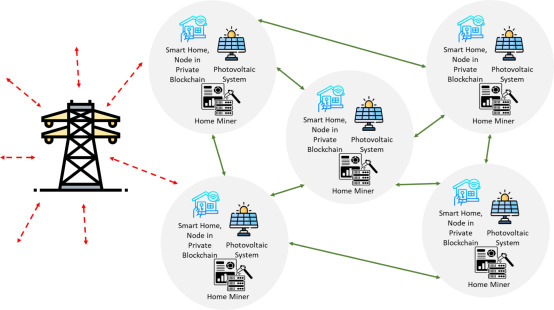
While some centralized exchanges offer custodial wallets, using a non-custodial wallet provides greater control over your assets. Choose a wallet that supports the specific blockchain network used by the carbon token (e.g., Ethereum, Polygon, or a dedicated L2). Ensure the wallet allows for interaction with decentralized exchanges (DEXs) if you plan to trade peer-to-peer, and enable hardware security for any significant holdings.
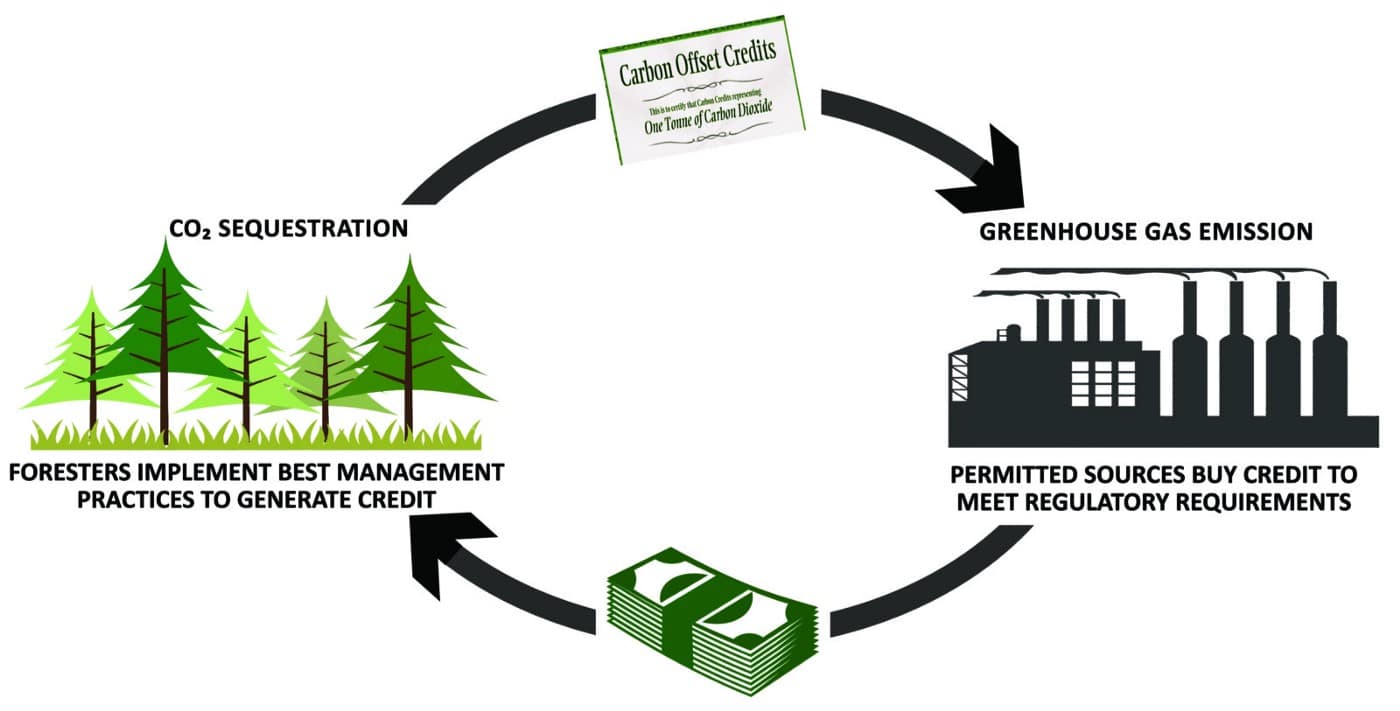
Deposit fiat currency or cryptocurrency into your exchange account. If using crypto, ensure it matches the trading pair available on the platform (e.g., USDC, ETH). For tokenized carbon futures, you may need to hold stablecoins to meet margin requirements. Be aware of network fees and conversion rates when moving funds between your personal wallet and the exchange.
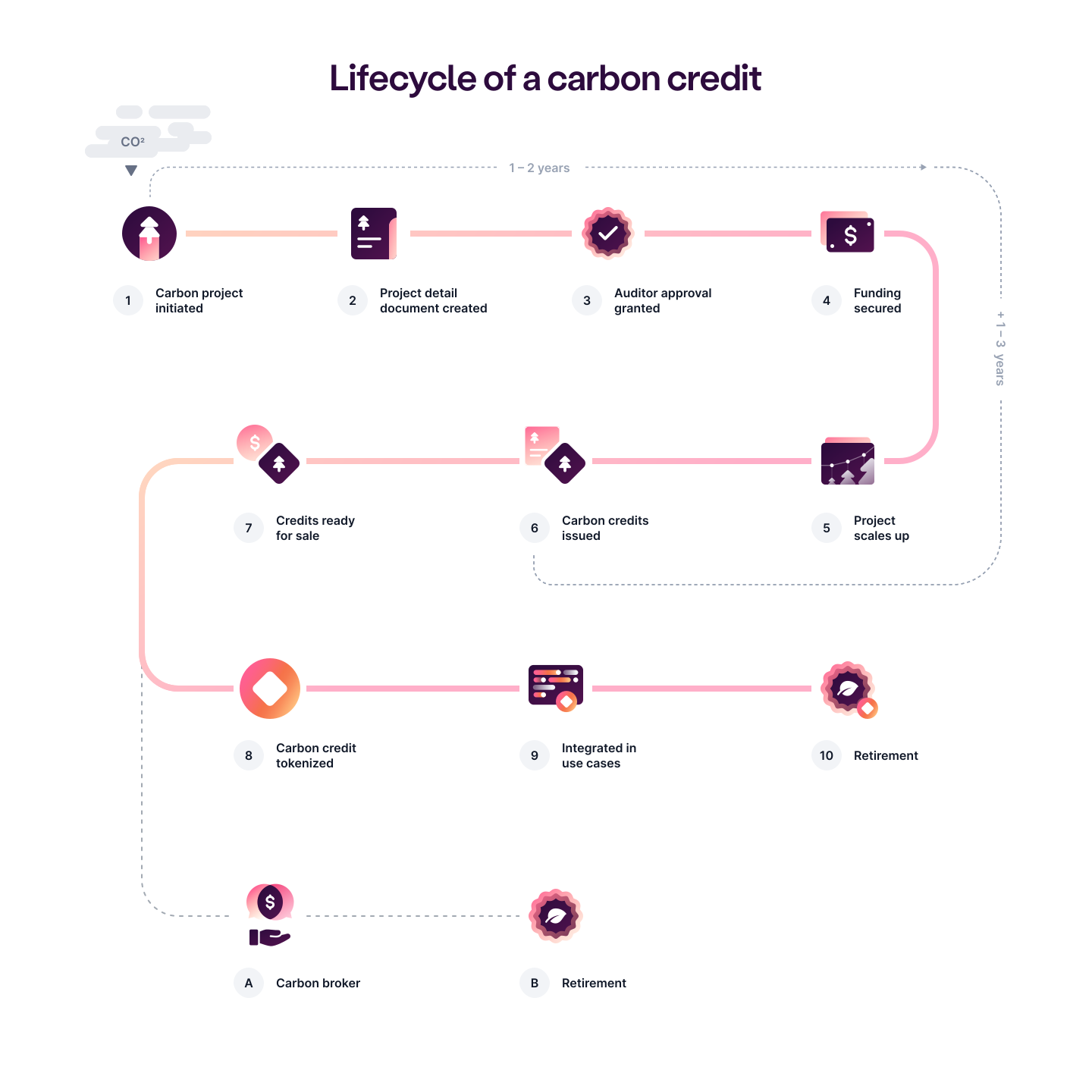
Navigate to the derivatives section of the platform. Select the carbon credit contract that matches your risk profile and time horizon. Review the contract specifications, including expiration dates and underlying asset verification. Place your order—whether a limit or market order—and monitor the position closely. Tokenized derivatives offer 24/7 trading, so volatility can occur outside traditional market hours.
The chart above illustrates the price action of a relevant climate technology ETF, providing context for the broader market sentiment surrounding tokenized environmental assets. While this chart does not track a specific carbon futures contract, it reflects the volatility and liquidity trends that impact derivative pricing in the climate sector.
Verifying credit quality and standards
Tokenized climate derivatives rely on the integrity of the underlying carbon credits. Unlike traditional offset markets, where opacity often masks low-quality projects, blockchain enables on-chain verification against recognized standards. The primary mechanism for this trust is the Integrity Council for the Voluntary Carbon Market (ICVCM) Core Carbon Principles (CCP).
As of March 2026, the ICVCM had approved nine carbon-crediting programs as CCP-Eligible, covering 38 methodologies. This approval acts as a rigorous filter, ensuring that only credits with high additionality, permanence, and leakage safeguards enter the tokenized market. When trading carbon credits on blockchain, verifying that the underlying asset is linked to one of these approved programs is the first step in risk management.
To understand the value proposition of this verification, compare the structural differences between tokenized assets and traditional offsets.
| Feature | Tokenized (CCP-Eligible) | Traditional Offsets | Risk Profile |
|---|---|---|---|
| Transparency | On-chain ledger, immutable history | Registry-dependent, often opaque | Lower counterparty risk |
| Verification | ICVCM Core Carbon Principles | Varies by project standard | Higher quality variance |
| Liquidity | 24/7 secondary market trading | OTC, long settlement times | Illiquidity premium |
| Fractionalization | Yes, down to small units | No, bulk lots only | Higher barrier to entry |
The data above highlights why verification matters beyond compliance. Tokenized assets linked to CCP-eligible programs offer superior transparency and liquidity, reducing the risk of holding "phantom credits" that exist only on paper. Traditional offsets often suffer from vague verification trails, making them susceptible to double-counting and quality degradation.
When evaluating a tokenized carbon derivative, check the smart contract metadata or the issuing platform's documentation for the specific ICVCM program ID. If the credit cannot be traced back to an approved methodology, treat it as high-risk. The market is shifting toward these verified assets, with projections suggesting the global carbon credit market could reach USD 7–35 billion by 2030. This growth will likely favor only those tokens with verifiable, high-integrity backing.
Common mistakes in climate derivative trading
Tokenized carbon credits offer transparency, but the infrastructure is still maturing. Trading these assets requires navigating risks that traditional derivatives markets have spent decades mitigating. Ignoring these structural gaps can lead to significant capital loss or regulatory penalties.
Liquidity Traps and Fragmented Pools
Unlike centralized exchanges, decentralized climate derivative platforms often suffer from thin order books. A single large sell order can slip the price dramatically, especially in niche carbon vintages. Without deep liquidity pools, traders face high slippage costs that erase potential margins. Always verify the depth of available liquidity before entering a position.
Regulatory Misalignment
The legal status of tokenized assets varies by jurisdiction. MiCA enforcement in the EU provides clarity, but similar frameworks are still developing in the US and Asia. Trading tokens that do not comply with local securities or environmental regulations can result in frozen assets or fines. Ensure the underlying carbon credit is recognized by the relevant registry and jurisdiction.
Counterparty Risk in Decentralized Platforms
Smart contracts are immutable, but they are not infallible. Bugs or exploits in the code can lead to the loss of collateral. Additionally, if the platform relies on off-chain oracle data for carbon price feeds, a compromised oracle can trigger unfair liquidations. Use audited protocols and diversify counterparty exposure across multiple platforms to mitigate this risk.
Verification of Carbon Vintage
Not all tokenized credits represent real, verified emissions reductions. Some platforms may tokenize outdated or double-counted credits. Always check the retirement status of the credit on the official registry (e.g., Verra or Gold Standard) before trading. This step is critical to avoid holding worthless or invalid tokens.
Overlooking Transaction Costs
Blockchain transaction fees (gas) can be substantial, particularly during network congestion. For small trades, fees may exceed the profit margin. Calculate the total cost of entry and exit, including gas, before executing a trade. Consider using layer-2 solutions or sidechains with lower fees for frequent trading.
Ignoring Price Volatility
Carbon prices can be volatile, influenced by policy changes, weather events, and corporate demand. Unlike traditional commodities, the carbon market is still emerging, leading to unpredictable price swings. Use stop-loss orders and position sizing to manage this volatility. Never invest more than you can afford to lose in these high-risk assets.
Carbon credit market outlook to 2030
The trajectory for tokenized climate derivatives is defined by the scale of the underlying carbon credit market. MSCI Carbon Markets modeling projects that global demand will push the market value to between USD 7 billion and USD 35 billion by 2030. This expansion is driven by tightening regulatory caps and corporate net-zero commitments that require verifiable, tradable offsets.
This growth creates a tangible foundation for blockchain-based trading. As traditional financial institutions integrate carbon assets, the liquidity and transparency offered by tokenization become increasingly valuable. The market is shifting from a niche compliance tool to a mainstream financial instrument.
Looking further ahead, the long-term potential is even more significant. MSCI estimates that by 2050, the market could reach USD 45 billion to USD 250 billion. This projected scale underscores why investors are currently positioning themselves in tokenized climate derivatives, anticipating a future where carbon credits are as liquid and accessible as traditional equities.
Checklist for your first trade
Before executing a trade in tokenized climate derivatives, verify these five critical items. This checklist ensures your position is compliant, liquid, and backed by verified carbon standards.
Ensure the platform is registered under relevant frameworks like MiCA. Verify that the exchange supports the specific token standard (ERC-1155 or ERC-721) required for your asset.
Check if the credit comes from an ICVCM-approved methodology. Only trade credits listed as CCP-Eligible to avoid regulatory rejection or reputational risk in 2026.
Tokenized carbon derivatives can suffer from thin order books. Review the 24-hour volume and bid-ask spread on the exchange dashboard before placing a market order.
Identify the issuer of the tokenized asset. Prefer platforms with audited smart contracts and clear redemption rights to physical carbon credits.
Use a hardware wallet for storing high-value carbon tokens. Ensure your wallet supports the specific blockchain network (e.g., Ethereum, Polygon) where the derivative trades.
Review the live chart above to gauge current volatility before entering your position. Tokenized climate assets are still emerging, so start with small sizes to test the execution flow.
What is the carbon credit prediction for 2030?
MSCI Carbon Markets modeling projects the global carbon credit market will reach between USD 7 billion and USD 35 billion by 2030. This expansion reflects the tightening of compliance regimes and the maturation of voluntary corporate offset programs.
For longer-term visibility, MSCI estimates the market could expand to USD 45–250 billion by 2050. This trajectory assumes continued regulatory pressure and the integration of tokenized assets into traditional financial infrastructure.
No comments yet. Be the first to share your thoughts!