
Verify carbon credit eligibility
Before tokenizing or trading climate derivatives, you must confirm that the underlying carbon credits meet current regulatory standards. The market has shifted away from voluntary, unverified offsets toward assets that satisfy the ICVCM Core Carbon Principles (CCP). Trading non-compliant credits carries significant regulatory risk, as these assets may face devaluation or exclusion from recognized compliance markets.
Start by checking the ICVCM registry to identify which crediting programs have achieved CCP-Eligible status. The registry lists approved programs and their associated methodologies. Ensure the specific carbon credits you intend to trade are generated under one of these approved methodologies. Credits from programs not on this list are unlikely to be recognized by major compliance schemes or institutional buyers.
Verify that the underlying carbon credit program is listed as CCP-Eligible in the ICVCM registry. Confirm the specific methodology used for credit generation is also approved.
Next, validate the vintage and additionality of the credits. Carbon credits are only valid for a specific period, and their value depends on whether the emission reductions would have occurred without the project funding. Review the project documentation to ensure the credits represent real, measurable, and permanent reductions. Avoid credits with questionable additionality claims, as these are increasingly scrutinized by regulators and buyers.
Finally, assess the legal title and ownership of the credits. Tokenization requires clear, unencumbered title to the underlying asset. Ensure the issuer holds the legal right to tokenize the credits and that no third-party claims exist. This step is critical for preventing disputes and ensuring the integrity of the tokenized derivative contract.
Select a compliant trading venue
Finding a regulated platform that supports tokenized climate derivatives requires verifying two things: regulatory licensing and actual asset liquidity. 2026 marks the first credible year for tokenized real-world assets as MiCA enforcement matures alongside institutional rails. Before funding an account, confirm the venue holds the necessary authorizations to handle tokenized carbon credits under current European and global standards.
Regulated venues vs. decentralized platforms
Decentralized exchanges (DEXs) offer permissionless trading but lack the compliance infrastructure required for institutional climate finance. Regulated venues provide the necessary audit trails, KYC/AML checks, and legal recourse. The table below compares the operational differences between these two models for trading tokenized carbon derivatives.
| Feature | Regulated Venue | Decentralized Exchange |
|---|---|---|
| MiCA Compliance | Full adherence | Limited or none |
| Liquidity Source | Institutional & market makers | Retail & automated market makers |
| Counterparty Risk | Cleared or custodial | Smart contract dependent |
| Settlement Time | T+1 or instant (tokenized) | Instant (blockchain) |
| Legal Recourse | Yes, via regulator | No |
Verification checklist
Before executing your first trade, run through this quick verification process to ensure the platform meets 2026 enforcement standards. Look for explicit mentions of MiCA compliance in their terms of service and verify their registration with relevant financial authorities like the BaFin or ESMA.
- Confirm the platform supports ERC-3643 or similar compliant token standards for carbon credits.
- Check if the venue offers segregated custody for digital assets.
- Verify that the platform provides real-time audit logs for all tokenized derivative positions.
- Ensure the platform has clear dispute resolution mechanisms for failed settlements.
Execute the tokenized trade
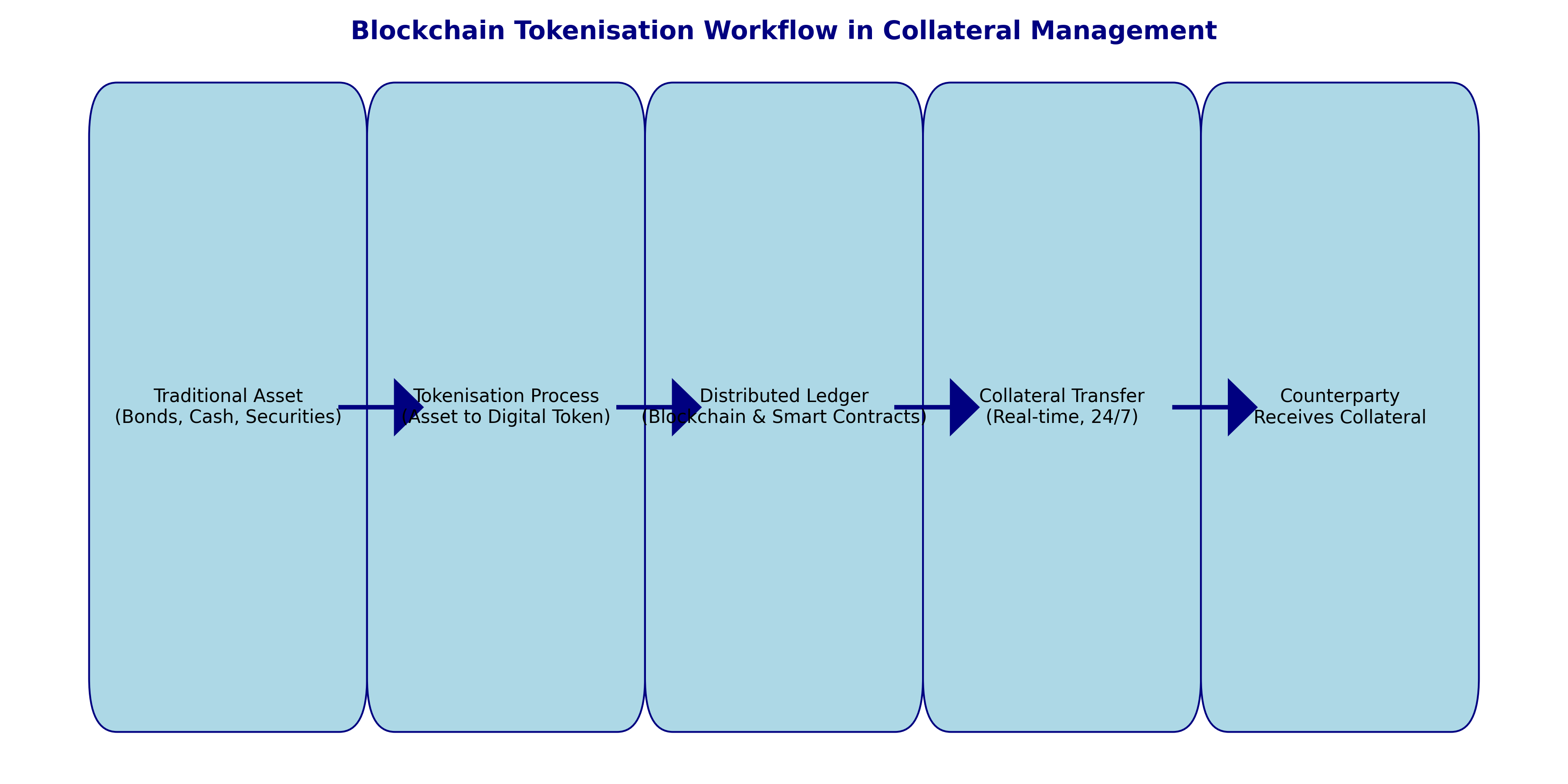
Executing a tokenized climate derivative requires connecting a compliant digital wallet to a regulated trading platform. Unlike spot markets, these trades involve complex settlement mechanics where the transfer of ownership is tied to the movement of tokens on a blockchain. This section walks through the mechanics of buying or selling, focusing on the finality of the settlement and how ownership is verified.
Begin by connecting a self-custody wallet that supports the specific blockchain network hosting the derivative (e.g., Ethereum, Polygon, or a specialized L2). Ensure the wallet is funded with the required stablecoin (usually USDC or USDT) and has passed any necessary KYC/AML checks required by the platform. This wallet acts as your digital identity and settlement account.
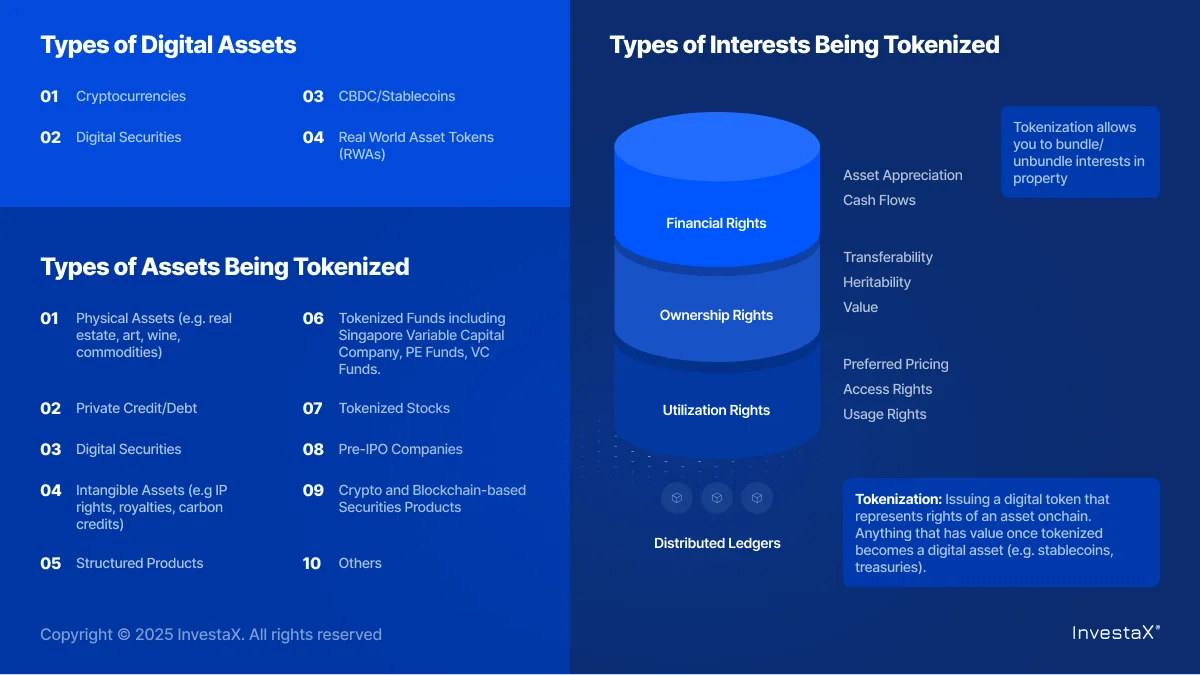
Navigate to the derivatives market and select the specific climate contract. Verify the underlying asset (e.g., verified carbon credits, renewable energy certificates), the expiration date, and the settlement currency. Tokenized derivatives often trade in standardized lots, so confirm the lot size matches your hedging or speculative needs before placing an order.
Execute the trade via a limit or market order. The smart contract locks your funds and matches the order with a counterparty. Unlike traditional exchanges, the matching engine often relies on decentralized liquidity pools or order books secured by zero-knowledge proofs to maintain privacy while ensuring solvency. The trade is recorded on-chain immediately upon execution.

Settlement occurs automatically when the contract expires or when you choose to exercise early. The smart contract transfers the underlying tokenized asset (e.g., the carbon credit token) to your wallet and releases the stablecoins to the seller. This on-chain transfer is the legal proof of ownership, replacing traditional paper certificates or centralized ledger entries.
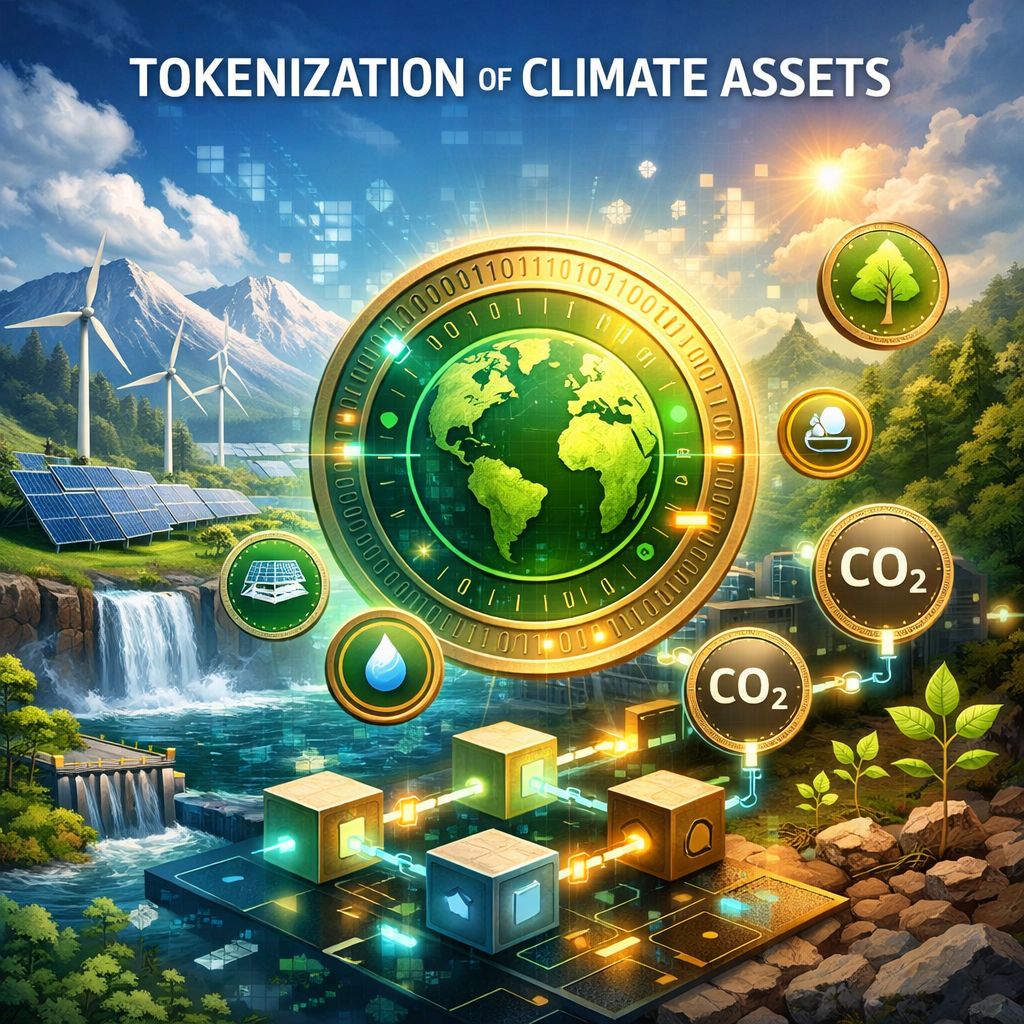
Finally, verify that the tokenized derivative corresponds to the official climate registry (such as Verra or Gold Standard). Some platforms automatically burn the underlying asset upon settlement to prevent double-counting, while others transfer the claim. Check the platform’s dashboard to ensure the retirement or transfer status is updated in the public registry, completing the legal chain of custody.
The key to successful execution is understanding that the "trade" is not complete until the on-chain settlement is verified against the external climate registry. This dual-layer verification ensures that the digital token accurately represents the real-world environmental benefit or liability it claims to hedge.
Audit for double counting risks
Double counting occurs when the same carbon reduction is claimed by multiple parties—whether as a voluntary offset, a regulatory compliance unit, or a financial derivative. In tokenized climate derivatives, this risk is amplified because the underlying asset moves across jurisdictions and ledgers. Your primary task is to verify that the token has not been previously claimed, retired, or transferred in a way that violates the integrity of the underlying credit.
Start by examining the token’s lifecycle on the blockchain. Unlike traditional paper credits, tokenized assets leave an immutable trail. You need to trace the minting event to confirm the original issuance source matches the registry’s official records. If the token was minted from a retired credit or a duplicate entry, the derivative is invalid. Check for any "burn" events that might indicate premature retirement or unauthorized transfer. This audit is not just about technical verification; it is about ensuring the environmental integrity of the derivative you are trading.
Cross-reference the token ID with the official registry where the underlying credit was issued. Registries like the Verra VCS or Gold Standard maintain public databases of all issued and retired credits. If the token’s metadata does not align with the registry’s status, treat it as a high-risk asset. Look for discrepancies in the vintage year, project location, or methodology. These mismatches are often red flags for double counting or fraud.
Finally, review the smart contract’s ownership and transfer rules. Some contracts allow for fractional ownership or complex transfer mechanisms that can obscure the final holder. Ensure that the contract prevents the same token from being used as collateral in multiple derivatives simultaneously. If the contract lacks these safeguards, the risk of double counting increases significantly. Always prioritize derivatives with transparent, auditable smart contracts that enforce single-use rules for the underlying carbon credit.
Finalize ESG compliance reporting
Documenting the transaction ensures your tokenized climate derivatives count toward verified net-zero targets. This step bridges the gap between blockchain activity and corporate sustainability disclosures. Without proper documentation, these assets remain invisible to auditors and regulators.
Pre-submission checklist
Before filing, verify that your records meet the following standards:
-
Transaction hashes are linked to specific offset retirement certificates.
-
Carbon credit vintage and retirement date are clearly stated.
-
Smart contract audit reports are attached to the compliance file.
-
Internal approval workflows are logged and timestamped.
Common questions about tokenized derivatives
Trading tokenized climate derivatives requires navigating a regulatory framework that is still maturing. Unlike traditional futures, these assets sit at the intersection of environmental standards and digital securities law. The following questions address the primary operational and compliance hurdles traders face in 2026.
No comments yet. Be the first to share your thoughts!