
Verify carbon credit eligibility
Before trading tokenized climate derivatives, you must ensure the base asset meets rigorous regulatory and verification standards. Tokenization digitizes existing, verified assets; it does not create value from thin air. If the underlying carbon credit is flawed, the derivative built on top of it is compromised. This section outlines the essential checks to ensure asset integrity before it enters the blockchain.
Confirm registry alignment
The first step is verifying that the tokenized asset corresponds to a legitimate carbon credit held in a recognized registry. Major standards include Verra and Gold Standard, which maintain strict protocols for issuance, trading, and retirement. You must ensure the registry holding the physical credit matches the tokenized representation. A mismatch here creates a risk of double-counting, where the same carbon reduction is claimed by multiple parties. This alignment is the foundational layer of trust in tokenized derivatives.
Validate vintage and additionality
Not all carbon credits are created equal. Check the "vintage" of the credit, which indicates the year the emission reduction occurred. Older credits may have different market values or regulatory acceptances than recent ones. More importantly, verify the "additionality" of the project. Additionality ensures that the emission reduction would not have happened without the revenue from the carbon credit. Projects that are legally required to reduce emissions, such as certain waste management facilities, often lack additionality and are less desirable for high-integrity trading.
Check for retirement status
Ensure the credits have not already been retired. Once a carbon credit is retired, it is removed from circulation to claim the offset. Trading a retired credit is fraud. On-chain verification helps, but you must cross-reference the token ID with the off-chain registry to confirm its active status. This dual verification process prevents the circulation of "zombie" tokens that represent no real-world environmental benefit.
Review project type and methodology
Different carbon removal projects use different methodologies. Forestry projects, for example, face higher risks of reversal due to fires or logging compared to direct air capture technologies. Understand the specific methodology used by the project issuer. This knowledge helps you assess the long-term stability of the credit. High-integrity projects often have higher verification costs, which may be reflected in the price, but they offer greater protection against regulatory changes or reputational damage.
Assess regulatory compliance
Regulatory landscapes for carbon markets are evolving rapidly. In 2026, jurisdictions like the EU and Singapore have introduced stricter rules on carbon credit tokenization. Ensure the credit complies with the regulations of the jurisdiction where the derivative is being traded. Non-compliant assets may be frozen or deemed invalid, leading to significant financial loss. Stay updated on local environmental laws and international agreements that impact carbon credit validity.
Choose a compliant trading venue
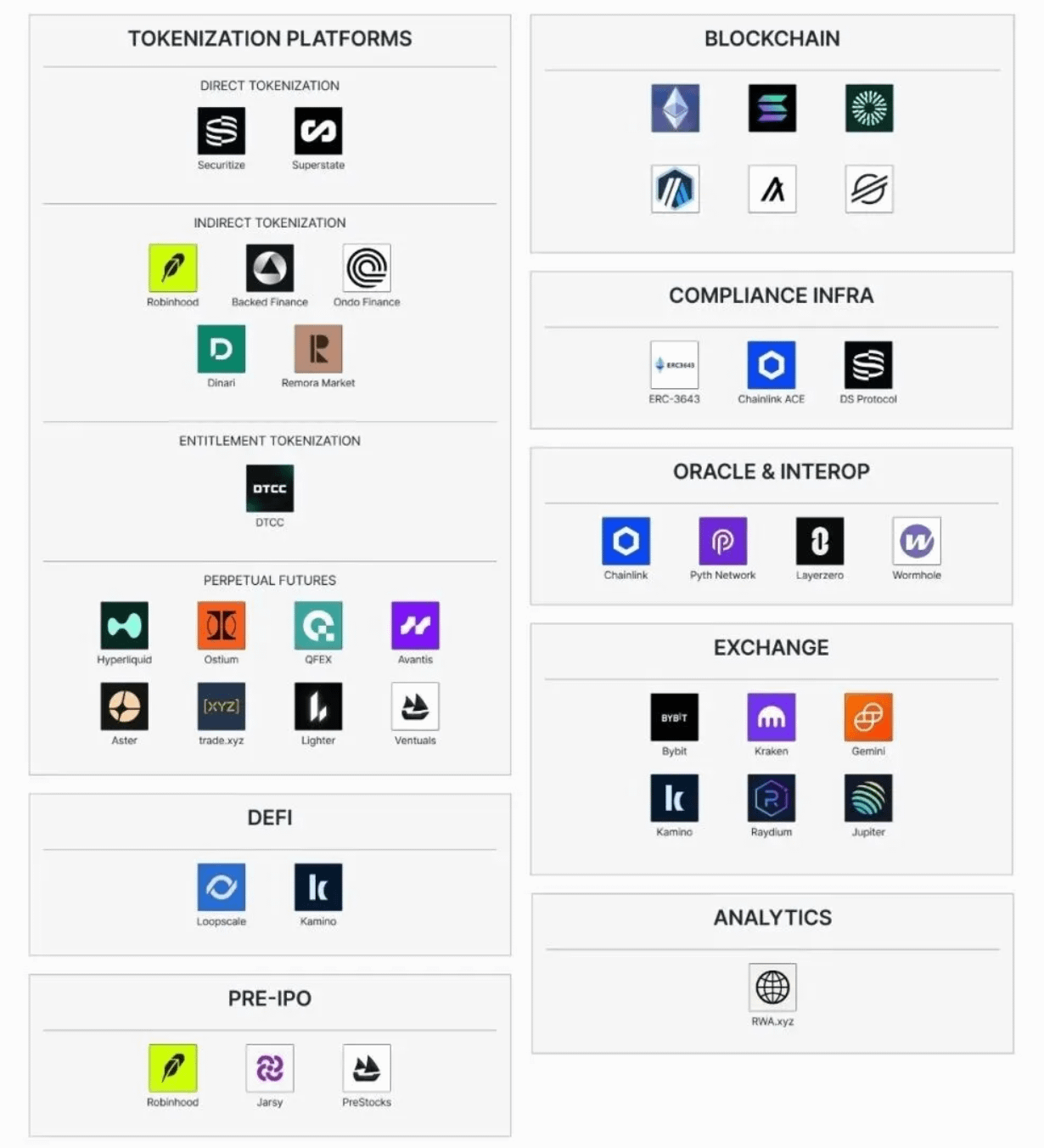
Selecting the right platform is the first step in trading tokenized climate derivatives. Your choice dictates how much liquidity you can access, how much regulatory overhead you must manage, and whether your trades are legally enforceable. The market splits into two distinct categories: regulated exchanges and decentralized platforms.
Regulated exchanges
Regulated platforms, such as those overseen by the SEC or EU MiCA frameworks, offer the highest level of compliance. These venues require strict Know Your Customer (KYC) and Anti-Money Laundering (AML) checks. This structure provides legal recourse if a counterparty defaults, but it often results in lower liquidity for niche climate assets and higher fees for retail traders.
Decentralized exchanges (DEXs)
Decentralized exchanges operate on public blockchains without central oversight. They offer higher anonymity and often lower transaction fees. However, they lack investor protections. If a smart contract is exploited or the underlying carbon credit registry fails, you have no regulatory body to appeal to. Liquidity can also be fragmented across multiple chains.
| Feature | Regulated Exchanges | Decentralized Exchanges (DEXs) |
|---|---|---|
| KYC/AML | Mandatory | Optional / None |
| Liquidity | Fragmented, lower volume | Deep pools, high volatility |
| Fees | Higher (compliance costs) | Lower (gas + protocol fees) |
| Legal Recourse | Available | None |
| Asset Access | Curated, compliant tokens | Wide range, unverified tokens |
Before tokenizing or trading climate derivatives, you must confirm that the carbon credits meet current regulatory standards. A compliant venue ensures that the token you hold is a true digital twin of a verified offset, rather than a speculative asset with no real-world backing.
Execute the tokenized trade
Trading tokenized climate derivatives requires bridging traditional finance verification with blockchain execution. Unlike spot crypto, these assets represent verified carbon dioxide equivalent (CO2e) removal or avoidance, meaning the trade must settle against on-chain proof of registry backing. The process is linear: prepare your wallet, select the contract, execute the swap, and confirm settlement.
Start by connecting a non-custodial wallet that supports the specific blockchain network where the derivative is issued (e.g., Ethereum, Polygon, or XRP Ledger). Ensure your wallet holds sufficient native gas tokens for transaction fees. For tokenized carbon credits, verify that your wallet interface can display ERC-20 or equivalent tokens, as these act as the "digital twins" of the underlying offsets held in registries like Verra or Gold Standard.
Navigate to a decentralized exchange (DEX) or specialized climate finance platform listing the specific climate derivative. Identify the contract address to avoid phishing sites. Review the underlying asset specifications: check the vintage year of the carbon credits, the certification body, and the expiration date of the derivative. Tokenized derivatives derive value from these underlying physical or financial assets, so precision in contract selection is critical.
Input the amount of climate derivative tokens you wish to trade. Review the price impact and slippage tolerance settings. Unlike liquid Bitcoin pairs, climate derivatives may have lower liquidity, so higher slippage can significantly affect your entry price. Confirm the transaction in your wallet. The smart contract will automatically match your order against available liquidity pools or other traders.
Once the transaction is confirmed on-chain, verify that the tokens have appeared in your wallet. For tokenized carbon credits, check the platform’s registry link to ensure the ownership has been transferred from the seller to your wallet address. This step confirms that the "digital twin" has moved, mirroring the traditional registry transfer. Keep a record of the transaction hash for audit purposes.
Audit for double counting risks
Before executing a trade, you must verify that the tokenized derivative accurately reflects the asset’s status. The primary risk in tokenized climate finance is double counting, where the same emission reduction is claimed by multiple parties or retired twice. If the offset has already been retired in a traditional registry like Verra or Gold Standard, the corresponding token should be burned or marked as invalid.
Follow this sequence to audit the asset’s integrity:
- Verify Registry Status: Check the underlying asset’s serial number in the official registry (e.g., Verra, Gold Standard) to confirm it has not been retired or transferred elsewhere. Use the registry’s public lookup tool.
- Check On-Chain State: Inspect the token’s smart contract state. Ensure the token is not locked in a liquidity pool or staking contract that might obscure its true ownership or retirement status.
- Cross-Reference Tokenomics: Confirm that the total supply of tokens matches the verified volume of offsets. A mismatch may indicate unauthorized minting or lack of 1:1 backing.
- Review Retirement Proof: If the asset is already retired, ensure the token is burned or has a "retired" flag set. Never trade a token that represents an offset already claimed by another party.
-
Verify underlying offset serial number in official registry (Verra/Gold Standard)
-
Confirm token is not locked in staking or liquidity contracts
-
Check total token supply matches verified offset volume
-
Ensure token is burned or flagged if underlying offset is already retired
Failure to perform these checks can result in significant financial loss and reputational damage. As noted by the Global Digital Finance, tokenization aims to provide transparency, but this only holds if the link between the digital token and the physical asset is rigorously maintained.
Common questions about tokenized derivatives
Addressing frequent questions about tokenized climate derivatives clarifies how these assets function and where they sit in the broader financial ecosystem. Understanding the mechanics helps traders distinguish between speculative tokens and regulated financial instruments backed by real-world climate data.
No comments yet. Be the first to share your thoughts!