
Verify carbon credit eligibility
Before you tokenize or trade tokenized climate derivatives, you must confirm that the carbon credits meet current regulatory standards. Tokenized climate derivatives are financial instruments backed by verified carbon offsets or weather data, not speculative tokens. This distinction matters because regulators are increasingly scrutinizing the integrity of the assets behind these derivatives.
Start by checking the registry where the credits originate. Major registries like Verra or Gold Standard have updated their rules to prevent double-counting and ensure additionality. If a credit hasn't been formally retired or transferred to a compliant ledger, it cannot serve as collateral for a derivative contract.
Next, verify the vintage year. Most jurisdictions now require recent emission reductions—often within the last five years—to count toward compliance targets. Older credits may still hold value for voluntary markets, but they are likely ineligible for regulated derivative structures.
Finally, ensure the credit type aligns with the derivative's underlying asset. For example, a weather derivative might rely on historical data, while a carbon offset derivative requires active, verified removal or avoidance. Mismatched assets can lead to liquidity issues or regulatory penalties.
Use official registry databases and legal counsel to validate each credit. This due diligence protects you from holding assets that regulators deem non-compliant, which could freeze your positions or trigger margin calls.
Select a compliant trading venue
Choosing the right platform for trading tokenized climate derivatives depends on your jurisdiction and risk tolerance. You must decide between regulated exchanges and decentralized platforms based on compliance requirements and liquidity needs.
Regulated Exchanges
Regulated venues like ICE and Xpansiv offer institutional-grade compliance. These platforms are backed by established financial infrastructure and adhere to strict regulatory standards. They are ideal for organizations that need to navigate complex legal frameworks and require audit trails for carbon credits or weather data derivatives.
Decentralized Platforms
Decentralized platforms provide greater accessibility and lower barriers to entry. They operate on blockchain networks, allowing for peer-to-peer trading without traditional intermediaries. While they offer flexibility, they may lack the same level of regulatory oversight, making them suitable for traders who prioritize autonomy over institutional compliance.
| Feature | Regulated Exchanges | Decentralized Platforms |
|---|---|---|
| Compliance | Strict regulatory adherence | Variable, often self-custody |
| Liquidity | High, institutional depth | Moderate, retail-driven |
| Accessibility | Restricted by jurisdiction | Global, open access |
| Transparency | Audit trails, verified data | On-chain, real-time |
| Feature | Regulated Exchanges | Decentralized Platforms |
|---|---|---|
| Compliance | Strict regulatory adherence | Variable, often self-custody |
| Liquidity | High, institutional depth | Moderate, retail-driven |
| Accessibility | Restricted by jurisdiction | Global, open access |
| Transparency | Audit trails, verified data | On-chain, real-time |
Execute the tokenized trade
Executing a trade in tokenized climate derivatives requires precision and strict adherence to compliance protocols. Unlike spot markets, these instruments are bound by regulatory frameworks that dictate how carbon credits are verified and settled. You must treat the execution phase as a legal transaction as much as a financial one.
Follow this sequence to execute your first tokenized trade on a compliant platform.
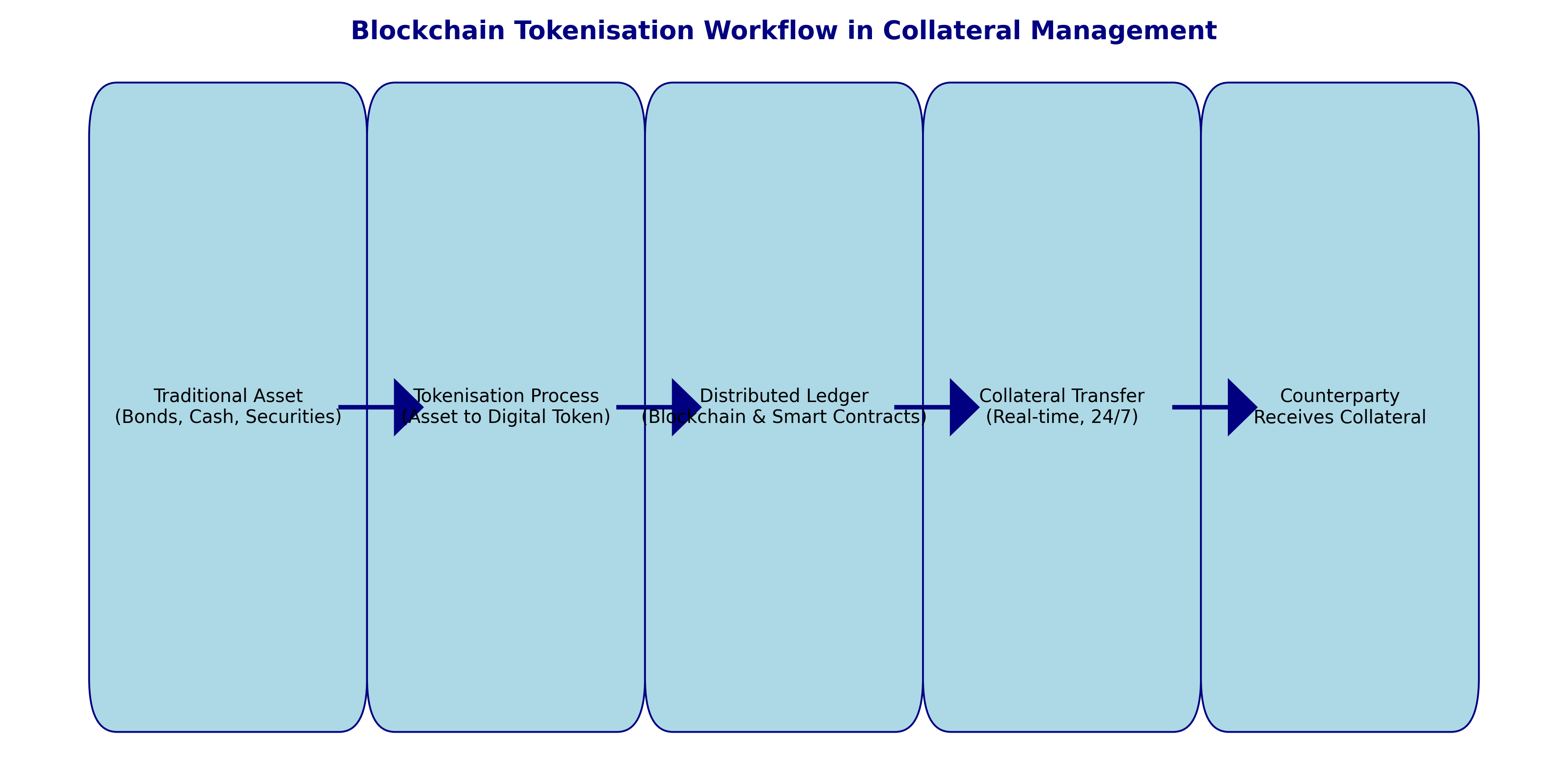
Before placing an order, confirm that the carbon credits meet current regulatory standards. Platforms like TokenizedClimateDerivatives require proof that the credits are retired or held in compliance with recognized registries. Trading non-compliant tokens exposes you to counterparty risk and potential regulatory penalties.
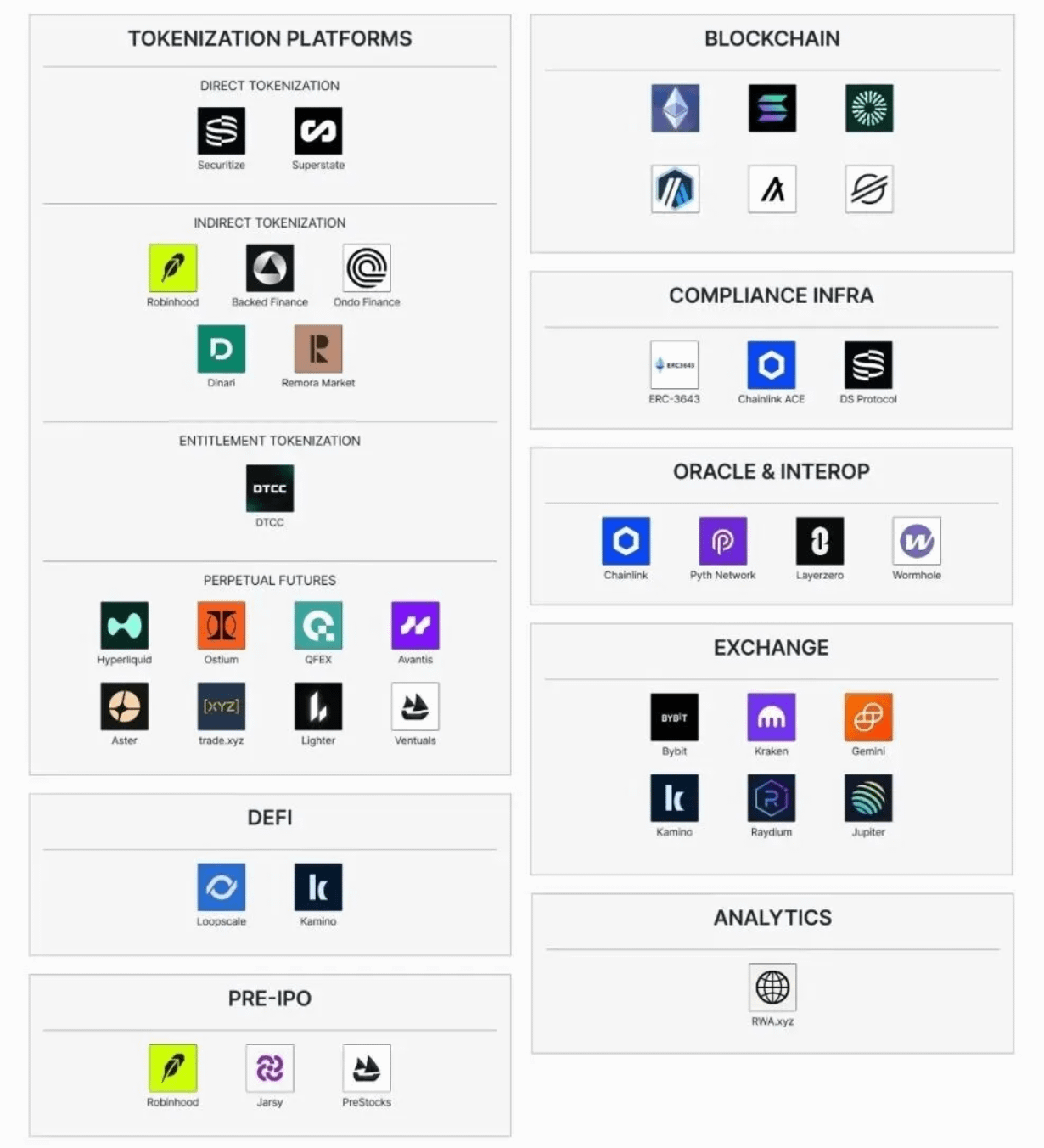
Link a wallet that supports the specific blockchain network of the derivative platform. Ensure the wallet is KYC-verified if the platform requires identity checks for derivative trading. This step is critical for legal traceability and preventing illicit flows in the carbon market.
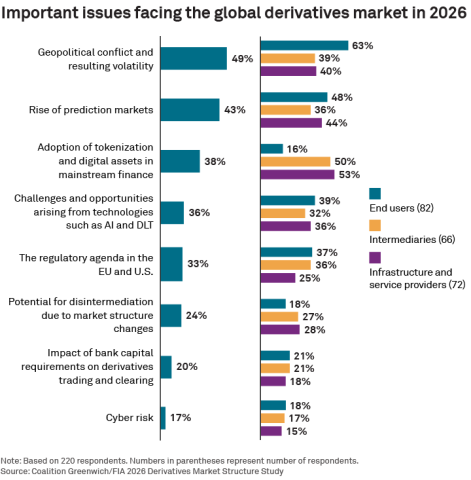
Choose between carbon offset futures or renewable energy certificates (RECs). Review the contract specifications, including the delivery date, underlying asset type, and settlement method. Ensure the contract aligns with your hedging or investment strategy and that you understand the margin requirements.
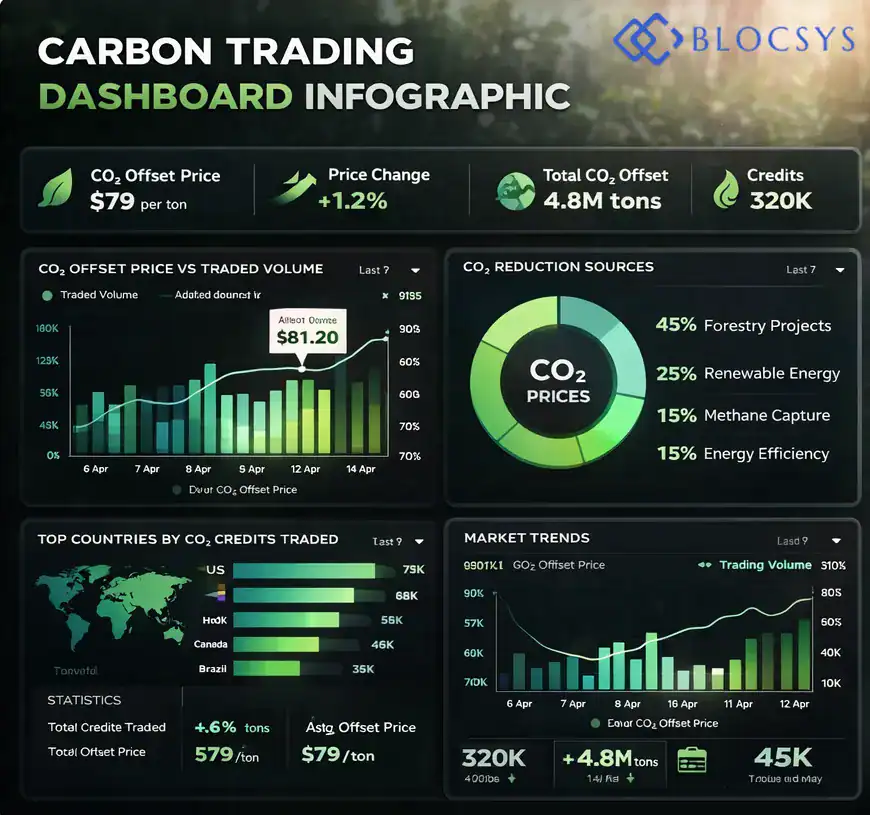
Submit your buy or sell order through the platform’s interface. Monitor the trade status closely as it moves from execution to settlement. Settlement may involve the transfer of tokenized credits or cash equivalent, depending on the contract terms. Confirm receipt of assets in your wallet once the transaction is finalized.
Audit for double counting risks
Before tokenizing or trading climate derivatives, you must confirm that the carbon credits meet current regulatory standards. Double counting occurs when the same emission reduction is claimed by more than one entity—typically both the seller and the buyer, or the seller and the registry itself. In the tokenized climate derivatives market, this risk is amplified because blockchain’s immutable ledger can permanently record a credit that has already been retired or transferred elsewhere. To prevent this, your audit process must verify the unique serial number of each credit against global registries before it is minted into a token.
Verify registry status and retirement
The first step in your audit is to check the status of the carbon credits in their originating registry. Registries like Verra or the Gold Standard maintain the definitive record of issuance and retirement. You need to ensure that the credits have not been previously retired for voluntary claims or regulatory compliance. If a credit is marked as "available" in the registry but has already been tokenized and sold, it is a candidate for double counting. Use the registry’s public lookup tool to confirm the serial numbers match the batch you are auditing.
Check for cross-market claims
Next, verify that the credits have not been used to satisfy compliance obligations in another jurisdiction. Some carbon markets allow credits to be used for both voluntary and compliance purposes, but only once. If a credit was used to meet a national emissions target, it cannot be sold as a voluntary offset or tokenized derivative. Cross-referencing with national registries and international transaction logs is essential. This step ensures that the environmental integrity of the derivative is not compromised by prior use.
Implement on-chain retirement proofs
Finally, establish a mechanism for on-chain retirement proofs. When a tokenized climate derivative is retired, the smart contract should automatically record the retirement event on the blockchain. This creates a transparent, immutable audit trail that prevents future double spending. Ensure that your platform’s smart contracts are designed to interact with registry APIs, updating the token’s status in real time. This technical integration is critical for maintaining trust in the tokenized climate derivatives market.
Verification Checklist
-
Confirm credit serial numbers in the originating registry (e.g., Verra, Gold Standard).
-
Verify that credits are not marked as "retired" or "cancelled" in the registry.
-
Check for prior use in compliance markets or other voluntary schemes.
-
Ensure smart contracts update token status upon retirement.
-
Document all audit steps for regulatory review.
No comments yet. Be the first to share your thoughts!