
How tokenized climate derivatives work
Tokenized climate derivatives turn weather risk and carbon offsets into digital assets that trade on blockchains. This structure removes the middlemen that traditionally slowed down settlement and raised costs for small players. Instead of waiting weeks for paper contracts to clear, you get instant visibility into pricing and liquidity.
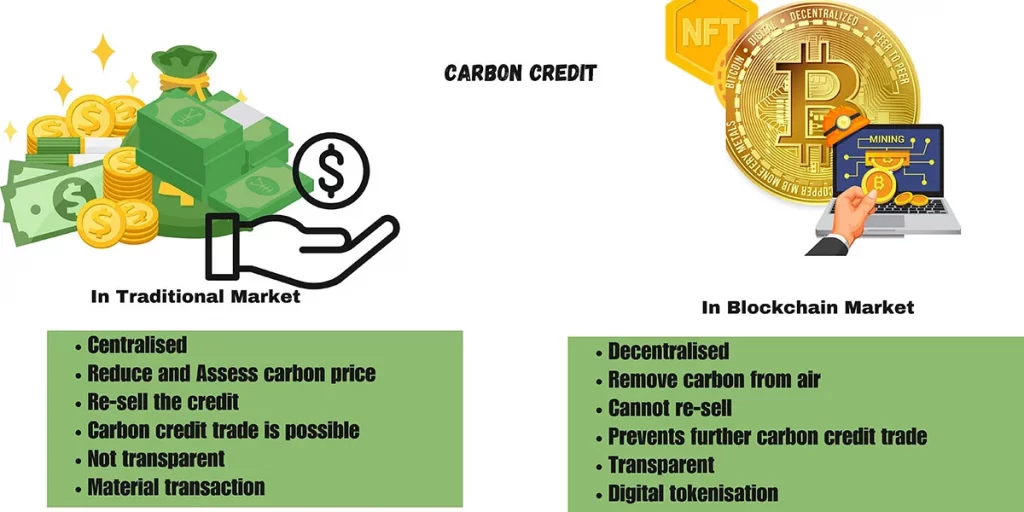
The process starts with a standard contract. A farmer in Brazil might buy a token linked to rainfall levels in their region, while a tech company in Germany buys a carbon credit token representing one ton of CO2. These tokens are minted on a blockchain, creating a transparent record of ownership and terms.
Once tokenized, these assets move into secondary markets. You can trade them instantly, just like stocks or crypto. This liquidity allows anyone with a digital wallet to hedge against climate risk or invest in carbon reduction, rather than limiting these tools to large institutional banks. The result is a market that is faster, cheaper, and accessible to a much wider audience.
Tokenized climate derivatives choices that change the plan
Tokenized climate derivatives promise to fix the illiquidity of carbon markets, but they introduce distinct operational risks. Unlike traditional weather derivatives, which settle based on standardized index triggers like heating degree days, tokenized carbon instruments rely on the integrity of the underlying registry and the blockchain’s smart contract logic.
When evaluating these instruments, you must weigh liquidity against verification latency. A tokenized credit may trade instantly on a secondary market, but if the underlying registry has not yet retired the credit or if the smart contract has a flaw in its oracle data feed, the settlement can fail. This section breaks down the concrete factors you should audit before allocating capital.
Smart Contract and Oracle Reliability
Tokenized derivatives depend entirely on code. If the smart contract governing the derivative has a bug, or if the oracle feeding price or verification data to the chain is manipulated, the derivative becomes worthless. Traditional weather derivatives avoid this by using independent, third-party indices like the Chicago Mercantile Exchange (CME) or ECMWF data, which are audited and regulated. You must verify that the tokenized platform uses a decentralized oracle network rather than a single point of failure.
Liquidity and Market Depth
Carbon markets are historically fragmented. While tokenization allows for fractional ownership, increasing accessibility, the secondary market for these tokens often lacks the depth of traditional weather markets. A traditional weather derivative on the CME has institutional market makers ensuring tight spreads. In contrast, a tokenized carbon credit might sit idle on a decentralized exchange with wide bid-ask spreads. Evaluate the daily trading volume and the number of active liquidity pools for any tokenized instrument you consider.
Regulatory and Registry Alignment
The value of a tokenized carbon credit is only as good as the registry backing it (e.g., Verra, Gold Standard). If the registry delays retirement or changes its rules, the token’s value collapses. Traditional weather derivatives are financial contracts not tied to physical asset registries, reducing this specific operational risk. Ensure the tokenized platform has a clear legal bridge between the blockchain token and the off-chain registry rights.
Technical Market Context
Understanding the broader market sentiment is essential when trading climate derivatives. Volatility in crypto markets often spills over into tokenized asset classes, affecting liquidity and pricing efficiency. Use technical analysis to gauge entry and exit points, especially when the underlying asset is correlated with broader crypto trends.
How to build a tokenized climate derivative strategy
Tokenized climate derivatives are shifting from niche institutional tools to accessible digital assets. By converting carbon credits and weather risk into blockchain tokens, these instruments unlock liquidity that was previously locked in fragmented, opaque markets.
This guide outlines the practical steps to structure, verify, and trade these derivatives. The focus is on operational clarity—ensuring that the underlying asset matches the digital representation and that settlement triggers are unambiguous.
Identify the specific climate variable you need to hedge. Weather derivatives typically track measurable indices like heating degree days, rainfall levels, or wind speed. Carbon derivatives track verified emission reductions. Clear definitions prevent basis risk, where the hedge fails to offset the actual loss.
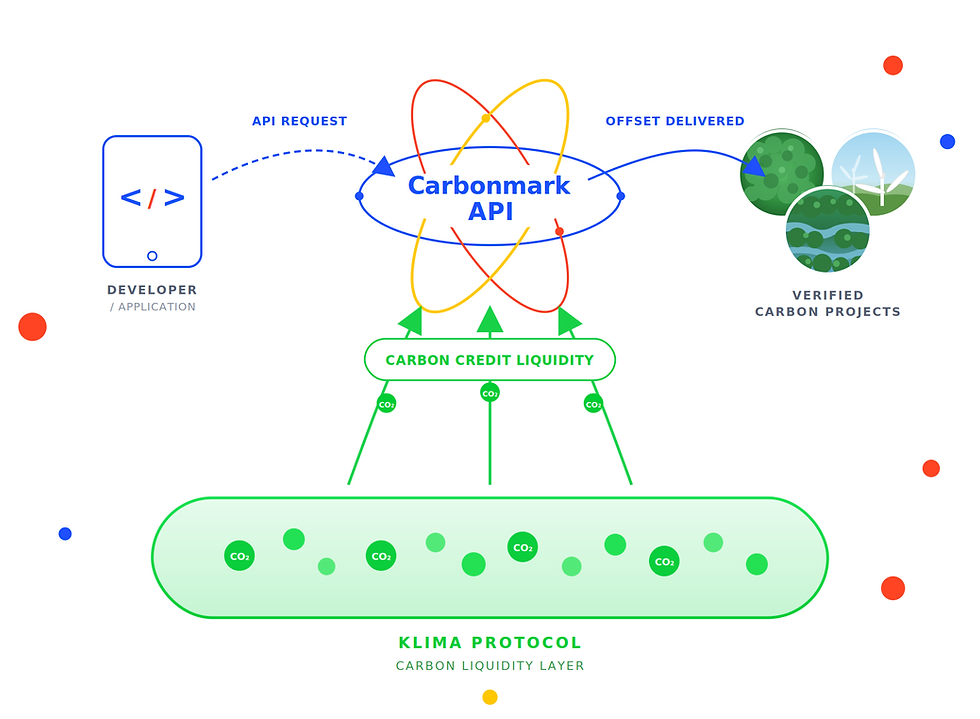
For carbon credits, ensure the token is backed by a recognized registry like Verra or Gold Standard. Each token should represent exactly one metric ton of CO₂ equivalent. Without this link, the derivative is a speculative contract with no physical or environmental backing.
Avoid subjective loss assessments. Use derivatives settled against independent meteorological data, such as the enwex index powered by ECMWF forecasts. This removes counterparty risk and ensures payouts are automatic and mathematically verified.
Select a blockchain platform that supports the specific token standard (ERC-20 or ERC-1155) and offers sufficient liquidity. Compare transaction fees and slippage rates. Higher liquidity reduces the cost of entering and exiting positions.
Climate derivatives are subject to evolving financial and environmental regulations. Ensure the tokenized asset complies with local securities laws and environmental reporting standards. Non-compliance can freeze assets or invalidate hedges.
Watch for misleading claims in climate derivatives
Tokenized carbon credits and weather derivatives promise liquidity, but the market is rife with weak options that trap retail investors. The primary keyword cluster here is "tokenized climate derivatives," and understanding where they fail is as important as knowing how they work. You need to separate the regulatory reality from the marketing hype.
Mistake #1: Ignoring Registry Verification
Many platforms claim to tokenize carbon credits without linking to official registries like Verra or Gold Standard. A token is only as good as the underlying asset. If the platform doesn't provide a verifiable link to the retirement of the credit on the registry, you are holding a speculative token, not a climate asset. Always check the smart contract for registry API integration.
Mistake #2: Overlooking Settlement Mechanics
Weather derivatives are often marketed as "simple," but settlement complexity is a common trap. As noted by TP ICAP, these instruments hedge against variability, not just absolute weather. Ensure the derivative uses a transparent index, such as the enwex index powered by ECMWF forecasts. Avoid platforms that rely on opaque, proprietary data sources that cannot be independently audited.
Mistake #3: Assuming Full Liquidity
Tokenization does not automatically equal liquidity. Many climate derivative tokens suffer from thin order books. Unlike traditional futures, these markets are fragmented. Before investing, check the trading volume on secondary markets. If the spread is wide or volume is near zero, you may not be able to exit your position without significant slippage.
Mistake #4: Confusing Hedges with Speculation
Weather derivatives are designed for hedging, not gambling. Farmers and theme parks use them to insure against rain or temperature shifts. Retail traders often treat them as directional bets, ignoring the basis risk. If you are not hedging a real-world exposure, you are taking on unnecessary risk. Ensure your strategy aligns with the derivative's actual purpose.
Mistake #5: Skipping Regulatory Checks
Climate derivatives exist in a regulatory gray area in many jurisdictions. Some platforms operate without proper licenses, exposing investors to fraud. Verify that the platform complies with local securities laws. If the platform is unregulated, you have no recourse in case of disputes or insolvency.
Proof checks before you invest
Before committing capital, verify the platform's transparency. Look for published audit reports, clear settlement data, and active community engagement. Avoid platforms that promise guaranteed returns or hide their operational details. The market is evolving, but due diligence remains your best protection against weak options.
Tokenized climate derivatives: what to check next
Before committing capital to tokenized climate derivatives, it helps to separate the underlying mechanics from the blockchain wrapper. The token itself is just a digital receipt; the value comes from how the contract settles based on objective weather or carbon data. Below are the most common practical objections readers raise before entering this market.
No comments yet. Be the first to share your thoughts!