
What tokenized climate derivatives actually are
Tokenized climate derivatives are smart contracts that pay out based on specific weather or carbon metrics, such as temperature thresholds or rainfall levels. Instead of trading physical commodities, participants trade financial exposure to climate events. This structure replaces opaque, paper-based agreements with transparent, on-chain logic that executes automatically when data oracles confirm the outcome.
The primary appeal is accessibility. Traditional weather derivatives, like those offered by TP ICAP, often require institutional credit lines and complex legal frameworks. Tokenization lowers the barrier to entry, allowing smaller entities to hedge risk without navigating legacy banking systems. It transforms climate risk from a niche institutional product into a liquid, programmable asset.
Who buys these derivatives?
The buyer base is diverse, driven by the need to hedge against physical climate risk. Farmers use them to protect against droughts or excessive rain that could destroy crops. Theme parks hedge against rainy weekends during peak seasons, while energy traders manage demand spikes caused by extreme heat or cold.
This democratization means that a small agricultural cooperative can now access the same hedging tools previously reserved for global energy giants. By tokenizing the contract, the market becomes more efficient, with pricing reflecting real-time climate data rather than historical averages alone.
Tokenized climate derivatives choices that change the plan
Tokenized climate derivatives offer liquidity and transparency, but they introduce specific structural and market risks that traditional over-the-counter (OTC) contracts do not. When evaluating these instruments, you must weigh the efficiency of blockchain settlement against the complexity of oracle dependencies and the immaturity of secondary markets.
The following comparison breaks down the concrete factors to consider when moving from traditional weather or carbon derivatives to their tokenized counterparts.
| Factor | Traditional OTC | Tokenized Derivatives | Tradeoff |
|---|---|---|---|
| Liquidity | Low; bilateral negotiation required | High; fractional ownership and 24/7 trading | Tokenization opens the market to smaller players. |
| Counterparty Risk | High; reliance on creditworthiness | Reduced; smart contracts automate settlement | Code replaces credit checks, but oracle risk remains. |
| Transparency | Opaque; private bilateral terms | Public; immutable on-chain records | Auditable performance, but less privacy for traders. |
| Settlement Speed | T+2 or longer; manual reconciliation | T+0; automated via smart contracts | Capital is freed up faster for reinvestment. |
| Oracle Dependency | Low; relies on established indices | High; depends on data feed accuracy | Garbage in, garbage out; critical failure point. |
The most significant tradeoff lies in the oracle risk. In traditional derivatives, payouts are based on well-established indices (like HDD/CDD for weather). In tokenized versions, the smart contract must fetch this data from an external oracle. If the oracle is manipulated or fails to report, the derivative may pay out incorrectly or not at all. This is a technical risk that does not exist in standard OTC agreements.
Additionally, while tokenization democratizes access, it may dilute the specialized expertise that drives pricing efficiency in niche climate markets. Traditional desks rely on deep relationships and proprietary models. Tokenized markets rely on public liquidity, which can lead to volatility disconnected from fundamental climate realities during low-volume periods.
Before committing capital, verify the oracle provider’s track record and the smart contract’s audit history. These are not just technical details; they are the foundation of your counterparty safety in a decentralized environment.
How to choose the right climate derivative
Tokenized climate derivatives turn abstract weather risks into tradable assets. This shift lowers the barrier to entry, allowing smaller entities to hedge against climate volatility. However, navigating this market requires a structured approach to match your specific risk profile with the correct contract type.
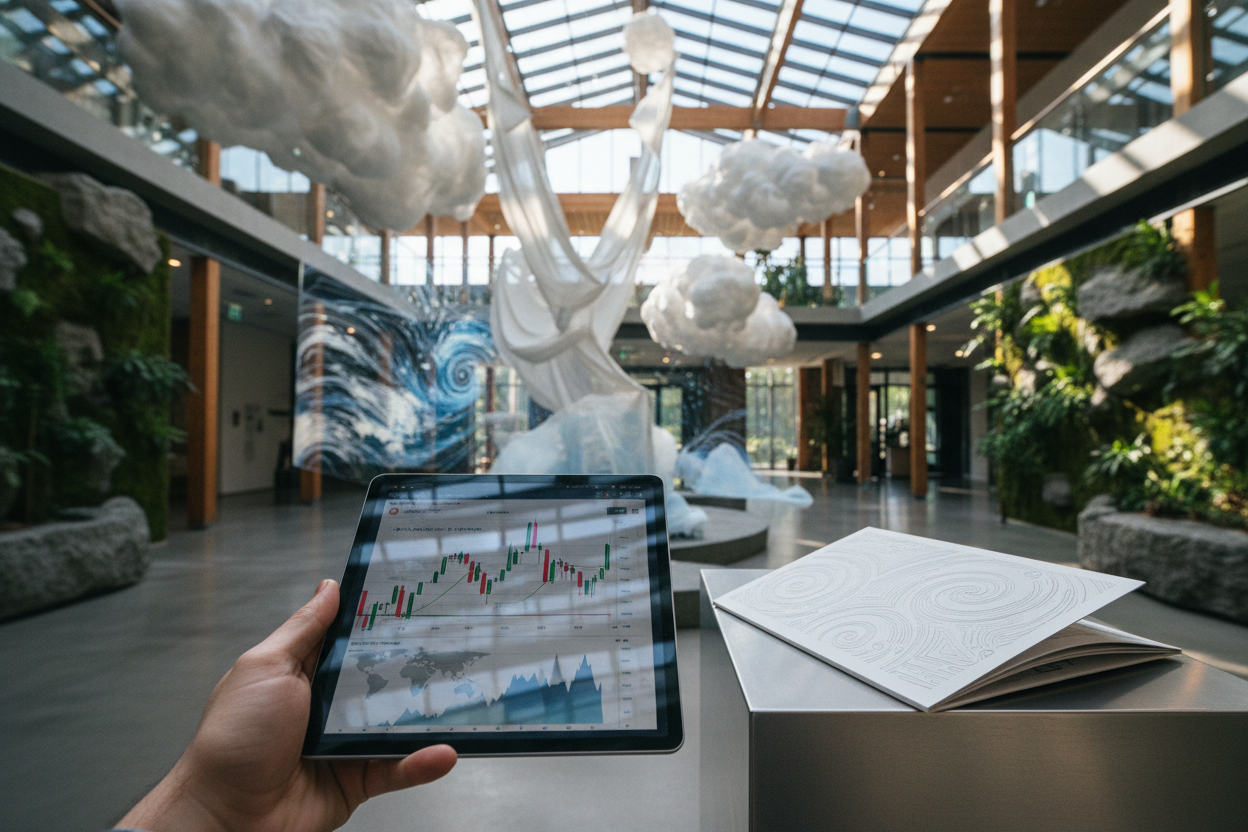
Start by identifying the specific climate variable that threatens your operations. Agriculture producers might track rainfall or temperature to protect against crop failure, while energy firms often hedge against heating degree days or cooling demand. Precision here is critical; a mismatch between your physical exposure and the derivative’s trigger renders the hedge useless.
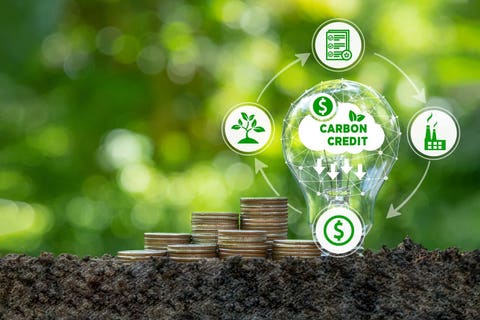
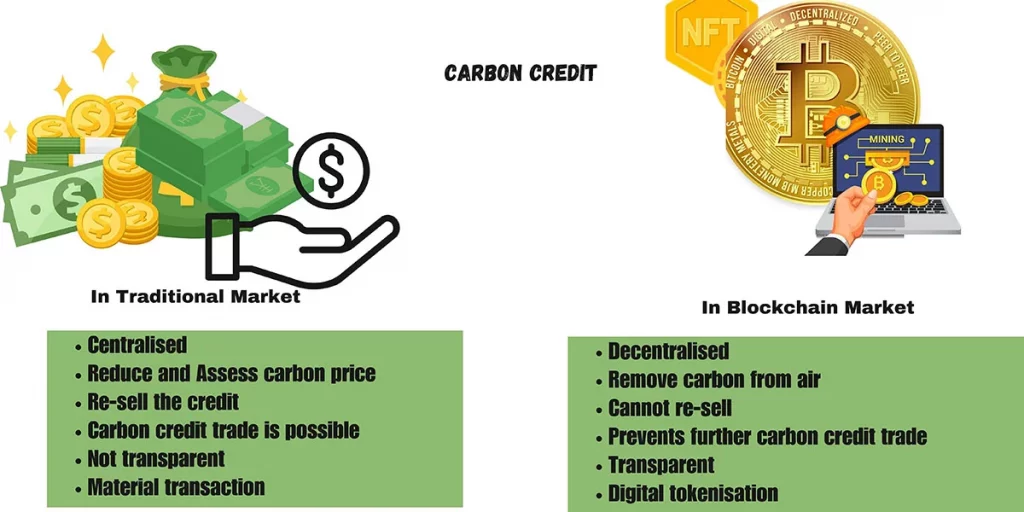
Choose between weather derivatives for immediate operational hedging and carbon credits for long-term regulatory compliance. Weather derivatives, such as those developed by VivoPower and KWeather, pay out based on specific metrics like temperature thresholds. Carbon credits, conversely, represent verified reductions in emissions and are often used to meet ESG targets or offset scopes 1 and 2 emissions.
Tokenized contracts rely on oracle data to trigger payouts. Ensure the platform uses reputable meteorological data providers, such as TP ICAP’s weather desk or recognized global weather services. Transparent, tamper-proof data feeds are essential to prevent basis risk, where the hedge fails to correlate with actual physical losses due to flawed reporting.
Unlike traditional OTC derivatives, tokenized assets trade on public or permissioned ledgers. Evaluate the depth of the order book to ensure you can enter or exit positions without significant slippage. Additionally, understand the smart contract’s audit status and the counterparty structure to mitigate the risk of platform failure or code exploits.
Avoid the weak options
The easiest mistake with 2026 guide: How Tokenized Climate Derivatives Are Democratizing Carbon Credit Trading is comparing options on the most visible detail while ignoring the day-to-day constraint. A choice can look strong on paper and still fail because it is too hard to maintain, too expensive to repeat, or awkward in the actual setting. Use the same checklist for every option: fit, cost, durability, timing, upkeep, and fallback plan. That keeps the comparison practical instead of drifting into preference alone.
The simplest way to use this section is to write down the real constraint first, compare each option against it, and choose the path that still works outside ideal conditions.
No comments yet. Be the first to share your thoughts!