
Verify carbon credit eligibility
Before tokenizing or trading climate derivatives, you must confirm that the underlying carbon credits meet current regulatory standards. This step is non-negotiable for compliance and risk management.
First, check the registry where the credit was issued. Major registries like Verra or Gold Standard have specific retirement and transfer rules. Ensure the credit isn't already pledged or retired for another entity's claim.
Next, verify the vintage year. Many buyers and regulators require credits issued within the last five to ten years to count toward current goals. Older credits may still be valid but often trade at a discount or face stricter scrutiny.
Finally, audit the project type. Some jurisdictions restrict certain methodologies, like avoided emissions, for compliance purposes. Stick to proven, high-integrity projects to avoid liquidity traps or legal challenges later.
Select a compliant trading venue
Choosing the right exchange is the first operational hurdle. Tokenized climate derivatives require venues that are not only liquid but also compliant with the specific regulatory frameworks governing both digital assets and environmental commodities. In 2026, the market is anchored by four major exchanges: ICE, Xpansiv, ACX, and ESGCX. Each handles tokenized climate assets under distinct oversight regimes, so your choice depends on your jurisdiction and the specific compliance standards you must meet.
The following table compares these venues by regulatory status, liquidity depth, and tokenization standards. This comparison helps you identify which platform aligns with your institutional requirements.
| Venue | Regulatory Status | Liquidity Profile | Tokenization Standards |
|---|---|---|---|
| ICE | US Commodity Futures Trading Commission (CFTC) | High (institutional focus) | ERC-20, ERC-1400 |
| Xpansiv | UK FCA, Australian ASIC | Medium-High (EU/UK focus) | ERC-20, ERC-1155 |
| ACX | Singapore MAS, Australian ASIC | Medium (APAC focus) | ERC-20, ERC-1400 |
| ESGCX | EU MiCA, UK FCA | Growing (EU/UK focus) | ERC-20, ERC-1400 |
Regulatory clarity is non-negotiable in this space. Trading on an unregulated platform exposes you to counterparty risk and potential legal action. ICE, for instance, operates under the strict oversight of the US Commodity Futures Trading Commission (CFTC), providing a familiar legal framework for US-based institutions. Xpansiv and ESGCX cater primarily to European and UK markets, adhering to the Financial Conduct Authority (FCA) and upcoming MiCA regulations. ACX serves the Asia-Pacific region, working closely with the Monetary Authority of Singapore (MAS) and the Australian Securities and Investments Commission (ASIC).
Liquidity is equally critical. Tokenized climate derivatives can suffer from thin order books if the venue is too niche. ICE and Xpansiv currently offer the deepest liquidity pools, which is essential for executing large trades without significant slippage. ACX and ESGCX are growing but may require split orders across multiple venues to achieve desired volumes.
Tokenization standards determine how these assets are represented on the blockchain. ERC-20 is the standard for fungible tokens, while ERC-1400 is designed specifically for security tokens, offering features like transfer restrictions and compliance checks. ERC-1155 allows for multi-token standards, useful for bundling different climate assets. Ensure your chosen venue supports the standard that matches your asset's legal structure.
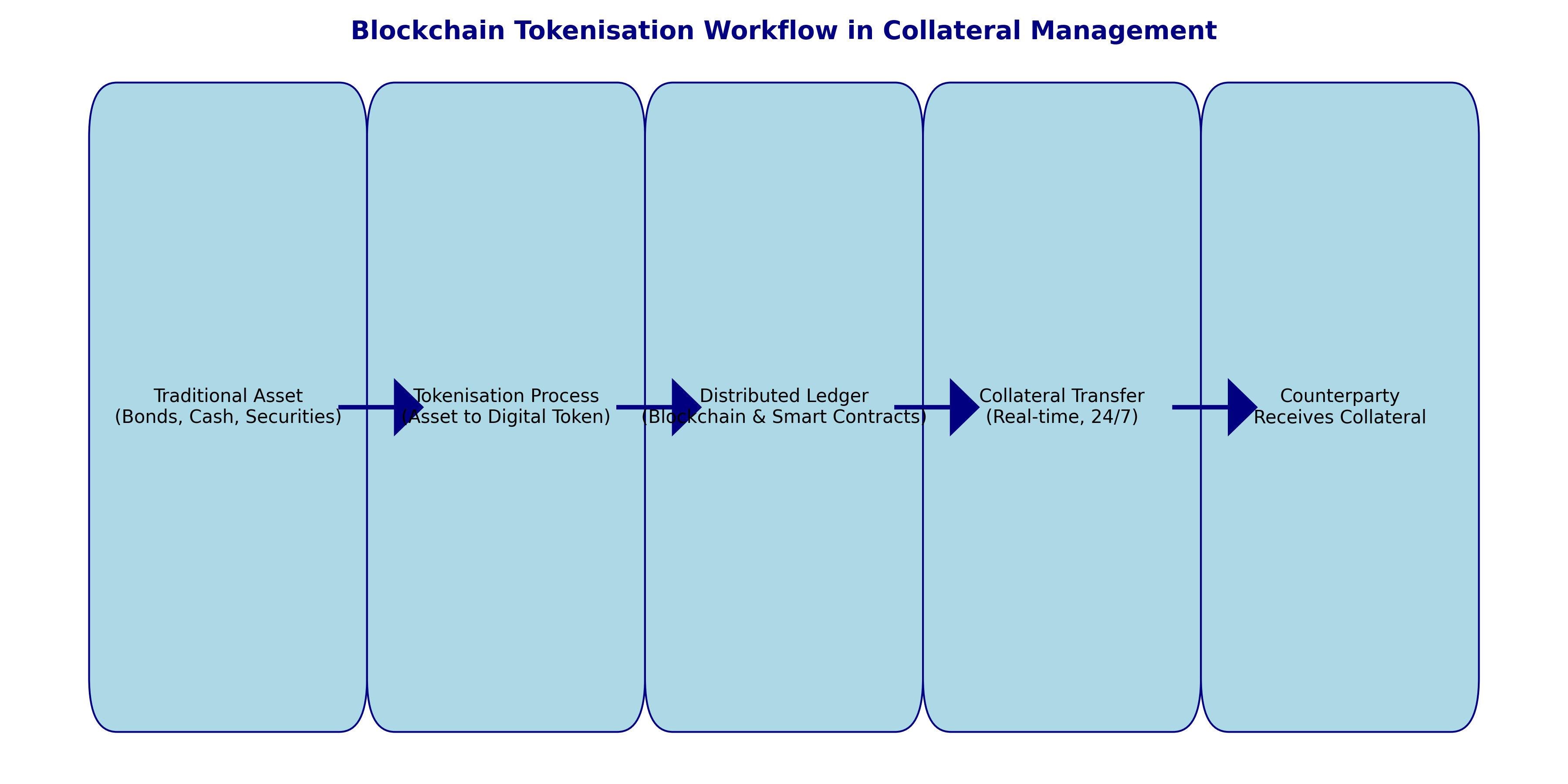
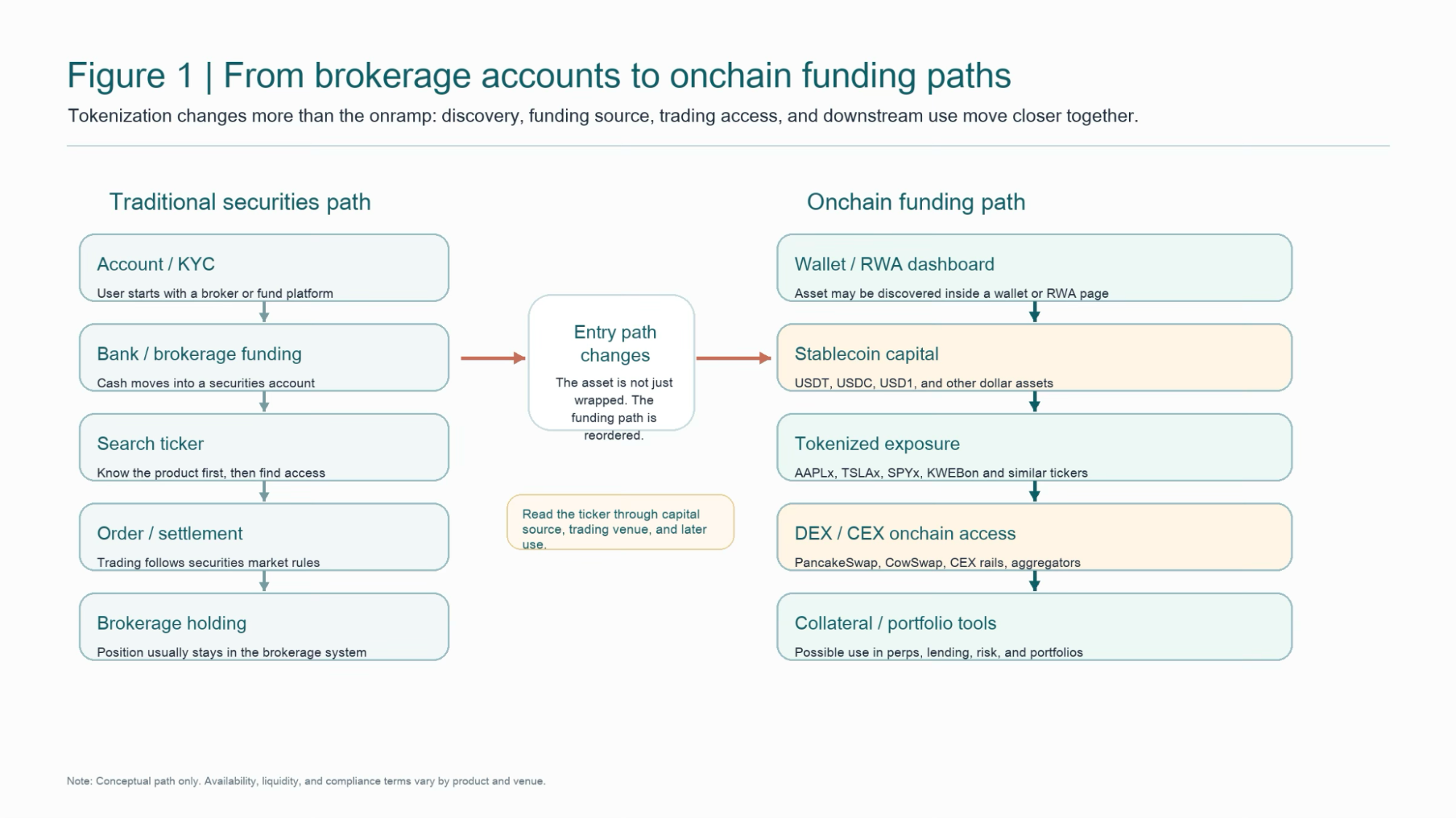
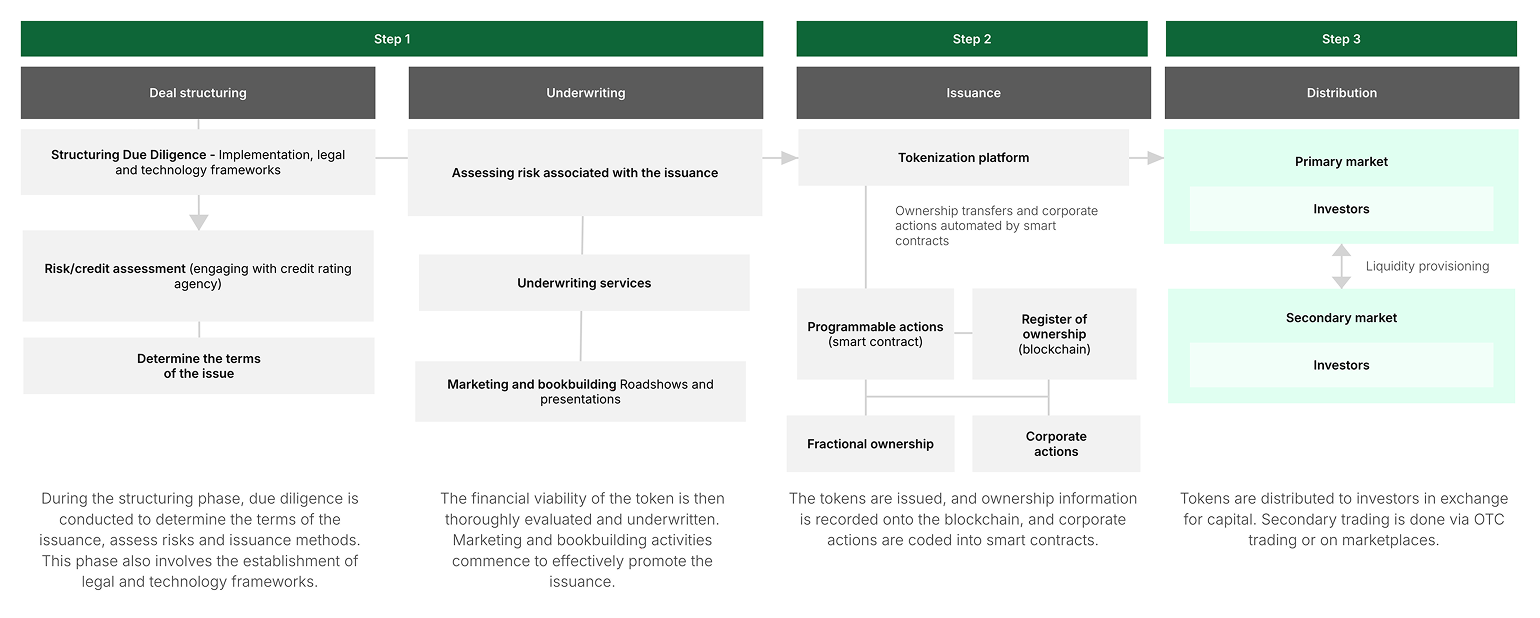
Once you've selected a venue, you need to understand the market dynamics. Tokenized climate derivatives are still a nascent asset class, and prices can be volatile. Use a provider-backed widget to track real-time prices. To analyze price trends and technical indicators, you can embed a chart directly into your workflow. Finally, ensure your institutional workflow is structured correctly before you begin trading. Understanding the step-by-step process of tokenization is crucial for compliance and operational efficiency.
Execute the tokenized trade
Completing a tokenized climate derivatives transaction requires precision. Unlike spot markets, these derivatives involve smart contracts that must validate underlying carbon credits against current regulatory standards before settlement. A single mismatch in compliance data can freeze assets or trigger regulatory flags.
Follow this sequence to execute the trade while maintaining a clear audit trail.
Before initiating any transaction, confirm that the underlying carbon credits meet current regulatory standards. Tokenization does not exempt the asset from environmental integrity requirements. Check that the credits are retired or held in compliance with the specific jurisdiction’s rules. If the underlying asset fails verification, the smart contract may reject the trade or flag it for manual review.

Access a platform that supports tokenized climate derivatives and adheres to regulatory reporting standards. Look for interfaces that integrate with recognized blockchain explorers for transparent transaction history. Ensure the platform provides real-time data on carbon credit vintage, location, and verification body. Avoid anonymous or unverified exchanges that lack clear audit trails.
Input the trade parameters: volume, price, and settlement date. Review the smart contract code or summary to ensure it matches your terms. Pay attention to gas fees and network congestion, which can affect execution timing. Once confirmed, the transaction is recorded on the blockchain, creating an immutable record of the trade.
After execution, verify that the trade is reported to the relevant regulatory body. Some jurisdictions require immediate reporting of derivatives trades. Ensure the settlement occurs according to the contract terms, whether through token transfer or fiat offset. Keep records of the transaction hash and compliance certificates for future audits.
Audit for double counting risks
Before tokenizing or trading climate derivatives, you must confirm that the underlying carbon credits meet current regulatory standards. The core risk in tokenized markets is double counting: the same emission reduction is claimed by multiple parties, invalidating the asset and triggering regulatory penalties.
To prevent this, follow this sequence:
- Verify retirement status: Check the registry to ensure the credit has not been previously retired or transferred.
- Confirm unique serial numbers: Ensure each token maps to a single, unique serial number in the originating registry.
- Cross-check registry records: Use official registry APIs to validate the current holder and status of the credit.
- Document the audit trail: Keep records of all verification steps for compliance reporting.
Use official registry APIs for real-time validation. This ensures the token represents a genuine, single claim on emission reductions. Avoid relying on secondary sources or unverified data feeds. Regulatory bodies are increasingly strict about double counting, and penalties can be severe. Always prioritize official verification over convenience.
By following this process, you protect your trading activities from regulatory scrutiny and maintain the integrity of the tokenized climate derivative market. This approach aligns with the latest standards for tokenized climate assets, ensuring compliance and minimizing risk.
Frequently asked: what to check next
How does the SEC view tokenized climate derivatives?
The Securities and Exchange Commission is actively evaluating tokenized securities. At the Asset Management Derivatives Forum 2026, SEC Commissioner Mark T. Uyeda signaled that tokenized trading could reach U.S. markets, provided it meets existing regulatory standards for transparency and investor protection. This suggests that climate derivatives tokenized on compliant blockchains may face fewer barriers than previously assumed, though full integration remains pending formal rulemaking. See Vitallaw analysis on SEC blockchain stance.
Why is 2026 considered a pivotal year for tokenized assets?
2026 marks the first credible year for tokenized real-world assets due to the convergence of three factors: MiCA enforcement across the EU, maturity of institutional-grade blockchain infrastructure, and the establishment of reliable on-chain settlement rails. For climate derivatives specifically, this means that carbon credits and green bonds can now be traded with greater legal certainty and operational efficiency than in prior years. Forbes reports on 2026 tokenization trends.
What infrastructure is required to trade tokenized climate derivatives?
Traders need a compliant brokerage or exchange that supports both traditional fiat on-ramps and blockchain-based settlement. The platform must integrate with existing climate data registries to verify the underlying environmental assets. Additionally, users must maintain a digital wallet compatible with the specific blockchain protocol used by the exchange (e.g., Ethereum, Polygon, or a private institutional chain). Without these three components—exchange access, data verification, and wallet compatibility—trading tokenized climate derivatives is not feasible.
No comments yet. Be the first to share your thoughts!