
Set up your digital wallet
To trade tokenized climate derivatives, you need a non-custodial wallet that supports the specific blockchain network where these assets live. Most tokenized carbon credits and climate derivatives operate on Ethereum-compatible chains (EVM) or specialized platforms like Polygon or Celo. Your wallet acts as your identity and vault; whoever controls the private keys controls the assets.
1. Choose a compatible wallet
Select a self-custody wallet that allows you to manage your own private keys. MetaMask is the industry standard for Ethereum-based tokens, while Trust Wallet or Rabby offer alternatives with varying interface preferences. Ensure the wallet allows you to add custom networks if the derivative platform uses a sidechain like Polygon.
2. Secure your seed phrase
During setup, the wallet generates a 12- or 24-word recovery phrase. Write this down on paper and store it in a secure, offline location. Never store it digitally, screenshot it, or share it with anyone. This phrase is the only way to recover your wallet if you lose access to your device.
3. Fund your wallet with native currency
You need the native cryptocurrency of the network to pay for transaction fees (gas). For Ethereum, you need ETH; for Polygon, you need MATIC. Purchase this from a regulated exchange and transfer it to your wallet address. Verify the receiving address carefully to avoid sending funds to the wrong network.
4. Connect to the trading platform
Navigate to the official platform for the tokenized climate derivatives you wish to trade. Use the "Connect Wallet" button to link your wallet. The platform will request permission to view your public address and request a signature. This signature does not transfer funds but proves you own the wallet.
5. Verify the contract address
Before interacting with any smart contract, verify the address on a block explorer like Etherscan. Cross-reference this address with the official documentation of the climate derivative platform. This step prevents you from interacting with fake contracts designed to drain your funds.
Choose a regulated exchange
Selecting the right platform is the first step in trading tokenized climate derivatives. You need a venue that combines regulatory compliance with sufficient liquidity. Without depth, your trades will suffer from slippage, eroding margins before the position is even settled. Focus on exchanges that are registered with financial authorities and support recognized carbon standards like Verra or Gold Standard.
Regulatory status is non-negotiable. Platforms operating under established financial frameworks provide the legal certainty required for institutional participation. They undergo regular audits, ensuring that the tokenized credits backing the derivatives are real, retired, and not double-counted. This transparency protects you from counterparty risk and ensures that your trades reflect actual market value rather than speculative fiction.
Liquidity determines how easily you can enter or exit positions. A platform with deep order books allows you to trade larger volumes without significantly moving the price. Look for exchanges that aggregate liquidity from multiple providers or have established partnerships with traditional carbon brokers. High trading volume also signals market confidence, which is essential for price discovery in this emerging asset class.
| Exchange Name | Regulatory Status | Supported Standards | Min. Daily Volume |
|---|---|---|---|
| Platform A | FCA Registered | Verra, Gold Standard | $500k+ |
| Platform B | MiCA Compliant | Verra, ACS | $200k+ |
| Platform C | SEC Exempt | Gold Standard, VCS | $100k+ |
Use the comparison table above to evaluate your options. Prioritize platforms with higher daily volumes and broader standard support. Avoid unregulated venues that promise high returns but lack audit trails. The integrity of tokenized climate derivatives depends entirely on the trustworthiness of the exchange you choose.
Verify credit authenticity
Before you trade tokenized climate derivatives, you must confirm the underlying asset is real. A token is only as valuable as the carbon reduction it represents. If the credit is double-counted, expired, or fabricated, the derivative has no intrinsic value.
This section walks you through the verification process using official registries and blockchain tools. Treat this as your primary audit gate.
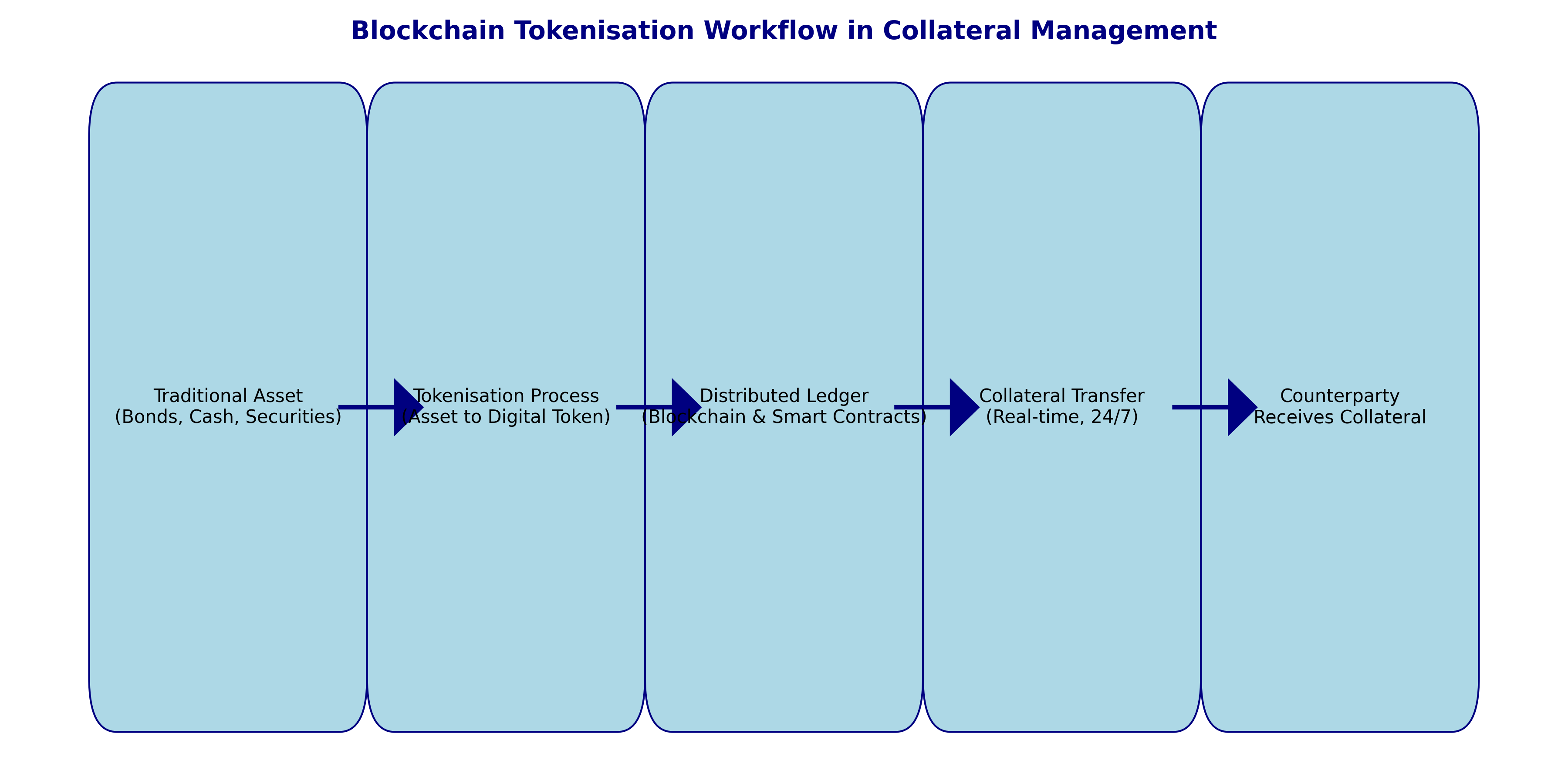
Locate the unique serial number or project ID on the token. Use the official registry’s public API or dashboard (e.g., Verra, Gold Standard) to look up this ID. Confirm the project is active and the credits have not been retired or canceled. If the registry shows no record, the token is likely invalid.

Use a blockchain explorer to trace the token’s history. Check the contract address against the official registry’s smart contract whitelist. Ensure the token was minted by the authorized entity and that the transfer history is clean. Look for any anomalies, such as sudden bulk transfers or contracts interacting with known mixer services.
Review the credit’s vintage year. Older vintages may have different market rules or lower demand. Check the project methodology to ensure the reduction was additional—meaning it wouldn’t have happened without the carbon finance. Avoid credits from projects with disputed additionality claims, as these carry higher reputational and regulatory risk.
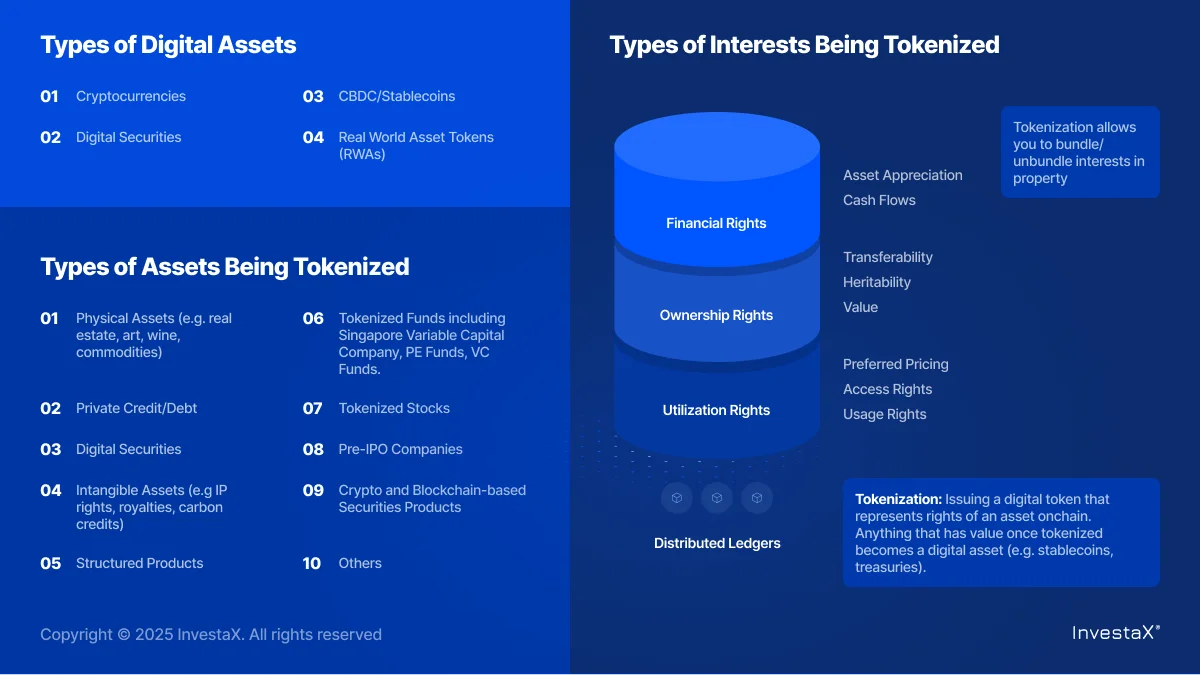
Ensure the credit has not been claimed by another party. In voluntary markets, double-counting is a major risk. Verify that the registry has not issued a duplicate serial number and that the token’s metadata matches the registry’s current status. If the registry shows the credit as "held" by another entity, do not proceed.
Skipping these steps leaves you exposed to fraud. Tokenized derivatives rely on the integrity of the underlying asset. Always cross-reference on-chain data with the official registry before executing a trade.
Execute the trade strategy
Trading tokenized climate derivatives requires moving from theoretical hedging to on-chain settlement. The process mirrors traditional futures trading but relies on smart contracts to automate verification and payout. You must select the correct instrument—whether a weather index token or a carbon credit future—and execute the trade through a compliant platform that supports the underlying asset's specific standard.
1. Select the derivative instrument
Identify the specific climate risk you need to hedge or trade. For weather derivatives, this involves choosing a location and a metric, such as heating degree days (HDD) or cooling degree days (CDD), based on historical data from sources like NOAA. For carbon derivatives, select the specific vintage and standard of the credit token, ensuring it meets the integrity requirements of the target market. Verify that the token is live and has sufficient liquidity before proceeding.
2. Connect a compatible wallet
Link a non-custodial wallet that supports the blockchain network hosting the derivative. This is typically an Ethereum-compatible chain or a specialized Layer 2 solution designed for real-world assets (RWA). Ensure your wallet holds the native gas token for transaction fees and any required margin collateral in the accepted stablecoin (e.g., USDC). Security is paramount; never connect to unverified dApps or share private keys.
3. Execute the trade via smart contract
Navigate to the trading interface of the platform and connect your wallet. Review the contract details, including the settlement date, the oracle provider that will verify the data, and the strike price. Confirm the transaction in your wallet. The smart contract will lock your funds or margin, creating a binding position. For example, platforms like KWeather use automated oracles to trigger payouts when weather data meets the predefined threshold, removing manual settlement delays.
4. Monitor position and settlement
Track your position through the platform’s dashboard. For weather derivatives, the oracle feeds real-time data to the blockchain. Once the settlement period ends, the oracle verifies the data against the agreed-upon index. If the condition is met, the smart contract automatically transfers the payout to your wallet. If not, the position expires worthless, and your collateral is returned or settled according to the contract terms.
5. Manage risk and exits
Climate derivatives can be volatile. Set stop-loss orders if the platform supports them, or manually close positions before settlement if market conditions shift. For carbon credits, monitor regulatory changes that could affect the validity of the underlying token. Always keep records of your on-chain transactions for tax and compliance reporting, as these are immutable public records.
Manage compliance risks
Tokenized climate derivatives sit at the intersection of traditional finance and emerging digital assets, creating a complex regulatory environment in 2026. Before executing trades, you must navigate jurisdictional variances, anti-money laundering (AML) protocols, and the specific legal status of tokenized carbon credits. Failure to align with these frameworks can result in frozen assets or regulatory penalties.
Verify jurisdictional status
Carbon markets are not globally uniform. The European Union’s MiCA regulation and the US Commodity Futures Trading Commission (CFTC) guidelines treat tokenized derivatives differently. Determine whether your tokenized credits qualify as securities, commodities, or utility tokens in your operating jurisdiction. This classification dictates your reporting obligations and counterparty requirements. For instance, tokenized carbon credits often enhance liquidity and transparency through improved price discovery, but their legal standing depends on local interpretation [src-serp-1].
Implement KYC/AML checks
Standard financial due diligence applies to blockchain-based trading. Ensure your platform or counterparty integrates robust Know Your Customer (KYC) and AML screening. This prevents your portfolio from being tainted by illicit funds or sanctioned entities. In 2026, regulators expect real-time transaction monitoring for high-value climate derivatives.
Confirm credit vintage and integrity
Compliance isn't just about the trader; it's about the underlying asset. Verify the vintage year and additionality of the carbon credits backing your derivative. Outdated or fraudulent credits can void contracts and trigger legal disputes. Use verified registries to confirm that the token represents a genuine, verified emission reduction [src-serp-6].
-
Confirm KYC/AML status with trading counterparty
-
Verify regulatory jurisdiction for tokenized derivatives
-
Check carbon credit vintage and registry integrity
No comments yet. Be the first to share your thoughts!